A Body to Live In: The Intimate Portrait of Fakir Musafar, A Queer Body Art Pioneer
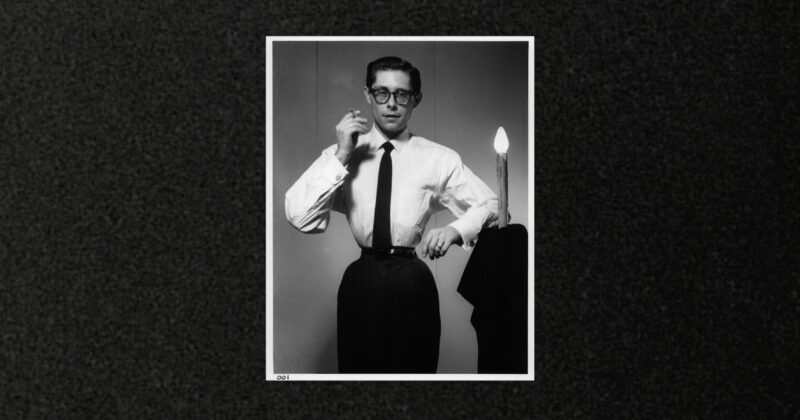
The Radical Beauty of Fakir Musafar
Fakir Musafar stands as an extraordinary figure in the world of queer body modification and performance art, though his name may still be unfamiliar to many outside underground and LGBTQ+ art circles. Exploring the limits of human endurance and celebrating bodily autonomy, Musafar—born Roland Loomis—forged a legacy that forever changed the perception of transgressive body art.
Modern Primitives and the Birth of a Subculture
From his earliest experiments in the mid-20th century, Musafar broke taboos by pushing his body—and those of collaborators—to extremes. His pioneering work with piercings, flesh suspension, and ritualistic skin manipulation led to the birth of the Modern Primitives movement. This subculture celebrated practices that balanced ritual, spirituality, and self-expression: bodies became living canvases where knives, hooks, and jewelry blurred the line between pain and transcendence. What the mainstream once dismissed as mere self-harm or shock value, insiders now recognize as a deeply intentional form of queer art and personal empowerment.
Inside A Body to Live In: A Documentary with Rare Sensitivity
A Body to Live In, directed by trans filmmaker Angelo Madsen, brings Musafar’s story into sharp focus—not with sensationalism, but with warmth and nuance. Through a mesmerizing mix of archival footage, firsthand interviews, and testimonials from friends and followers, the film shows how Musafar chose radical openness over secrecy. He appeared on talk shows and in magazines to de-stigmatize extreme body modification and advocate for the dignity of his community. By today’s standards, his openness feels strikingly modern—an ongoing fight for bodily autonomy that still resonates in queer and marginalized circles.
The Tightrope of Influence and Controversy
Musafar’s artistic journey was not without conflict. The documentary explores how some of his methods—and even his adopted name—were later understood as instances of cultural appropriation. In the early 1990s, Indigenous groups publicly objected to non-Native people performing sacred body rituals tied to their cultures. Rather than dismiss these criticisms, Musafar adapted and demonstrated a willingness to listen, reflecting the ongoing evolution of queer and performer communities toward greater cultural sensitivity.
Breaking Stereotypes Around BDSM and Queer Bodies
The most profound aspect of Musafar’s legacy is the dignity and self-determination he championed for those practicing body modification, BDSM, and other forms of bodily expression. What outsiders saw as taboo, Musafar reframed as essential: each piercing, each ritual, became a declaration of control over his own body. In a world still wrestling with stigma around non-normative sexuality and appearance, his art feels not just historical, but urgent and necessary for conversations about consent, freedom, and queer visibility.
Where to Discover A Body to Live In
The documentary A Body to Live In is screening in select cities across North America, offering an uncensored and elegantly crafted window into queer history and outsider art. For viewers seeking deeper context, curated archives, or further reading, newsletters and digital platforms dedicated to transgressive performance and body autonomy now provide rare behind-the-scenes material and critical perspectives.
Fakir Musafar’s journey is a stark reminder that art and identity can be forged in the fires of pain, ritual, and relentless self-exploration. His work continues to inspire new generations of artists, activists, and anyone pushing against the boundaries of what bodies—and minds—can become.