The West Wing: A Benchmark for Political Dramas
There’s a reason The West Wing continues to sit at the pinnacle of political drama discussions. Even as the real world has shifted and the nature of television storytelling has redefined itself, Aaron Sorkin’s creation stands firm thanks to its lightning-fast dialogue, peerless ensemble cast, and a vision of government as noble, flawed, and deeply human. President Jed Bartlet (Martin Sheen) and his dedicated White House team became pop culture icons, their verbal sparring and morality plays echoing through TV history—and still captivating new audiences on modern streaming platforms.
Why Sorkin’s Dialogue Still Reigns Supreme
Let’s get straight to the heart of it: Sorkin’s writing is an event in itself. Every conversation feels meticulously crafted yet organic, as if the characters are jazz musicians riffing off deeply held beliefs and frustrations. Lines delivered by Sheen, Allison Janney, Rob Lowe, and Bradley Whitford still ring out as some of the sharpest television dialogue ever penned. If dialogue writing were an Olympic sport, Sorkin would be on the podium every time.
A Dream Team Cast That Still Shines
Few shows launch so many lasting careers. From Sheen’s magnetic presidential gravitas to Richard Schiff’s world-weary gravitas as Toby Ziegler and Allison Janney’s comedic timing as C.J. Cregg, the cast is as vital as the script. Many moved on to stellar film and TV projects—proof that lightning struck again and again within those West Wing halls. Revisiting early seasons now, you’ll spot the origins of numerous powerhouse performances that continue to influence scripted drama.
The Romantic Subplots: Mixed Legacy
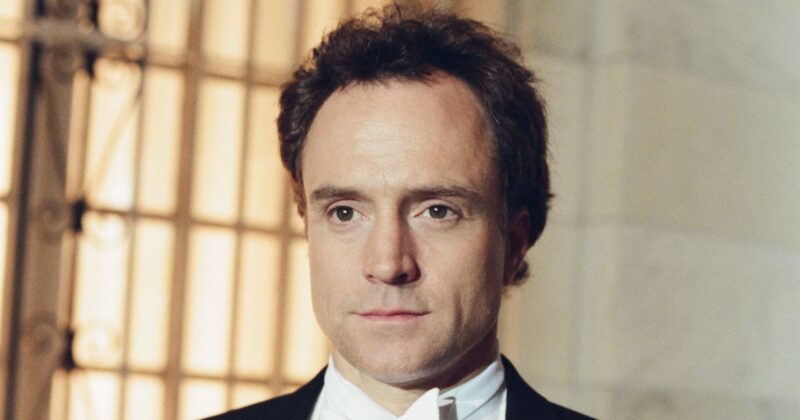
Amid political brinkmanship and policy soliloquies, not every story thread has aged gracefully. The classic will-they-won’t-they romance between Josh (Bradley Whitford) and Donna (Janel Moloney) reflects tropes that modern viewers may find tired—though it’s worth noting that emotional arcs like theirs set the pace for future ensemble TV shows, from The Office to Succession.
Idealism vs. Today’s Political Landscape
More than nostalgia, The West Wing offers a snapshot of American optimism from a very different era. The show is built on the belief that public service and political institutions can be forces for good. Even then, critics called out its sentimental take on the realities of D.C., and today that optimism looks even more fantastical in the face of hyper-polarization and legislative gridlock. Watching Bartlet’s team agonize over ethics and compromise provides viewers with both a window into past ideals and a bittersweet sense of what could be.
Outpaced by Reality, but Gaining Historical Value
It was inevitable that a series so tied to political realities would feel dated as the world changed. The West Wing debuted during a period straddling the Clinton and Bush administrations, but American politics has since evolved at a speed no series could fully anticipate. The White House depicted by Sorkin has become an almost-legendary vision—one that now serves as a time capsule rather than a mirror. Each episode feels reminiscent of classic Hollywood films or even stage plays, where the artifice and ideals are as important as the realism.
How To Watch The West Wing In The Streaming Era
The continued popularity of The West Wing owes much to its easy accessibility on digital platforms. For first-timers and seasoned fans alike, streaming has brought a new wave of viewers eager to experience what TV’s definitive political drama still has to say about hope and leadership. Its cultural DNA can be felt in current television, from the structure of Netflix’s House of Cards to the tone of Apple TV+’s The Morning Show.
Lessons From The West Wing’s Legacy
Is The West Wing still the definitive blueprint for smart, ethical, and emotionally rich political TV? In some ways, absolutely. Its epochs have passed and its politics feel vintage, but its core—the belief in ideas, in debate, and in dedicated service—remains potent. To watch it is to remember a moment when network television dared to imagine better angels in the corridors of power, and to see the roots of the TV dramas that followed.