Mindhunter: The Audacious Netflix Detective Series With No Bad Episodes

Why Mindhunter Remains a Benchmark For Detective Series
Few filmmakers hold the kind of cinematic gravity in popular culture as David Fincher. Known for masterpieces spanning from Fight Club to Gone Girl, Fincher has left a distinctive mark on every project he touches. When he brought his trademark precision to the detective genre with Mindhunter, expectations were sky-high. The result? A two-part powerhouse crime drama on Netflix that delivers a perfect track record: not a single subpar episode across its run.
The Unwavering Quality of Mindhunter
Mindhunter defies the typical struggles of detective TV. While many acclaimed series occasionally slip—succumbing to filler, forced subplots, or a diluted tone—Fincher’s vision is relentless in its precision. The show follows FBI agent Holden Ford (Jonathan Groff), whose curiosity for criminal psychology leads him to pioneer the infamous Behavioral Science Unit. Alongside Bill Tench (Holt McCallany) and psychologist Wendy Carr (Anna Torv), Ford delves into the minds of America’s most notorious serial killers, not through sensationalist violence but through chilling, measured interviews.
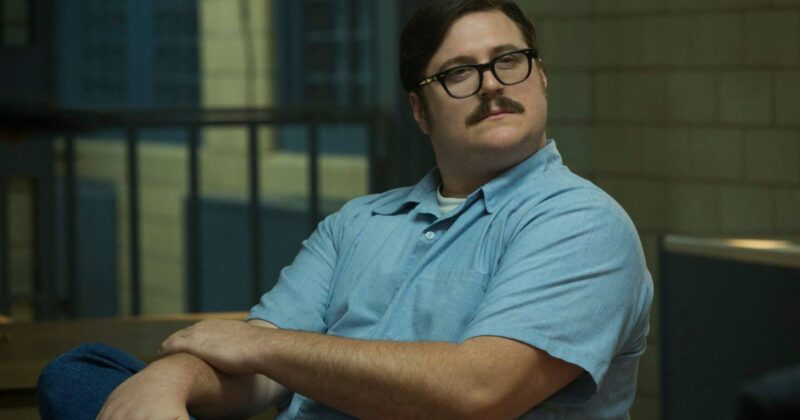
What sets Mindhunter apart is its refusal to sensationalize real-world horror. The conversations between agents and killers pulsate with an understated menace, anchored by razor-sharp dialogue and subtle character arcs. Even quieter episodes avoid feeling like filler; instead, they ratchet up psychological tension and invest in the complex bonds that hold the FBI team together.
The Fincher Effect: Cinematic Elegance on the Small Screen
David Fincher’s fingerprints are all over Mindhunter. The muted color palettes, deliberate camera work, and suffocating attention to detail heighten every scene—even the simplest prison table discussion feels loaded with hidden peril. His approach to violence—focusing on what’s discussed more than what’s shown—infuses the series with a rare, documentary-style authenticity.
Unlike high-effects shows such as Stranger Things or The Witcher, Mindhunter builds its world upon period detail and psychological realism. From wardrobe to painstaking set design, everything is crafted to immerse without distraction. This is a show more akin to a 19-hour Fincher film than a standard episodic drama.
The High Price of Perfection
Such polish comes with a price. Despite not relying on elaborate visual effects, Mindhunter reportedly cost between $8–$10 million per episode—a testament to the intensity of Fincher’s production methods and the value placed on period authenticity. From multiple takes to meticulous post-production, each detail was carefully orchestrated. This ambition contributed directly to the uncertainty over a much-demanded third season, as budgets and viewing numbers collided behind the scenes.
Fincher himself has openly discussed the production’s delicate balancing act. The drive to maintain the show’s unique, uncommercial vision clashed with the platform’s need for broader appeal and cost control. As a result, Mindhunter remains a rare example in streaming television: a prestige series that never compromises its standard.
A True Standout in Streaming Crime Drama
Mindhunter’s two-season arc avoids overextension, giving each narrative beat purpose and deliberate pacing. The showrunner’s cinematic philosophy ensures that every episode functions as both a standalone masterwork and a cohesive part of a genre-defining whole. For anyone seeking an uncompromising, technically masterful detective series that explores the shadows of the human mind, Mindhunter stands as a modern classic—one that challenges both its characters and its viewers to look deeper.