What Modern Horror Can Learn from the Ever-Evolving Evil Dead Saga

The Evolution That Keeps Evil Dead At The Top
The horror landscape has surged and shifted, yet few franchises have displayed the lasting ingenuity and audience connection of Evil Dead. Spanning films, TV shows, video games, and comics, this series began as a low-budget cabin-in-the-woods shocker and has become a benchmark for adaptability and fearless reinvention. Its unique journey offers practical lessons for anyone creating or following horror—on screen, in interactive media, or across storytelling formats.
How Evil Dead Mastered Reinvention
Originally an intense, relentless barrage of supernatural horror, Sam Raimi’s Evil Dead stood out through raw energy and a savage imagination. By the sequel, Evil Dead II, the formula warped intriguingly: still gory but injected with slapstick, manic humor, and a signature wild tone. This bold blend crested in Army of Darkness, morphing the franchise into a medieval, dimension-hopping action-horror-comedy, with Ash Williams (Bruce Campbell) as an unlikely cult hero.
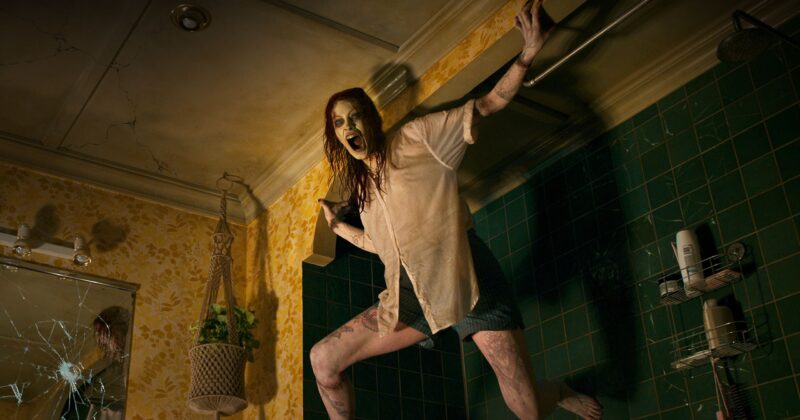
Years later, Evil Dead hit the reset button without losing its edge. The 2013 remake amplified the brutality and focused on a new protagonist, Mia, showing that the franchise could hand off the chainsaw yet still possess creativity and dread in spades. Its most recent entry, Evil Dead Rise, cranked up claustrophobia, gore, and dark humor, swapping forests for a high-rise and deepening the franchise’s mythology with new characters and family stakes.
Breaking And Rebuilding Franchise Rules
Evil Dead’s ability to shift tones and protagonists while expanding its universe is what modern horror often lacks. Rather than clinging to a single formula, it dares to surprise its audience with smart risk-taking. Whether leaning into horror-comedy or buckling down on unflinching terror, each new chapter pushes the limits. That includes changing core characters: iconic Ash gives way to survivors like Mia, Beth, or even young Kassie, ensuring fresh perspectives and emotional stakes with each movie.
This willingness to take narrative leaps and adjust the horror dial is why the series remains perennially relevant. It embraces horror fans’ appetite for both innovation and nostalgia, creating a sense of constant threat—no character, location, or style is ever off-limits to change.
Taking Risks That Rivals Can’t
Few horror franchises plan sequels before testing new installments at the box office. Evil Dead, thanks to its consistency and relentless creativity, has made that gamble feel strategic rather than reckless. Upcoming entries, including Evil Dead Burn and Evil Dead Wrath, are already stacking anticipation, with confirmed directors like Sébastien Vanicek and Francis Galluppi attached and a fresh cast ready to reinvent terror once more.
Contrast this with other major franchises that have stumbled—like the planned but scrapped new trilogy of The Exorcist. Evil Dead’s calculated evolution shows the value of respecting the audience and the genre: it learns, adapts, and never forgets to thrill.
Is Ash Ever Gone For Good?
Speculation around Ash’s return persists—especially with hints from Bruce Campbell and Sam Raimi about working on an “Evil Dead bible” to chart the series’ future. The franchise’s openness to both legacy and novelty, as seen in the willingness to recast leads or shift genres, means Ash’s fate is never fully sealed. Fans continue to debate whether another chainsaw-swinging, wisecracking comeback will materialize, but what’s certain is that Evil Dead remains one of the few horror forces confident enough to mix legacy with bold transformation.
For all creators in the horror realm—cinematic, interactive, or serialized—this is a guidebook on how to embrace change without losing the soul of the story. The only constant with Evil Dead is that it will always find a new way to surprise and unnerve, regardless of where its demons next appear.