Resident Evil Requiem: Which Camera Perspective Truly Elevates the Experience?

Resident Evil Requiem: The Ultimate Perspective Debate
The ninth chapter of the legendary survival horror franchise arrives with something fans have never experienced before: complete freedom to alternate between first-person and third-person gameplay, all within a mainline entry. As you dive into the chaos with Grace and Leon, Resident Evil Requiem throws a genuinely impactful player choice front and center. Which perspective brings out the best in this chilling saga?
Capcom’s Intended Vision vs. Player Preference
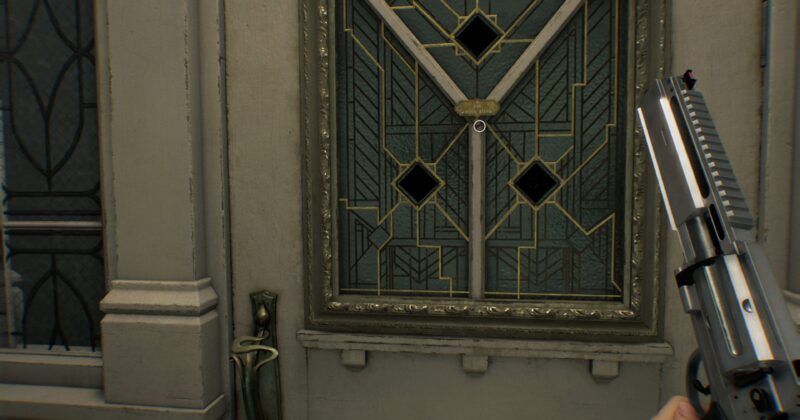
By default, Resident Evil Requiem presents two very different experiences aligned with each protagonist. Grace takes on the horrors of the outbreak from a first-person viewpoint, maximizing the game’s tension and claustrophobic fear. For Leon, Capcom opts for a third-person camera. As an experienced agent, his broader awareness is fittingly reflected with a wider view, recalling the franchise’s classic angle.
These choices aren’t arbitrary; there’s purposeful design logic here. Playing as Grace, you’re exposed to increased vulnerability and suspense, rarely sure what’s lurking just out of sight. Leon’s sections, in contrast, bestow a sense of control and tactical oversight. Many fans may instinctively trust the developer’s original approach, and it’s worth experiencing the campaign first as Capcom set it—at least for that crucial first playthrough.
The Freedom to Experiment
Resident Evil Requiem sets itself apart in another critical way: flexible camera switching. You’re never locked in; you can alternate between first and third person at any point from the options menu. This applies to both Grace and Leon. Even better, doing so carries absolutely no penalty—no voided trophies, missed challenges, or hidden clauses. You are empowered to craft your personal horror experience, a rarity even among modern remakes and reimaginings.
Third-Person Perspective: Tactical Advantage and Classic Feel
Feeling overwhelmed during Grace’s most intense sequences? Third-person view dramatically improves your spatial awareness, letting you see threats approaching from behind or the sides—a nod to the heritage of previous Resident Evil titles. Especially for players used to the ink ribbon save mechanic, where a surprise mistake can mean significant setbacks, third-person transforms Grace from a near-defenseless survivor into a more formidable force. That extra coverage can be the difference between life and death in the shadowy, detail-rich environments of Requiem.
First-Person for Fear, Third-Person for Awareness
The brilliance of this system lies in how it respects your playstyle. First-person isn’t just a gimmick—it dials up immersion, forcing you into Grace’s shoes and making every sound and shadow feel immediate. But with no VR dependency, as seen in earlier series entries, you lose none of the narrative depth or essential plot beats by switching. This opens the doors wide for experimentation.
Veteran fans might find added replay value by swapping perspectives on subsequent runs. The recommended mix: use Capcom’s approach for your first journey. Then, experiment—perhaps running Grace exclusively in third-person the next time to see how that shift alters both the fear factor and your tactical options.
A New Benchmark for Survival Horror Accessibility
That seamless, player-driven flexibility reflects how meticulously crafted Resident Evil Requiem is. With no right or wrong way to endure the nightmare, it marks a clear evolution for the series—and sets a new standard for accessibility and custom-tailored tension in survival horror. As new waves of players discover both the dread and the empowerment of shifting perspectives, this innovation may well influence a generation of horror games to come.