How Netflix’s New Sea Monster Series Could Transform the Horror Genre
An Ambitious New Wave in Monster Horror on Netflix
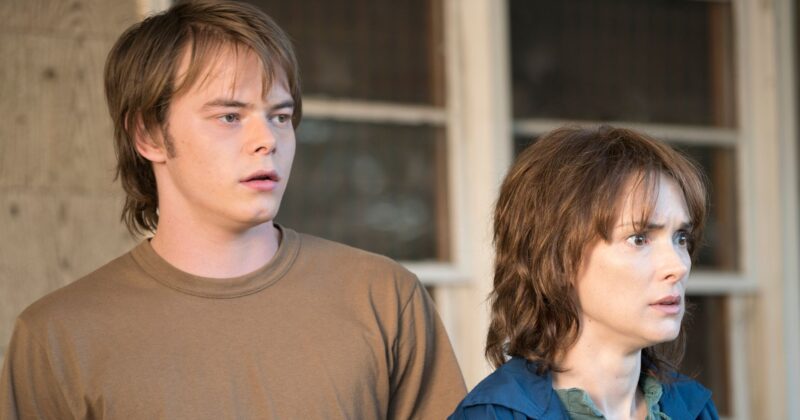
Charlie Heaton, best known for his layered portrayal of Jonathan Byers in Stranger Things, steps into a fresh yet ominous territory: an untitled limited series set off the rugged coast of Newfoundland. As genre fans look for the next big creature feature, this Netflix project is sparking intrigue not just for its premise, but for a cast and creative team with true genre pedigree.
A Cast With Proven Genre Depth
Heaton’s transformation from outsider to emotionally complex anchor was a highlight of his previous work, and now, he’s joined by Josh Hartnett—who returns not just as a star, but as executive producer. Hartnett’s recent performances have demonstrated a knack for conflicted characters with surprising depths, while Mackenzie Davis, renowned for Black Mirror, further elevates the show’s potential to pack character-driven punch into tightly crafted episodes.
Reimagining the Sea Monster Mythos
Where many monster series sink, this one may swim: the story is centered around a coastal community beset by a terror from the deep, echoing classic maritime myths but with a distinctly modern, psychological twist. Writer Jesse McKeown, whose previous work on The Umbrella Academy is noted for balancing high-stakes worldbuilding with intimate drama, is bringing a fresh vision to the table. Netflix’s content directors for Canada describe the approach as ‘thrills galore, with the heart of a family drama,’ promising more than just tentacle-waving spectacle.
Why Sea Monster Horror Has Sputtered—And What Can Change Now
The sea monster subgenre is haunted by the shadow of Jaws. Its legacy looms so large that countless successors end up as shark facsimiles, relying on clumsy CGI carnage and neglecting what actually made Spielberg’s film terrifying: real character stakes and tension. So often, these movies focus on showcasing the creature, not the cost to the people involved. As a result, the monster becomes forgettable the moment the spectacle ends.
Some recent efforts, such as the chilling ‘Bad Traveling’ episode of Love, Death + Robots, have cracked the code by infusing monster encounters with emotional and ethical tangles. But the misses often outnumber the hits, including shows that prioritize monster mythology over interpersonal struggle, leaving viewers cold despite creature effects or chilling lore.
What Sets the Newfoundland Project Apart
This series flips the script by committing to character-first horror: the threat beneath the waves matters, but never more than the people above. With only six episodes in store, there’s little room for filler—each installment demands sharp emotional focus and smart worldbuilding. If Hartnett’s and Heaton’s past successes are any indicator, expect tension not only from what lurks offshore, but in the moral gray zones between the protagonists themselves.
Mackenzie Davis, who brought depth to her Black Mirror character in a single hour, shines as proof that a well-written cast can hook viewers swiftly, even in horror’s tightest frameworks. The producers seem poised to avoid the trappings of repetitive monster fare, steering toward a story where resilience and community dynamics are every bit as gripping as the threat tearing at the nets.
A Resource for Fans and Genre Observers
For enthusiasts craving more than monsters for monster’s sake, this new series offers a tantalizing prospect: can its nuanced performances, ethical stakes, and tight pacing breathe new life into a genre long dominated by spectacle? Netflix is betting on it. Given the show’s pedigree and pitch, genre fans should watch closely as Newfoundland’s stormy coasts bring the sea monster mythos up to speed for today’s TV landscape.