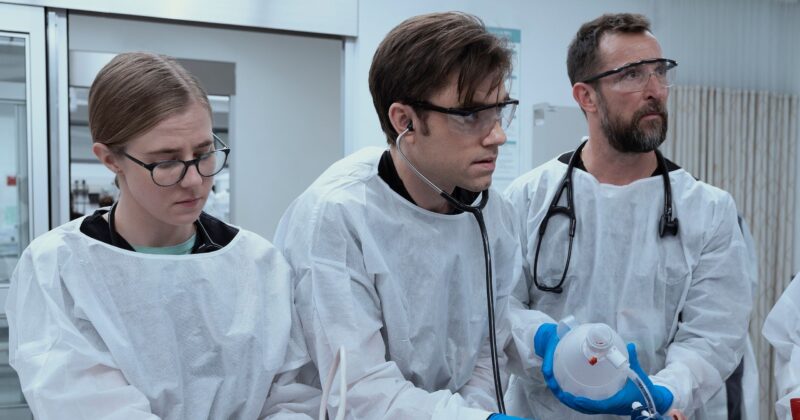
Margarita Burn: Fiction Meets Medical Fact in The Pitt
When medical dramas aim for realism, few dare dive as deep—or as unexpectedly weird—as The Pitt did with its now-famous ‘Margarita Burn’ case. In an episode packed with chaos from a Fourth of July hospital shift, one patient’s wild symptoms captured both the ER doctors—and viewers—by surprise: angry, blistering burns popping up after a day spent making margaritas under the blazing sun.
What Exactly Is Margarita Burn?
Far from a scriptwriter’s invention, the so-called Margarita Burn has genuine medical roots. Officially known as phytophotodermatitis, and sometimes dubbed Lime Burn or Lime Dermatitis, this skin reaction is a textbook example of truth being stranger than fiction. The culprit? A deceptively simple combination of lime juice and sunlight. Certain chemicals in limes (and other citrus fruits) can make skin hypersensitive to sunlight, leading to delayed but dramatic burns once UV rays hit.
On the show, the doctors—originally mystified by the patient’s condition—piece everything together when it’s revealed he spent hours prepping margaritas outside. This moment serves as a showcase for how quick thinking and sharp questioning can still trump even the wildest symptom charts in emergency medicine.
Medical Accuracy on TV: Hits and Misses
The Pitt has developed a reputation for its commitment to authenticity, with talented consultants and aggressive research underpinning the ER’s every dramatic twist. Yet even the most thorough shows need to bend the rules for TV pacing. In the real world, phytophotodermatitis typically surfaces 24-48 hours after exposure, not within a single wild afternoon. And while the show’s character complained of itchy blisters, real-life patients speak more often of pain rather than itch as burns form.
The Science Behind Margarita Burn
The chemistry is surprisingly simple: lime juice contains furocoumarins, photoreactive compounds also found in celery and parsley. When these react with UVA rays, they trigger inflammation, blisters, and hyperpigmentation. Practical tip: Always wash citrus juice off your skin before heading into the sun, and when in doubt, a quality sunscreen can offer an extra layer of defense after treatment.
This quirky condition isn’t just a pop culture oddity. Phytophotodermatitis sees real-world spikes every summer, particularly at beach parties or backyard BBQs—where cocktail making often goes hand-in-hand with sun exposure. Medical professionals are quick to point out: knowing the story behind the symptoms often saves both time and skin.
A Win for Medical Drama Enthusiasts—and For Viewers
Bringing lesser-known medical phenomena to prime time is part of what has helped The Pitt carve a niche among procedural fans. The show’s handling of the Margarita Burn may speed up the timeline and tweak a detail or two, but it nails the essentials: sometimes real life—all citrus spills aside—can be stranger and more informative than fiction.