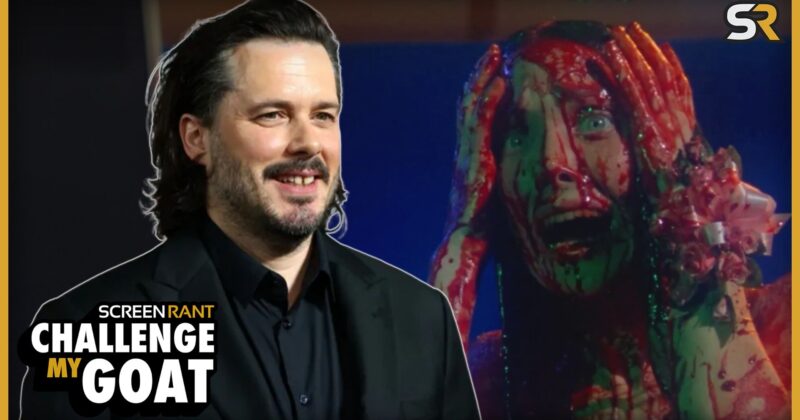
Why ‘Carrie’ Endures as the Definitive Stephen King Film Adaptation – A Deep Dive

The Stephen King Cinematic Legacy: Over a Hundred Adaptations and Counting
It’s a rare author whose stories have been brought to life over a hundred times across five decades. Yet, Stephen King stands at the apex of horror and suspense, creating tales that morph seamlessly from page to screen. Among the vast landscape of adaptations—from psychological thrillers to supernatural epics—one film continues to spark debate among filmmakers and cinephiles: Brian De Palma’s ‘Carrie’.
Edgar Wright Champions ‘Carrie’ as the Apex of King Adaptions
When the creative mind behind films like Shaun of the Dead and Baby Driver, Edgar Wright, steps up to defend his pick for the greatest Stephen King film ever made, it’s worth hearing his case. For Wright, Hollywood did not need trial and error to bring King’s world to the big screen. In his eyes, De Palma’s take on ‘Carrie’ nailed it on the first try, blending gut-wrenching horror with a coming-of-age journey, all while building empathy for a protagonist who is both hero and monster.
What Makes ‘Carrie’ Transcend Simple Horror?
‘Carrie’ emerged as the first adaptation of King’s work, and it set a template for emotional depth rarely matched in the genre. With Sissy Spacek’s haunting portrayal of Carrie White, and Piper Laurie as her zealously oppressive mother, every character pulses with authenticity. The film’s critical and commercial success vaulted its cast and creative team into the Hollywood spotlight, despite seemingly modest box office receipts by today’s standards.
Wright highlights how the film’s power lies in the audience’s connection to Carrie—a bullied teenager struggling with her place in the world and unfamiliar changes in her own body, all intensified by her emerging telekinetic powers. Carrie’s story unfolds with such detail and emotional honesty that viewers simultaneously fear for her and root for her vengeance.
That Iconic Prom Scene: Suspense and Emotional Complexity
The prom sequence, iconic in the canon of horror cinema, encapsulates De Palma’s directorial genius. William Katt brings tenderness to the role of Tommy Ross, whose invitation to the prom feels genuine—even as the audience braces for inevitable tragedy. According to Wright, it’s this balance of sweetness and impending doom that makes the devastating finale so effective. De Palma’s technical flourishes—split-screen editing, practical effects, and Pino Donaggio’s unforgettable score—transform the climax into an operatic outburst of catharsis and chaos.
‘Carrie’ as an Awards Trailblazer for Horror
‘Carrie’ wasn’t just a genre success; it broke new ground at the industry’s highest levels. Long before recent horror hits began earning Oscar buzz, Spacek and Laurie scored Academy Award nominations. Critics’ circles and audiences alike have kept the film in high regard, with a modern approval rating cementing its status as a certified classic. Filmmakers from Quentin Tarantino to Rob Reiner hold ‘Carrie’ in high esteem, proving its impact extends across generations of storytellers.
The Competition: Other Stephen King Masterpieces
Of course, King’s bibliography has inspired many celebrated adaptations. The Shawshank Redemption, The Shining, Misery, and Stand By Me have all staked enduring claims for King’s legacy at the crossroads of film and literature. Yet, Wright remains firm that ‘Carrie’ towers above for its powerful blend of emotional storytelling and genre innovation—a benchmark for what a King adaptation can truly achieve.