Why HBO’s ‘Chernobyl’ Is a Modern TV Masterpiece You Can’t Miss

The Unmistakable Power of ‘Chernobyl’ on HBO
When it comes to prestige television, HBO remains the gold standard. After reshaping the TV landscape with titanic series like The Sopranos, The Wire, and Succession, the network also proved its ability to deliver high-impact, limited-run dramas that leave a mark on pop culture and viewers alike. ‘Chernobyl’ stands out as one of HBO’s boldest achievements—a five-part miniseries that dives deep into one of humanity’s darkest technological disasters.
Reconstructing a Catastrophe: Layered Storytelling
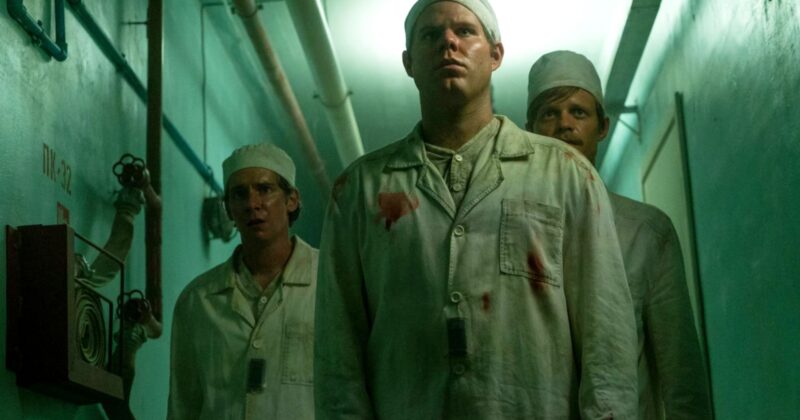
Rather than retelling the Chernobyl nuclear disaster as a flat historical docudrama, ‘Chernobyl’ brings the event to life through riveting perspectives: from those who unwittingly set the meltdown in motion, to the frontline workers risking their lives to contain its aftermath, to powerful Soviet officials looking to rewrite history. This narrative complexity means viewers gain a rare, panoramic sense of the crisis—its causes, the chaos in the moment, and the haunting legacy that followed. The script, spearheaded by Craig Mazin, is careful, unflinching, and never sensationalist.
A Cast that Nails Every Note
What truly elevates ‘Chernobyl’ are its haunting, human performances. Jared Harris leads as Valery Legasov, a scientist at the decision nexus of disaster response, delivering a portrayal filled with urgency and vulnerability. He is joined by a stellar cast: Stellan Skarsgård as the Soviet politician Boris Shcherbina, Emily Watson as scientist Ulana Khomyuk, and compelling contributions from Jessie Buckley and Barry Keoghan. Every actor grounds the drama in a reality that refuses to let viewers look away.
Cultural, Political, and Technological Resonance
‘Chernobyl’ is more than historical retelling. It interrogates the dangers of systemic denial, the tension between science and politics, and the high-stakes cost of secrecy in technology management. Surprisingly relevant even in the digital age, where misinformation and institutional cover-ups remain global issues, the series resonates with currents running through modern discussions about energy, technology, and truth.
Technical Mastery: Direction, Score, and Cinematography
Johan Renck, the series director, crafts each episode with a tension that lingers in every shadow and echoing corridor. The sound design and Hildur Guðnadóttir’s Emmy-winning score inject a feeling of unease and awe, building an atmosphere as chilling as the radioactive cloud itself. The cinematography conjures both the oppressive bureaucracy of the era and the apocalyptic awe of the disaster, underscoring how even the most routine moments can spiral into horror.
Why It’s the Ultimate Weekend Binge
Running through just five meticulous, hour-long episodes, ‘Chernobyl’ is built for an uninterrupted, immersive viewing experience. The pacing invites — or rather, compels — you to follow the unraveling threads in one sitting. The emotional impact intensifies when watched consecutively, leaving a gut-punch that remains long after the credits roll. Now that all episodes are accessible on HBO Max, this is a rare opportunity to marathon an entire cultural phenomenon in a single night.
Accolades, Ratings, and the Legacy of ‘Chernobyl’
With Rotten Tomatoes scores soaring at 95% from critics and a staggering 97% from audiences, the global acclaim of ‘Chernobyl’ is undeniable. It stands as a reference for historical drama and as a blueprint for how limited series can have a lasting impact. Its success has even influenced HBO’s more recent hits, such as The Last of Us, co-created by Craig Mazin, proving that the miniseries format can deliver experiences just as powerful as any long-running saga.
‘Chernobyl’ is not only one of the most remarkable series in HBO’s illustrious catalog, but a benchmark for storytelling that merges the unthinkable with the unforgettable—an essential addition to the watchlist of any serious fan of TV, technology, and modern history.