10 Anime Series That Fared Worse Than One-Punch Man’s Latest Season

When Anime Ambitions Fall Flat: 10 Shows That Missed the Mark More Than One-Punch Man
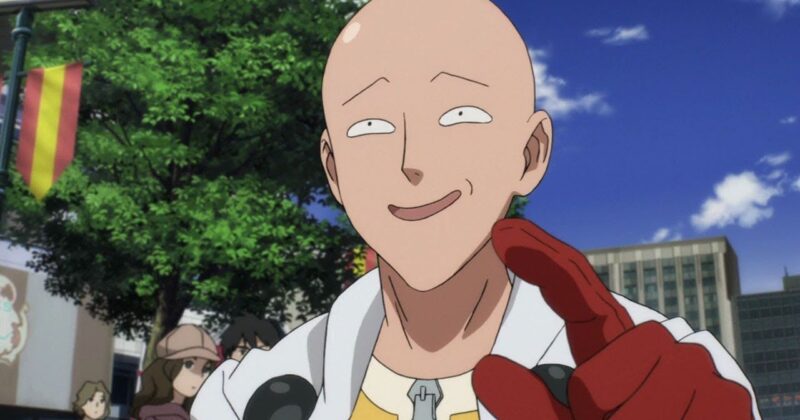
The anticipation surrounding One-Punch Man’s third season was immense. After a breathtaking debut and a divisive second installment, the expectation was that the powerhouse would rebound. Instead, fans were greeted by visibly cheaper production values: static-heavy fight sequences, off-model character designs, and a palpable sense of creative fatigue. The comedic core and biting absurdity of ONE’s original material peek through, yet the anime’s magic flickered rather than burned. Yet, even with its missteps, One-Punch Man’s new season avoids full collapse. By comparison, a handful of other anime imploded far more spectacularly—each with lessons in what not to do when adapting or evolving a beloved story.
1. School Days: Shock Over Substance
On the surface, School Days pitches itself as a by-the-numbers romance. What unfolds is a turbocharged spiral into betrayal and violence, culminating in an infamously brutal finale. Where the premise could have offered piercing drama, instead viewers got manipulative character shifts, erratic pacing, and animation barely above par for the genre. Its main legacy is cautionary: darkness for its own sake simply alienates audiences without meaningful storytelling to ground the shock.
2. Mars of Destruction: Sci-Fi or Masterclass in Failure?
Mars of Destruction has earned its reputation as one of the shortest—and most baffling—OVAs ever. Aliens attack; humans retaliate. But in just over 20 minutes, there is no build, no meaningful stakes, and dialogue so stiff it borders on parody. Today, the series is almost revered as accidental comedy among anime veterans, a case study in minimal effort across the board.
3. Big Order: Trying—and Failing—to Recapture Chaos
Big Order intended to echo the wild energy of cult favorite Future Diary, flooding every scene with supernatural battles and high-stakes games. Instead, it’s a portrait of wasted potential: one-dimensional characters, melodramatic twists that rarely surprise, and an ending so abrupt it’s as if the series simply times out. Rather than frustration, it evokes apathy—a cardinal sin in storytelling.
4. Hand Shakers: Innovation Without Foundation
Conceptually, Hand Shakers could have reinvented the battle anime playbook: partners form supernatural pairs by holding hands and clash in a surreal dreamscape. Yet convoluted lore, flattened characters, and frenetic editing combine to create confusion rather than intrigue. The show bounces unpredictably between tones, leaving even its most open-minded viewers at arm’s length. The rule-bending world had potential, but lacked narrative discipline.
5. Pupa: Horror Lost in the Rush
Pupa is a rare horror anime that envisions psychological and body horror. Each ultra-short episode hurtles through disturbing set pieces following a virus that grotesquely transforms siblings. Sadly, the pacing is far too rushed; scenes have no time to breathe, tension can’t build, and the basic animation reduces each sequence to little more than a slideshow. The original manga’s disturbing, atmospheric impact is nowhere to be found, alienating existing fans in the process.
6. Guilty Crown: Style Outpacing Substance
With viral pandemics, revolutionary students, and reality-altering powers, Guilty Crown chased blockbuster status from the word go. Riveting visuals, compelling art direction, and an outstanding soundtrack laid the groundwork for greatness. Unfortunately, the narrative tangled itself into knots and characters often acted against logic. Main relationships felt hollow and bombastic fights lacked stakes. It serves as a textbook for what happens when project ambition is undermined by narrative coherence.
7. Tokyo Ghoul: Re — Where it All Fell Apart
The deterioration of Tokyo Ghoul across its anime adaptations is much discussed, but Tokyo Ghoul: Re signaled a nadir. Rushed pacing and chaos already plagued earlier seasons, but Re amplified these flaws—introducing too many elements and abandoning the manga’s narrative cohesion. What began as a promising exploration of trauma and identity morphed into a mess of lost potential and jarring shortcuts.
8. The Promised Neverland Season 2: From Masterpiece to Muddle
Few sequels have ever collapsed as heartbreakingly as The Promised Neverland’s second season. Where the debut balanced horror, suspense, and clever twists, its follow-up tried to condense hundreds of chapters into twelve episodes. Whole arcs disappeared, motivations blurred, and abrupt flash-forwards destroyed any sense of buildup. The children’s story of survival was robbed of the tension that made it essential viewing, leaving fans in disbelief at what was lost.
These series illustrate the high-wire act that is anime production and adaptation. While One-Punch Man’s latest outing may have left audiences underwhelmed, it never completely let go of its unique charm. The shows above, by contrast, serve as unmistakable reminders that even the most promising concepts, when fumbled, can lead to critical misfires—moments that echo across the anime landscape as warnings and learning opportunities for creatives and fans alike.