Resident Evil Requiem: The Franchise Faces a Villain Crisis in Its Latest Chapter

The Allure and Legacy of Resident Evil Villains
From the moment Resident Evil burst onto the gaming scene, unforgettable antagonists have been its beating, monstrous heart. Characters like Albert Wesker, Nemesis, and Osmund Saddler did more than menace the player; they left gory, indelible marks on pop culture. But with each legend falling, Capcom has grappled with the difficult task of forging new icons worthy of the franchise’s sinister legacy.
Resident Evil Requiem: A Nostalgic Yet Shaky Rogues’ Gallery
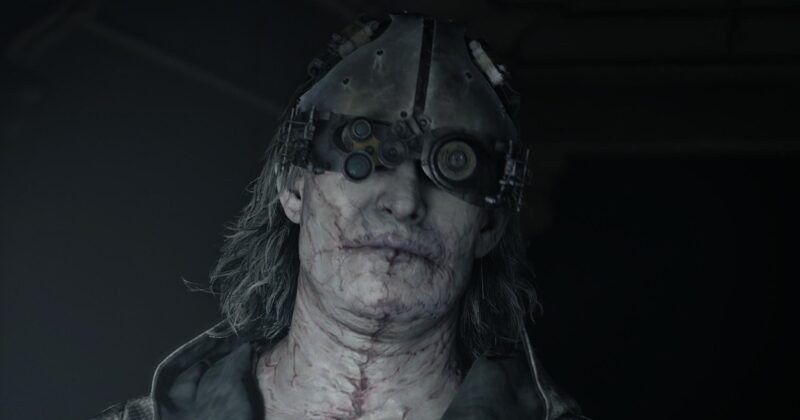
Resident Evil Requiem opens with real promise, thanks to the introduction of Grace Ashcroft, a protagonist out of her depth and pursued by nightmarish foes like Chunk and ‘The Girl.’ These grotesque creatures deliver true survival horror, stalking from the shadows and ramping up tension in a way that recalls the dread of Nemesis or Mr. X, without outright copying their personas. Dr. Victor Gideon, with his chilling, measured performance, offers the blend of gravitas and terror that the series’ best villains have mastered.
However, what begins as a showcase for ingenious new monsters quickly becomes a parade of déjà vu once Leon takes the spotlight. The game introduces a Tyrant nearly indistinguishable from Mr. X as a key boss and gives Gideon a transformation rooted in familiar parasite lore. The result is something that feels less like creative evolution and more like a remix tape—injecting nostalgia at the cost of genuine innovation.
The Zeno Problem: More Imitation Than Inspiration
Enter Zeno, the game’s most divisive addition. If Gideon channels classic villain charisma, Zeno does quite the opposite, echoing Wesker so overtly it borders on mimicry. Zeno’s appearance, mannerisms, and dramatic entrance seem ripped straight from past templates, with little to show for originality. Unlike the self-reflective narrative used in other franchises—think Kylo Ren’s obsession with Darth Vader in Star Wars—Resident Evil does nothing with Zeno’s obvious act of emulation. He dodges bullets and antagonizes Grace but brings no unique motivation or memorable defeat. Zeno feels like a copy without purpose, a shadow rather than a successor.
Nostalgia vs. Progress: Capcom’s Balancing Act
Capcom has a strong track record of creating original, menacing antagonists, as seen in the inventive parade of bosses in Resident Evil Village. So why the overdependence on familiar imagery now? Requiem’s second half falls into a reliance on the greatest hits—Wesker-like villains, Tyrant stand-ins, and callbacks to Raccoon City’s darkest corners. The franchise stands at a crossroads: does it continue mining its history for inspiration, or does it dare to break new ground?
As Resident Evil finds mainstream acclaim once again, there’s a risk that an overdose of nostalgia will pull the series into a creative loop. Fans long for the thrill of the unknown—that icy shock of discovering a new terror, not just the comfort blanket of familiar nightmares.
Why Grace Ashcroft Deserves Better Foes
Despite the villain missteps, Grace Ashcroft emerges as the true surprise. Her narrative depth and vulnerability breathe new life into the franchise. The hope among long-time fans is that future adversaries will match her complexity and force her to stretch beyond mere survival. With Requiem, Capcom flirts with greatness but proves the importance of innovation over imitation in horror gaming’s most storied saga.
Looking Forward for Resident Evil
If Capcom can channel the courage to introduce truly original antagonists, while building on the strengths shown in Grace’s characterization, the next chapter could be not only a celebration of Resident Evil’s legacy but a bold leap forward. Survival horror’s crown isn’t worn by those who simply remember the past—it belongs to those who fearlessly redefine it.