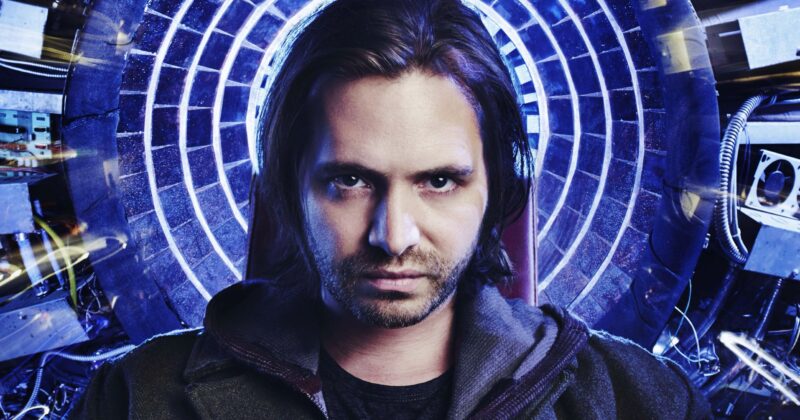
12 Monkeys: The Sci-Fi Series That Redefined TV Reboots
When it comes to science fiction reboots, 12 Monkeys stands out as a rare triumph, turning the daunting task of adapting a beloved film into a sprawling, four-season series that only improved over time. While many reboots falter as they stretch their premises, 12 Monkeys breaks this mold, deepening its mythology, emotional stakes, and inventive storytelling with each successive season.
A Slow-Burn Start Transforms Into a Time Travel Epic
Drawing inspiration from Terry Gilliam’s cult film, which featured stars like Brad Pitt and Bruce Willis, the TV adaptation starts with familiar ground: a virus on the verge of obliterating mankind, a mysterious organization, and a man sent across time to stop the apocalypse. Season one approaches this premise with a procedural edge, drawing viewers into a gritty, high-stakes race against time. Yet, as the show evolves, it boldly leaves behind the constraints of its source material to embrace a grand, cosmic scale.
With each season, the series pushes further into complex explorations of fate, destiny, and the paradoxes of time travel. The narrative branches beyond «stop the virus» to construct a labyrinth of shifting allegiances, alternate realities, and world-shattering revelations. The transformation is striking—what starts as a straightforward thriller becomes an ambitious meditation on the nature of cause and effect.
Stellar Writing and Performances Anchor Mind-Bending Concepts
Strong writing underpins 12 Monkeys’ time-loop twists and shifting timelines, ensuring that even its most complex plots remain rooted in character and emotion. The cast, led by Aaron Stanford (James Cole) and Amanda Schull (Dr. Cassandra Railly), delivers grounded performances that convey the cost of repeatedly confronting, and sometimes rewriting, one’s own fate. Emily Hampshire’s portrayal of Jennifer Goines injects vital doses of wit and meta-pop culture humor, breaking up the intensity with much-needed levity and unpredictable energy.
Unlike many time-travel series that bend their own rules for convenience, 12 Monkeys builds ironclad logic into its timeline mechanics. The series introduces the intriguing idea of shifting causality, challenging the deterministic «closed loop» concept and keeping both characters and viewers off-balance as the stakes build. This respect for internal logic makes every temporal twist feel both surprising and earned.
A Reboot That Honors and Outgrows Its Cinematic Roots
Initial comparisons to the 1995 film might suggest that the show would tread familiar territory, but perseverance is rewarded; 12 Monkeys refuses to rest on nostalgia. In several moments, it arguably surpasses the film, using television’s extended runtime to develop nuanced character arcs and pay off season-spanning mysteries.
The creative team’s dedication to narrative coherence pays off spectacularly in the final season, with earlier plot threads receiving satisfying resolutions. The writers intertwine surreal, haunting drama with flashes of humanity and hope, ensuring the emotional weight lands as heavily as the conceptual puzzles.
Why 12 Monkeys Remains Essential Sci-Fi Viewing
Fans of series like Dark, Fringe, or Loki will appreciate how 12 Monkeys juggles intricate timelines and philosophical questions without losing sight of personal stakes. The synergy of technical craft, narrative ambition, and powerful performances make it a must-watch for aficionados of mind-bending sci-fi.
Notably, 12 Monkeys proves that TV reboots can surpass their big-screen inspiration—not just by revisiting old ground but by daring to imagine bigger, stranger, and more unforgettable worlds. With its unique blend of dark adventure, cerebral plotting, and rich character dynamics, it remains a standout in the crowded landscape of modern genre television.