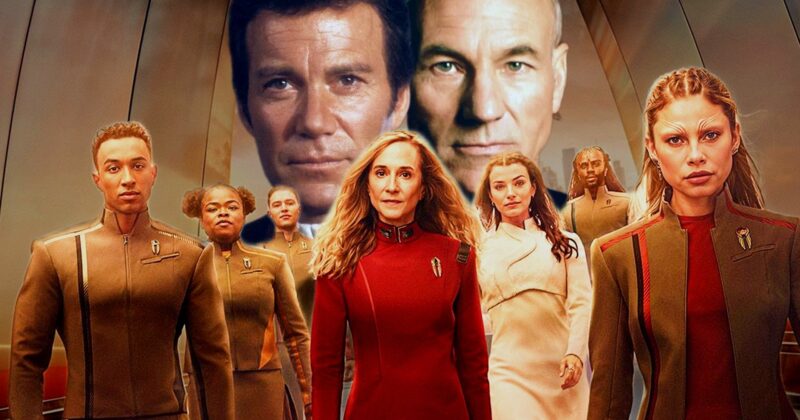
The Timeless Value of Change in Star Trek
Star Trek is celebrated for its vision of the future, boldly exploring the unfamiliar not just among the stars, but in our collective hearts. Among its myriad life lessons, perhaps the most enduring is the necessity—and even the pain—of letting go so that growth becomes possible. At the franchise’s core sits an immortal maxim: ‘The needs of the many outweigh the needs of the few or the one.’ This philosophy, highlighted in Star Trek II: The Wrath of Khan, does more than resolve space conflicts—it speaks to all fans about the challenge of moving on, even when it hurts.
Evolution, Not Nostalgia: How Star Trek Survives
Decade after decade, Star Trek has reinvented itself. The pioneering spirit of The Original Series, pitched as a ‘Wagon Train in space’, quickly set the tone for new adventures. But as science fiction matured and blockbusters like Star Wars and 2001: A Space Odyssey changed the landscape, Star Trek’s creators embraced change. Star Trek: The Motion Picture experimented with grand visuals and existential themes, though it left some longing for the tight energy of the original show. It wasn’t until The Wrath of Khan that the franchise recaptured the essence of its characters, blending nostalgia with bold storytelling and inspiring change both within and outside the narrative.
Each entry in the saga has responded to the era it was born into. With The Next Generation, Star Trek mirrored a world less comfortable with violent conflict, presenting a diplomacy-first Enterprise led by Captain Picard. This evolution was controversial among traditionalists, yet essential to keep Star Trek alive for a rapidly changing audience. Deep Space Nine broke new ground with its serialized storylines and moral complexity, while Voyager and Enterprise placed their crews in brand new dilemmas, expanding the mythos rather than repeating the past.
Why Resistance to Change Will Doom Franchises
Even today, Star Trek faces its greatest threat—not from malevolent aliens, but from fans unwilling to see their beloved universe adapt to new cultural landscapes. Fierce debates over continuity, tone, and leadership are not exclusive to this franchise; Star Wars and Superman remain battlegrounds between nostalgia and innovation. Yet, clinging too tightly to what once was is a paradox: it stifles the very things that made the universes magical in the first place. If Star Trek were to stop evolving, it would fade away, becoming just another relic rather than a living story.
Lessons from Other Franchises: Reinvention Wins
One need only look at Planet of the Apes for an example of successful reinvention. Since its inception, the Apes franchise has continuously reshaped itself, from the original cult films through to modern blockbusters, refusing to be encased in nostalgia. The result has been a resilient, culturally relevant series that new audiences can discover and claim as their own, albeit sometimes with mixed critical results.
Handing Over the Future
As Star Trek forges ahead, it must belong to every new generation. The ongoing series strive to resonate with younger fans, who find their captains and their moral crises reflecting today’s world. While older viewers reminisce about the eras of Kirk, Picard, or Janeway, it’s crucial to recognize that no era is inherently ‘the best’—they are all essential threads in the franchise’s tapestry. The value comes not from keeping Star Trek static, but from allowing it to morph, to sometimes make bold missteps, yet always journey forward.
Letting go is never easy, but it is the only path through which Star Trek—and all pop culture stories—remain a part of our shared present, rather than fixed in the past.