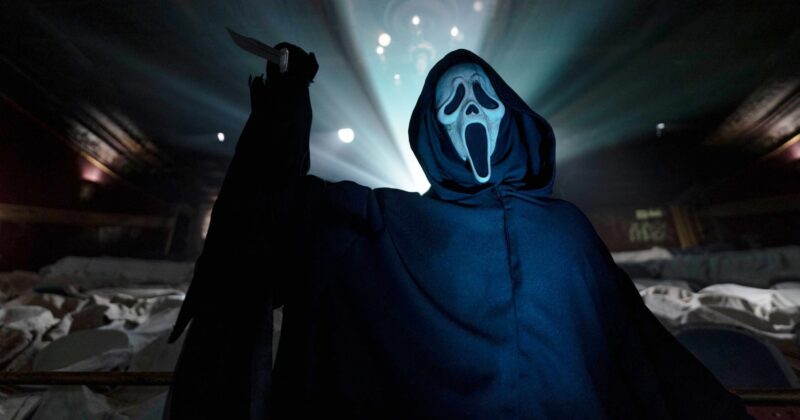
Ghostface: The Cinematic Evolution of Horror’s Most Chilling Mask

The Unsettling Origins of Ghostface
Ghostface stands as one of the most iconic horror villains, but the roots of this chilling figure go beyond the usual Hollywood pedigree. Unlike genre titans crafted in studio backrooms, Ghostface’s visage began as a commercially available mask and robe, accessible on store shelves. This real-world availability created an unnerving plausibility to the character—no supernatural origin, just the haunting implication that anyone could wear that mask and become a part of the saga.
From Improvised Killer to Horror Archetype
The original incarnation featured a robe in sparkly lurex, with square-cut tatters and sharply pointed frills, and up to three mask variants tested before the final haunting peanut-eyed version was chosen. Ghostface’s look was grounded, almost mundane—intentionally clumsy, as seen in the infamous couch-tripping scenes. Billy Loomis and Stu Macher imbued their Ghostface with clear personalities: Billy’s icy precision contrasted with Stu’s chaotic energy, memorable for the comedic yet deadly mishaps. Even footwear, such as the vintage brown Reebok BOKS boots, hinted at the identity behind the mask in sly, blink-and-you’ll-miss-it moments.
Theatrical Redesign and Double Brutality
Ghostface’s presence matured with each film installment. The costume, tweaked for deeper shimmer and more dramatic tatters, telegraphed each killer’s shifting mood. In subsequent entries, the mask’s sculpt evolved—a different set of subtle facial cues that only the most dedicated fans would spot. The violence grew slicker and more precise. Killers like Mickey Altieri and Nancy Loomis displayed spooky synchronicity between their physical acting and the customizable mask and robe. Even incidental tweaks, such as black Outback boots or high-heeled boots, reflected the killer’s persona and expanded the character’s physical vocabulary. Ghostface donned leather jackets, Greek robes—always changing, never losing the chilling ambiguity at the heart of the disguise.
Technological Upgrades and the Rise of the Meta
As the series leaned into meta-commentary, the Ghostface identity adapted. New voice-changers emerged, now capable of mimicking individual characters, echoing the franchise’s obsession with identity and perception. The addition of bulletproof vests played with slasher conventions, allowing Ghostface to become even more formidable while raising the stakes for the survivors. Here, costume detail mattered: masks without mouth creases, sleeker lines, and custom-fitted hoods reflected a new, more methodical kind of terror. The approach of solo killers, like Roman Bridger, demonstrated a disciplined, controlled stalking style, marking a departure from earlier improvisational frenzies.
Ghostface in the Streaming Era
When Ghostface landed on television, a radical redesign took place. The MTV series shifted the mask entirely to a human-like, vacuum-formed design with leather, rivets, and a black poncho replacing the iconic robe. The violence became more intimate, with the killer’s appearance grounded in urban realism. Every piece of the outfit, down to the jungle boots and black balaclava, was designed for real-world plausibility—making the horror all the more visceral. When the character returned to classic form in later TV revivals, the material choices—gauze-like robes, tattered finishes, a bonier jawline on the mask—retained legacy sparkle while adding spectral new textures.
Modern Materials and Fear for a New Generation
Recent films have reimagined Ghostface yet again, updating materials to create a costume that merges nostalgia with modern sensibilities. The robe is touted for its muted sparkle, with ripped sleeves and custom, detachable gloves, reinforcing the idea that this is a store-bought look modified for terror. The boots—now black Doc Martens—reflect an aesthetic both current and practical, and the mask itself uses thicker vinyl and shrouds in custom cotton. Every variant, from Collector’s Edition to custom-molded masks for actor fit, is a nod to the legacy and continuing relevance of Ghostface.
Ghostface’s Lasting Impact on Horror and Pop Culture
No matter the costume upgrades or the identity beneath the mask, Ghostface exists on the razor edge between reality and nightmare. The ability of the character to continuously reinvent itself—adapting to new narrative tones, audience expectations, and technological advancements—cements its status at the very core of contemporary horror. As new cast members and meta-layers are added, each generation rediscovers why a simple mask and robe can remain among the industry’s most chilling legacies.