Shadow and Bone: The Fantasy Series Netflix Fans Still Mourn
Among the high stakes and high fantasy that have come to define streaming TV, few shows captured their audience’s imagination quite like Shadow and Bone. Adapted from Leigh Bardugo’s best-selling Grishaverse trilogy, this two-part series carved out a space for itself in Netflix’s crowded fantasy catalog, creating a devoted following that still rallies for its return.
A World Divided by Magic and Darkness
The story unfolds in Ravka, a fractured nation tormented by war on multiple fronts and divided by the infamous Shadow Fold. This supernatural barrier isn’t just any geographical obstacle; it’s a corridor of living darkness filled with monstrous volcra, splitting the country and its people both physically and politically. Bringing this magical chaos to the screen required not just creative vision but also a significant investment in visual effects and world-building—a hallmark of truly ambitious fantasy TV.
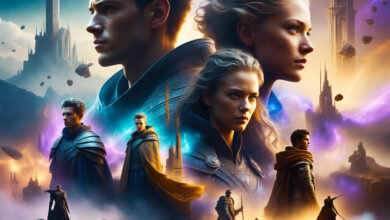
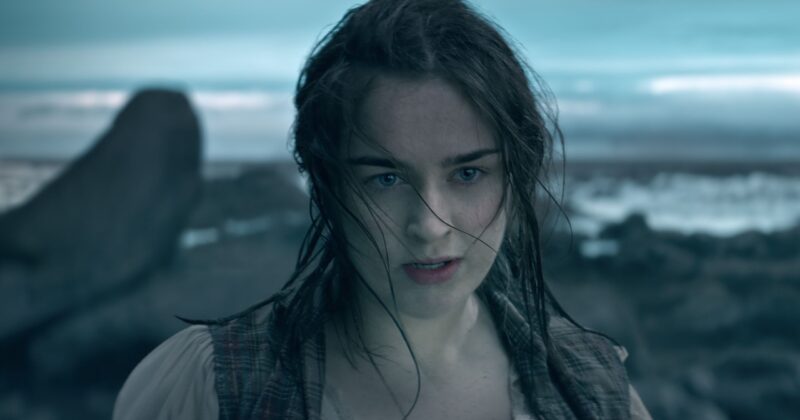
The protagonist, Alina Starkov (portrayed by Jessie Mei Li), is thrust from relative obscurity as a mapmaker into the role of the mythical Sun Summoner. Her unique power to summon light places her at the heart of Ravka’s civil war, attracting allies, enemies, and complicated mentors—none more so than General Kirigan, the enigmatic and morally ambiguous antagonist brought to life with menacing charisma. The show’s character-driven narrative, woven with political intrigue and the rich lore of Bardugo’s universe, showcases why book adaptations are so sought after for screen treatment.
Why Shadow and Bone Fell to Netflix’s Axe
Despite a passionate fanbase and strong viewing numbers, Shadow and Bone fell victim to a combination of external industry pressures and internal cost calculations. Following the SAG-AFTRA and WGA strikes, rising production expenses became harder for streaming giants to justify—especially for ambitious genre properties that aren’t instant mega-blockbusters. As a result, the series was cancelled after two seasons, leaving much of the original trilogy’s story arc unresolved. This premature ending echoed through the fan community, which organized petitions and social campaigns in an attempt to resurrect the show.
The Challenge of Big-Budget Fantasy on Streaming Platforms
Shadow and Bone’s fate is not unique. Bringing expansive fantasy worlds to life on screen requires high budget allocations for sets, effects, costumes, and extended ensemble casts. Only the largest properties—think Game of Thrones or The Lord of the Rings: The Rings of Power—can consistently pull in the global, mainstream attention needed to justify such costs. For every juggernaut, there are multiple series that rise quickly and are gone before their story is complete, often not due to a lack of quality or fan enthusiasm, but rather the cold mathematics of modern content strategy.
This challenge is particularly acute on platforms that must balance unique IPs with the ever-changing tastes of a global subscriber base. As fans know all too well, streaming services frequently opt to invest in new, lower-risk content rather than seeing sprawling fantasy epics through to their conclusion. Shadow and Bone remains one of the most compelling casualties of this new entertainment age.
Outstanding Cast and Creative Talent
The cast of Shadow and Bone delivered memorable performances, led by Jessie Mei Li and Archie Renaux as Mal Oretsev. Danielle Galligan’s portrayal of Nina Zenik brought additional layers to the series, standing out beautifully in pivotal storylines. Under Eric Heisserer’s stewardship as showrunner, and directors including Mairzee Almas and Lee Toland Krieger, the show crafted episodes that balanced lore-heavy world-building with character-driven tension.
For viewers seeking a fantasy series that delivers heart, spectacle, and depth, Shadow and Bone remains essential—both as a sign of the genre’s potential and as a cautionary tale for fans who crave epic stories brought to life.