Why Fox’s The Exorcist Series Redefined Horror Reboots for the Modern Era

The Exorcist: TV Horror Done Right
When Fox introduced a televised adaptation of The Exorcist, few expected it to transcend the genre’s legacy with such fresh ingenuity. Based on the iconic 1973 film often hailed as the zenith of cinematic horror, this series faced the monumental task of following up where countless sequels and reboots had faltered, each struggling to recapture the brilliance and nuance of the original. Instead of succumbing to formulaic scares or nostalgia, it paved its own path, blending reverence for the past with sharp, modern storytelling.
A New Approach to an Ageless Nightmare
The series honors the spirit of Regan MacNeil’s traumatic possession, but smartly evolves the concept. Instead of repeating a child’s possession, the narrative orbits Casey Rance, an adolescent who becomes the vessel for evil. This shift not only refreshes the premise but allows for a deeper exploration of teenage identity, family, and the nature of evil in a modern context. The dread builds slowly—a hallmark of well-crafted horror—giving audiences time to connect with the Rance family before the supernatural elements begin to unravel their reality.
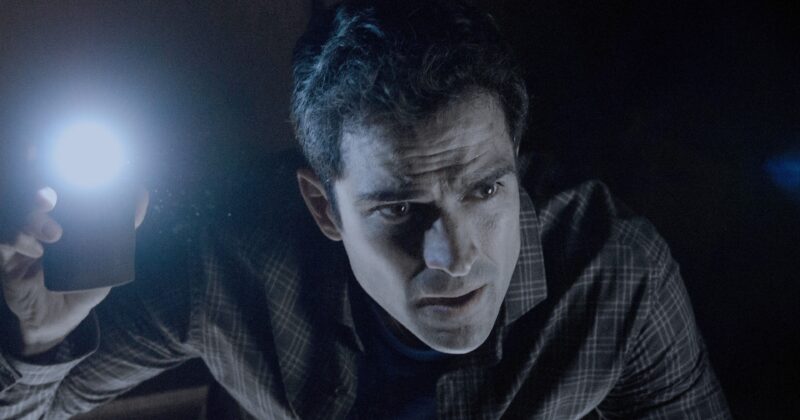
What truly sets this TV adaptation apart is its visual and tonal homage to William Friedkin’s original film. Every frame and scare sequence is steeped in a careful dread, echoing the practical effects and psychological intensity that made the original film enduringly unsettling. The directors employ clever cinematography, subdued sound design, and, above all, restraint—letting suspense accumulate until it erupts into moments of genuine terror.
Hollywood’s Struggle With Horror Franchises
The Exorcist stands as a rare exception in a landscape where horror franchises too often fall victim to their own popularity. Time and again, big-screen reboots and sequels—from Halloween to Nightmare on Elm Street and The Texas Chain Saw Massacre—have missed the mark with uninspired follow-ups that mistake more gore for more fear. This has led prominent creators like Jordan Peele and Mike Flanagan to lean into standalone projects, believing that the initial shock value can’t be sustainably repackaged without losing its essence.
The Exorcist series sidesteps these pitfalls by refusing to chase bigger, bloodier, or louder scares for their own sake. Instead, it expands the mythology with thoughtful character work, moral ambiguity, and a slowly encroaching sense of doom, capturing what made the original frightening in the first place: the creeping realization that evil is both incomprehensible and disturbingly intimate.
Cancelled, But Never Forgotten
Despite critical acclaim, Fox’s adaptation was cut short after two seasons. The decision was a blow to fans and creators alike, especially because the groundwork for long-term storytelling was already expertly laid. Yet, even with just twenty episodes, this series has earned a lasting cult following within horror circles. Its influence can still be felt today in newer genre offerings that zoom in on character-driven dread over cheap jump scares.
If you’re searching for a streaming experience that understands the anatomy of fear—where modern anxieties converge with classic supernatural storytelling—this version of The Exorcist demands a revisitation. The commitment from its cast (notably Alfonso Herrera and Geena Davis), the cerebral pacing, and meticulous direction help it stand tall as one of the most visually arresting and emotionally resonant horror series in recent years.
Meet the Creative Minds
This series owes much to the talent behind the camera and on the page. Jeremy Slater (creator) assembled an impressive roster of directors including Rupert Wyatt, Jason Ensler, and Ti West, while writers such as Manny Coto and Charise Castro Smith brought depth rarely seen in genre television. The result is a show that feels cinematic, daring, and—most importantly—worthy of the Exorcist name.
For those hungry for horror that’s both smart and skin-crawling, these episodes continue to set the standard for adapting and elevating classic films in the streaming era. The Rance family’s ordeal may have ended too soon, but the echoes of their story continue to haunt—and inspire—modern horror.