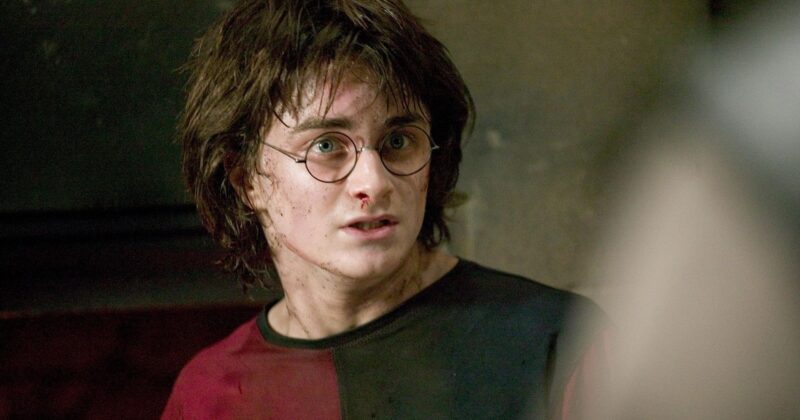
HBO’s New Harry Potter Series Sets the Stage for a Redemption Arc in the Wizarding World

HBO Sparks a New Era for Harry Potter—And a Shot at Redemption
The Harry Potter universe is expanding in unprecedented ways. As HBO gears up to present a TV adaptation of J.K. Rowling’s iconic novels, fans are buzzing about what’s next for the world of witches and wizards. This forthcoming series is promised to span a full decade, aiming for an adaptation that stays truer to the source material than ever before. But the magic doesn’t stop at a single show. Warner Bros. Discovery has already hinted at a broader push—developing spinoffs that could reshape the future of Potter adaptations and correct the path set by the last cinematic venture: Fantastic Beasts.
Fantastic Beasts: Bold Start, Rocky Road
After the original Harry Potter film saga concluded, the return to the wizarding universe was spearheaded by Fantastic Beasts and Where to Find Them. The prequel, rooted in Newt Scamander’s magical misadventures in 1920s New York, initially captured the creativity fans yearned for. Commercially, the film succeeded and set high expectations for a planned trilogy-turned-five-movie-arc. However, this momentum faltered fast.
Despite a strong first outing, the sequels quickly encountered trouble. The Crimes of Grindelwald shifted focus away from Newt and his magical creatures, becoming engrossed in convoluted plotlines centered around young Dumbledore and his antagonist Grindelwald. This pivot resulted in a tonal shift toward the somber and chaotic—bordering on inaccessible for broader audiences. The decrease in box office returns spoke volumes: the series had lost its spark and, with it, its ability to capture the charm that defined the original Potter films.
Adding to the struggle, behind-the-scenes controversies regarding casting changes and public disputes further derailed the franchise’s reputation. The critical and audience response to the third film, Secrets of Dumbledore, was lukewarm at best, with critics citing both a lack of narrative clarity and a loss of magic. The combination of creative missteps and public relations setbacks contributed to the series stalling after just three movies, leaving Potter fans wanting a genuine return to form.
Spinoffs: A Pathway to Renewed Magic
The newly planned Harry Potter TV series is not just a nostalgia trip; it’s an opportunity to recalibrate the Wizarding World’s trajectory. By returning to the deeper lore and character-driven storytelling of Rowling’s books, HBO’s approach can repair cracks left by previous misfires. Most promising, however, is the potential for spinoff opportunities that dig into the corners of the universe left unexplored or mishandled.
Where Fantastic Beasts floundered is precisely where new shows can thrive. The prequel series suffered for turning away from curious magical exploration toward political drama and dark plot entanglements. Future spinoffs have the freedom to reverse this trend—re-centering on imaginative storytelling, worldbuilding, and new perspectives unbound by convoluted canon inconsistencies.
Unlocking Untold Stories and Fresh Angles
The wizarding world is brimming with tantalizing what-ifs: Auror investigations, magical institutions outside of Britain, or the lives of familiar characters during the Wizarding Wars. Rather than rehash tired plots, these new projects can embrace serialized storytelling that mirrors the depth and variety available in today’s prestige TV landscape. Think House of the Dragon or The Mandalorian—successful spinoffs that complemented their sagas rather than simply extending them.
By anchoring upcoming spinoffs in emotional depth, historical richness, and magical creativity, HBO and Warner Bros. Discovery are presented with an open field. The scars left by Fantastic Beasts could soon become forgotten as new stories rekindle excitement among longtime fans and fresh audiences alike. The wizarding world stands on the edge of reinvention—one that finally does justice to the legacy and imagination that made Harry Potter a global phenomenon in the first place.