How ‘Remedial Chaos Theory’ from Community Changed TV Multiverses Forever

The Multiverse Revolution Began with a Roll of the Dice
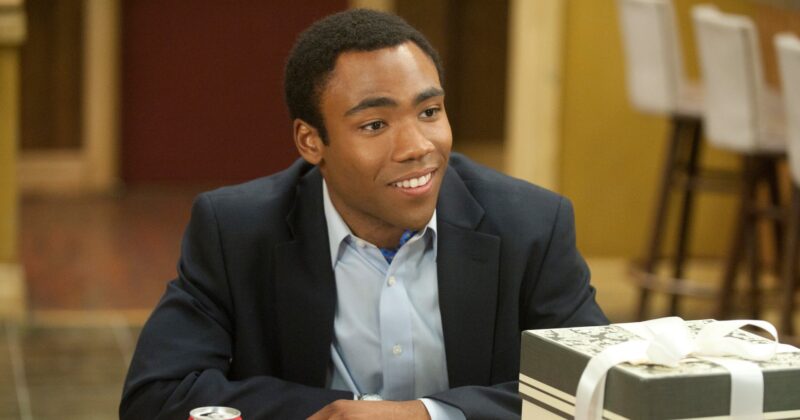
Few sitcoms have left a mark quite like Community, and within its innovative run, no episode has resonated through pop culture quite as profoundly as ‘Remedial Chaos Theory’. In this iconic chapter, what starts as a simple housewarming party at Troy and Abed’s apartment explodes into a seven-timeline spectacle as a roll of a die determines who fetches the pizza. The brilliance? Each version branches out in unpredictable, frequently hilarious, and sometimes tragic ways—including the notorious ‘Darkest Timeline’ where calamity reigns supreme.
Pushing the Sitcom Envelope
Long before multiverse madness dominated Hollywood blockbusters and prestige television, Community introduced millions of mainstream viewers to the butterfly effect, diverging realities, and the concept of infinite possibilities, all wrapped in razor-sharp meta-humor. Showrunner Dan Harmon and his writing team played with the sitcom form itself: characters were self-aware, frequently referencing sitcom tropes, and meta-commentary was as natural as the show’s trademark wit. Notably, Abed became the mouthpiece for a generation realizing their shows could know they were just that—shows.
Where cult favorites like Arrested Development and 30 Rock redefined what sitcoms could be, Community pushed self-referential cleverness into the stratosphere. ‘Remedial Chaos Theory’ transformed a simple premise, the roll of a die, into a storytelling landmark that playfully deconstructed television itself.
Normalizing the Multiverse—And Returning to It
While multiverse plots had graced TV before—most notably in J.J. Abrams’ Fringe—never had a comedy made complex sci-fi tropes so accessible, funny, and memorable. Instead of dense exposition, Community normalized the multiverse for casual viewers, using the game of Yahtzee to elegantly introduce alternate timelines and cause-and-effect consequences. The episode’s influence didn’t stay bottled up; the Darkest Timeline became an ongoing joke and subplot, showing up throughout subsequent seasons and cementing its meme status.
Pop Culture’s Multiverse Boom
The multiverse isn’t just an in-joke for sitcom fans anymore. The playful unraveling of timelines in ‘Remedial Chaos Theory’ left clear footprints for dozens of franchises. Storytelling across genres drew from its legacy, whether it’s Rick and Morty gleefully leaping between realities or mainstream juggernauts like the MCU taking multiverse concepts to the box office stratosphere. In recent years, Spider-Man: Into the Spider-Verse dazzled global audiences, and Everything Everywhere All at Once swept major awards while wrapping a deeply human story around colliding realities. Even films as irreverent as Deadpool Vs Wolverine and Doctor Strange in the Multiverse of Madness embraced the humor and surrealism that Community first normalized for the masses.
With such a legacy, it’s almost impossible to imagine modern pop culture’s appetite for multiple realities, butterfly-effect consequences, and meta-laughs without that fateful pizza party. Community’s best episodes, especially ‘Remedial Chaos Theory,’ proved that exploring infinite possibilities could be both wildly entertaining and surprisingly profound—opening doors for creators and fans to embrace the chaos of storytelling across every possible timeline.