8 Iconic Novels Hollywood Can’t Resist Adapting (Again and Again)

Why Hollywood Can’t Stop Adapting the Same Classic Novels
Adaptations have always been Hollywood’s lifeblood, but some stories attract filmmakers like moths to a flame. From tragic romances to gothic horrors and tales of redemption, these books are not only milestones in literature—they are irresistible blueprints for new movies and series. Every generation, it seems, needs its own screen version, and directors ready to put their distinctive stamp on beloved characters and plots.
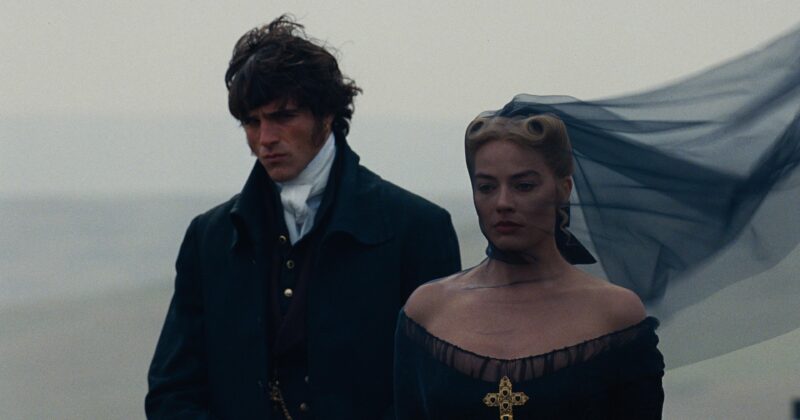
Wuthering Heights
Emily Brontë’s brooding classic is a unique case: more anti-romance than traditional love story. Its protagonists are deeply flawed, their passions destructive—a far cry from the usual Hollywood fairytale. Still, the emotional turmoil and timeless questions about obsession and revenge keep calling directors to reinterpret it. Legends of world cinema—from Luis Buñuel to Jacques Rivette—have tackled it, and the rotating cast of adaptations means each era gets its own vision of Catherine and Heathcliff’s doomed affair.
Dracula
There’s no vampire quite like Bram Stoker’s Dracula. The Count remains the most adapted literary character on screen, eclipsing even Sherlock Holmes. Bela Lugosi’s defining portrait is just the beginning—directors as diverse as Francis Ford Coppola and Luc Besson have left indelible marks. Parodies and reimaginings abound, but even unofficial takes like Nosferatu have become staples worthy of multiple remakes. Dracula is foundational not only to horror, but to cinema’s love affair with mythic storytelling.
Les Misérables
Victor Hugo’s epic of revolution, redemption, and sacrifice is a cinematic Everest. Dozens of adaptations exist, from the earliest silent versions to the Oscar-winning musical. Its sweeping narrative and emotionally charged characters offer endless scope for visual storytelling. Over the decades, we’ve seen everything from sprawling, four-hour adaptations to intimate reinterpretations on screen and stage. Each generation finds new urgency in Jean Valjean’s struggle for identity and justice.
Carrie
Before Stephen King became a genre unto himself, Carrie put him on the map. Brian De Palma’s 1976 adaptation remains a high-water mark for psychological horror, yet the appetite for reimagining this tale of teenage trauma and telekinesis hasn’t dimmed. Sequels, remakes, and now a limited series all seek new angles on King’s slim but potent novel. Carrie is an evergreen vessel for tackling social anxiety, bullying, and vengeance in ways both shocking and deeply human.
Pride & Prejudice
No romance has bewitched audiences quite like Jane Austen’s Pride and Prejudice. The sparkling wit and simmering chemistry between Elizabeth Bennet and Mr. Darcy have inspired a parade of classic adaptations, each starring unforgettable casts—Colin Firth, Keira Knightley, and soon Emma Corrin and Jack Lowden. Modern retellings, whether they hew closely to Austen or spin off into the realms of zombies or Bridget Jones, prove the elasticity and universal appeal of the narrative.
A Christmas Carol
When the holidays roll around, Charles Dickens’ tale of Ebenezer Scrooge and his spectral visitors is the go-to story. From Albert Finney’s spirited musical to Michael Caine holding his own alongside Muppets, and even the uncanny digitally rendered Jim Carrey, A Christmas Carol is a cinematic mainstay. Its themes of regret, redemption, and hope never go out of season—and spawn both faithful and inventive new takes almost annually.
Frankenstein
Mary Shelley’s Frankenstein is a cornerstone of modern horror and science fiction. Boris Karloff created a monster that has haunted the collective imagination for nearly a century, spawning direct sequels, comedic riffs (Young Frankenstein), perspective shifts (told from Igor’s view), and gothic romances. Each director—from Kenneth Branagh to Guillermo del Toro—has explored new angles on the tragedy and humanity locked within the monster’s stitched-together shell.
Little Women
Louisa May Alcott’s beloved coming-of-age story gets re-envisioned for every new audience. Jo, Meg, Beth, and Amy March have been played by screen legends and rising stars alike. Whether interpreted by Katharine Hepburn, Winona Ryder, or under the sensitive direction of Greta Gerwig, Little Women remains a mirror for shifting views on family, ambition, and the importance of creative independence.
These recurring adaptations reflect both the enduring power of literature and the evolving sensibilities of filmmakers. As long as technology advances and tastes shift, audiences can be sure Hollywood will return to these touchstones, each time hoping to capture the magic anew.