10 Unforgettable Martin Scorsese Movie Scenes That Define Cinema

10 Scenes That Showcase Martin Scorsese’s Cinematic Mastery
Few filmmakers have left a mark on pop culture quite like Martin Scorsese. His talent for blending visual style, raw storytelling, and intimate character exploration has produced some of the most memorable moments in film history. Here we take a deep dive into ten scenes that are essential not only for Scorsese fans but for anyone passionate about the art of cinema.
The Pool Hall Fight – Mean Streets
The chaos of Mean Streets’ iconic pool hall fight set a new standard for realism in cinematic violence. It’s a powder keg: quick, ugly, and shockingly authentic, miles away from sanitized Hollywood brawls. The sequence lays bare two sharply contrasting personalities—Charlie’s deliberate calm versus Johnny Boy’s wild unpredictability—all without needing heavy exposition. This visceral moment is a blueprint for how Scorsese infuses character into every punch and flaring temper.
Travis’ Awkward Second Date Call – Taxi Driver
Travis Bickle is already one of cinema’s great outsiders, but the infamous phone call for a second date with Betsy takes social discomfort to new heights. Instead of cutting the tension, Scorsese’s camera slowly drifts away, almost shielding viewers from Travis’ escalating humiliation. The painful voicemail is a masterclass in awkwardness, capturing the deep loneliness of a man completely out of sync with the world around him.
The Head in a Vise – Casino
Casino is brimming with excess and brutality, but few scenes are as bracing as Nicky’s interrogation in the Tangiers back room. The vise sequence, notorious for its gruesomeness, forces audiences to confront the stakes of betraying the mob. It’s Scorsese at his most unflinching, and Joe Pesci at his most terrifying. This isn’t violence for shock value—it’s violence as the language of survival and consequence.
Teddy’s Grim Realization – Shutter Island
The truth at the core of Shutter Island packs the kind of emotional punch that lingers after the credits roll. Watching Teddy accept that his investigation was a psychiatric illusion, culminating in his acceptance of a bleak fate, creates one of the most devastating endings in recent memory. DiCaprio’s nuanced performance adds a haunting dimension to the story’s chilling twist.
‘You Never Got Me Down, Ray’ – Raging Bull
After surviving a brutal pummeling by Sugar Ray Robinson, Jake LaMotta’s battered body is nothing compared to his battered pride. As he taunts Ray—‘You never got me down!’—it’s clear this is less about boxing and more about clinging desperately to dignity and identity. The ring, filmed in stark black-and-white, transforms into a confessional, laying bare the flaws and forlorn spirit of a truly complex antihero.
Rupert Pupkin’s Big Break – The King of Comedy
Few cinematic climaxes are as brilliantly uncomfortable as Rupert Pupkin’s on-air monologue after kidnapping talk show host Jerry Langford. The King of Comedy predicts the rise of fame-obsessed culture, blurring lines between ambition and delusion. Rupert’s moment isn’t triumphant or tragic—it’s eerily prophetic, especially as viral stardom and shortcut celebrity become part of our daily tech-driven reality.
Frank Calls Jimmy Hoffa’s Widow – The Irishman
In The Irishman, Frank Sheeran’s phone call to Jimmy Hoffa’s widow is weighted with guilt, loss, and the consequences of loyalty gone wrong. Robert De Niro delivers a nuanced performance, navigating a minefield of emotion, lies, and unbearable remorse. This scene’s restrained heartbreak is a testament to Scorsese’s faith in the power of acting over spectacle, drawing viewers into the soul of a man crushed by his choices.
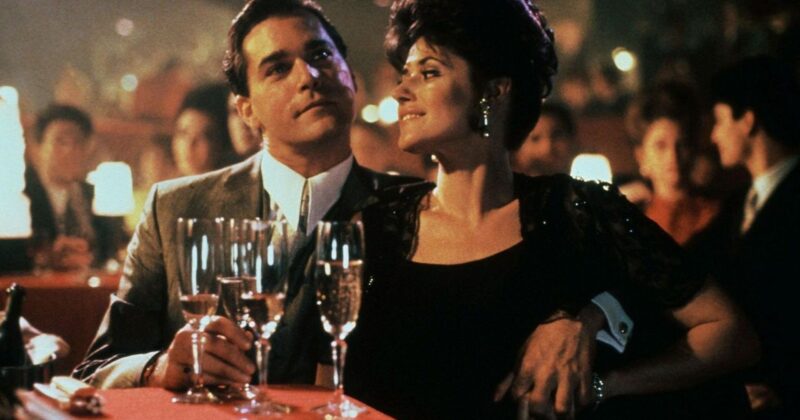
Henry and Karen at the Copacabana – Goodfellas
The long, unbroken steadicam shot as Henry Hill ushers Karen through the kitchen and into the dazzling Copacabana isn’t just technical bravado—it’s seduction in motion. Every detail, from the Crystals’ soundtrack to the effortless line-skipping, draws the audience into Karen’s perspective, making the allure of this underworld lifestyle feel irresistible. This sequence has been endlessly studied in film school for good reason: it’s pure, intoxicating cinema.
‘You Talkin’ To Me?’ – Taxi Driver
Arguably the most quoted scene from Taxi Driver, Travis’ mirror rehearsal feels both chilling and darkly comic. The swagger, the gun, the self-conversation—all underline his disconnect from reality and hunger for validation. It’s a moment that’s become shorthand for cinematic alienation, inspiring countless homages across movies, television, and even video games.
Jordan Belfort on Quaaludes – The Wolf of Wall Street
Only Martin Scorsese could turn an epic drug trip into a tour-de-force set piece. As Leonardo DiCaprio’s Jordan Belfort grapples with the delayed effects of vintage Quaaludes, the film plunges into physical comedy, visual excess, and wild invention. The stair crawl, contorted speech, and frantic improvisation capture the mania and absurdity of excess, framing Jordan’s downfall in the most exhilarating way possible.
Why Scorsese’s Scenes Resonate
Whether gritty violence in New York, tragic moral reckonings, or underdog dreams crumpled by reality, these scenes are carved into pop culture not just for their narrative power but for the technical mastery behind them. For fans of film, gaming, and storytelling, examining these sequences is a reminder of why Scorsese continues to set the bar for cinematic excellence—and to influence the visual language found today across streaming, interactive media, and beyond.