Adventure Time: Revolutionizing Fantasy Animation
Adventure Time made its debut as a whimsical adventure through the magical Land of Ooo. What began as quirky, episodic journeys with Finn the Human and Jake the Dog soon evolved into a deeply layered story, defining the modern blueprint for fantasy animation. The show’s progression from lighthearted fun to intricate lore captured a spectrum of fans, from children to adults, propelling it to cult status almost overnight.
A New Era for Cartoon Network
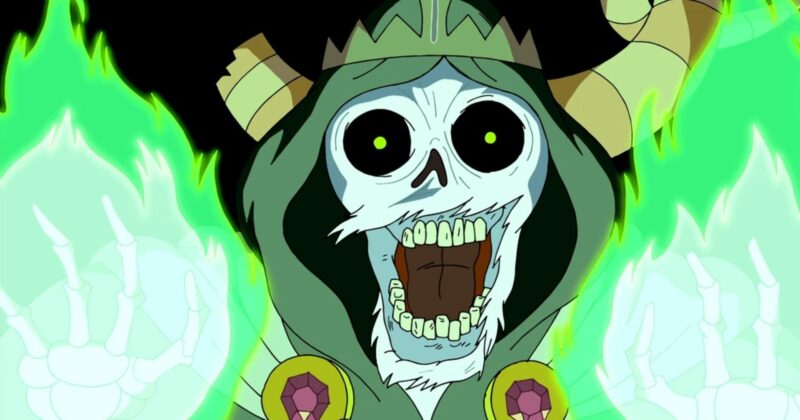
While other classics like Ben 10 or Steven Universe built impressive worlds, Adventure Time outshined them by constantly reinventing itself. Initially, episodes revolved around random escapades involving Finn, Jake, characters like Princess Bubblegum, and peculiar enemies like candy zombies or the outrageously odd Lumpy Space Princess. However, the narrative began to shift dramatically at the end of the second season with the introduction of the Lich, a villain who redefined the stakes and philosophical tone of the series.
From Episodic Comedy to Deep Lore
The turning point that elevated Adventure Time into storytelling legend came with ‘I Remember You’, a landmark episode that delved into the tragic past of Marceline and the Ice King. By connecting whimsical battles and magical creatures to the aftermath of a cataclysmic Mushroom War, the series injected post-apocalyptic subtext and emotional richness rarely seen in animation for a younger audience.
Over its run, fans witnessed Finn grapple with coming-of-age struggles, nuanced relationships—including the nuanced, memorable arc with the Flame Princess—and existential questions. Jake, initially a source of comic relief thanks to his shape-shifting antics, became a surprisingly profound character, often grounding the show’s wilder moments in relatable wisdom or humor. The gradual focus on worldbuilding, such as the mysterious history of Ooo and expanding the personal narratives of supporting characters, meant that every new season brought discoveries and revelations for viewers invested in the lore.
The Art of Growing Up with the Audience
Much like the Harry Potter saga, Adventure Time matured in tone alongside its audience. Early seasons leaned into chaos and absurdist comedy, but later arcs introduced themes of loss, redemption, and change, using the candy-drenched landscape as a backdrop for more intense storytelling. The show never lost its humor, but it wasn’t afraid to tackle deeper ethical dilemmas or address the darker sides of its characters, reflected in complex arcs for Marceline, Princess Bubblegum, and even recurring villains like the Ice King.
This evolution ensured every season contributed to the greater tapestry of Ooo, rewarding longtime fans with emotional payoffs and subplots that spanned years of in-universe time. The world felt lived-in, making every character’s growth genuinely impactful—from Bubblegum’s scientific ambitions clashing with her responsibilities to Finn’s search for identity and sense of purpose.
Bringing Adventure Time to a Fitting Close
The original series wrapped up with an extended special, ‘Come Along With Me’, which tied up Finn and Jake’s character arcs in a way that resonated with both critics and fans. Rather than dragging itself out and risking loss of quality, the team behind Adventure Time opted for a definitive finale, setting a benchmark for how animated series can end on their own terms, yet leave room for the universe to expand.
The Expanding Universe: Specials and Spinoffs
After the series concluded, the franchise didn’t just fade into nostalgia. Adventure Time: Distant Lands, a collection of four feature-length specials available on HBO Max, explored more mature, reflective themes. Focusing on beloved characters like BMO, Princess Bubblegum, and Marceline, the specials provided the closure and continuation the fanbase craved. Notably, these specials weren’t content to merely rehash past adventures, instead pushing the boundaries in terms of tone and narrative complexity.
The franchise continued to innovate with Adventure Time: Fionna and Cake, a spinoff following the gender-swapped, alternate-universe versions of the protagonists. With a TV-14 rating, this new series embraced a more matured audience, offering both nostalgia and fresh storylines for older fans who had grown up with the original. Rumors and development news point to more upcoming series in the universe, including Heyo BMO for preschoolers and Side Quests, chronicling Finn and Jake’s earlier adventures. Even an Adventure Time Movie is in the works, promising to expand the lore further.
Why Adventure Time Remains Unmatched
Adventure Time‘s legacy is not just in its creative worldbuilding or iconic characters, but in its willingness to evolve, balancing humor with genuine emotional stakes. It has inspired new generations of animators and storytellers, proving that animated series can handle complex themes without losing their playful soul. The Land of Ooo continues to grow, promising new journeys for fans and newcomers alike, cementing its place as the gold standard for fantasy animation today.