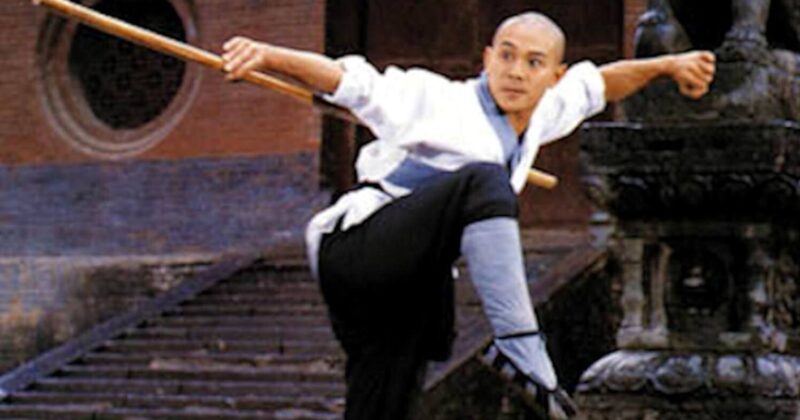
Martial Arts of Shaolin: Jet Li’s Forgotten Masterpiece That Signaled a Major Shift in Kung Fu Cinema

The End of a Legendary Chapter in Martial Arts Cinema
Martial Arts of Shaolin stands as a unique artifact in the world of kung fu films. While its name rarely headlines discussions of Jet Li’s greatest performances, this film holds a crucial spot in the history of martial arts cinema—marking the close of a golden era defined by traditional combat storytelling and intricate choreography.
The Essence of Old-School Kung Fu
Few films encapsulate the spirit of classic kung fu like Martial Arts of Shaolin. The old-school subgenre is known for its commitment to authenticity: period settings, relentless martial arts training montages, and revenge-driven plots. These movies were built around elongated, masterfully designed fight sequences, often involving a blend of weaponry and barehanded techniques. Filming these scenes was arduous, sometimes requiring weeks or months for just a single showdown. This meticulous approach, championed especially by the legendary Shaw Brothers studio, elevated physical performance and technical accuracy to an art form.
Jet Li—having previously found stardom in his breakout project Shaolin Temple—became the face of a style rooted in discipline and respect for ancient martial ways. Martial Arts of Shaolin pushed these traditions to their apex, working under director Lau Kar-leung, whose vision shaped some of the genre’s most iconic classics. This film stands as Jet Li’s only true venture into pure old-school martial arts cinema, before the winds of change swept through the industry.
The Industry Transforms: From Historical Drama to Fantasy Action
As the martial arts film landscape evolved, the mid-80s witnessed a dramatic transition. Audiences began gravitating toward fantastical elements, broader comedic tones, and modern settings. Productions shifted away from time-consuming, traditional fight choreography in favor of faster-paced, more accessible sequences. As a result, the depth and artistry of those iconic duels—which made kung fu movies global phenomena—became rarer with each new release.
Big names like Jackie Chan and Ti Lung became synonymous with the genre, but by the time Jet Li entered this world, the foundational style was already on the verge of extinction. The meticulous, old-school filmmaking techniques that defined Shaw Brothers’ approach were no longer considered cost-effective. In a symbolic move, Martial Arts of Shaolin would become the last martial arts feature produced as the studio disbanded its film division, making this film a poignant swan song for the age of classic kung fu cinema.
The Legacy of Martial Arts of Shaolin in Today’s Pop Culture
Despite not achieving blockbuster status, the film has become a cult favorite among genre enthusiasts and kung fu aficionados who seek authenticity and technique over spectacle. Its influence can still be seen in various modern projects, from animated series to contemporary martial arts video games that pay homage to the aesthetics and values cultivated by these cinematic pioneers. Jet Li’s performance remains a must-watch for any fan eager to witness the roots of martial arts storytelling and the powerful legacy left behind by a vanishing era.