Inside Quentin Tarantino’s Creative Circle: The Collaborators Who Shaped His Universe
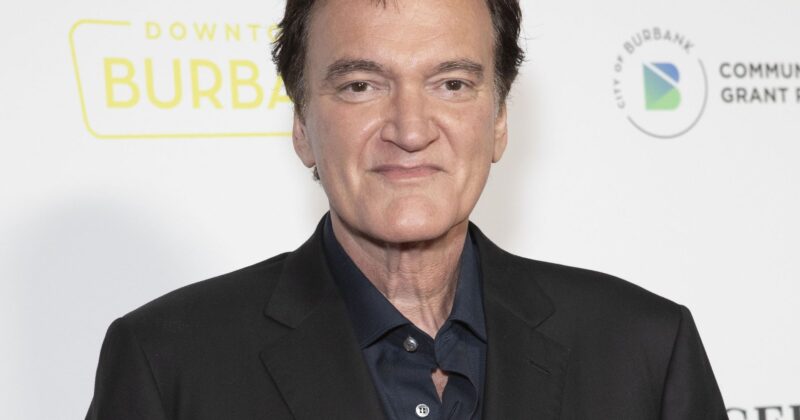
Quentin Tarantino’s legendary status as a filmmaker is undisputed, but the brilliance of his filmography owes much to a trusted roster of collaborators who have both challenged and inspired him. From dynamic actors who recur across his films to the behind-the-scenes visionaries responsible for the kinetic energy of his work, these are the key figures who helped Tarantino continually redefine modern cinema.
Robert Rodriguez: Crossing Paths in Low-Budget Cinema
Few relationships in Hollywood exemplify the DIY spirit of ’90s indie film like Tarantino’s partnership with Robert Rodriguez. Both directors are known for forging their own cinematic paths. Their combined force was first spotlighted in From Dusk Till Dawn, blending Tarantino’s cult-writing flare with Rodriguez’s guerilla filmmaking from his Austin, Texas home studio. Their friendship laid the groundwork for further joint adventures, like the pulpy homage in Grindhouse, illustrating how two mavericks with distinctive voices could riff off each other to create something wholly original.
Michael Parks: The Quintessential Tarantino Player
While some actors ride the spotlight, others become the heart of a filmmaker’s world. Michael Parks, whose portrayal of Earl McGraw in Kill Bill is unforgettable, became one of Tarantino’s go-to character actors. Parks embodied multiple roles within the Tarantino universe, including appearances in From Dusk Till Dawn, Death Proof, and Django Unchained. His transformative performances remind us that sometimes, the most vital contributors aren’t the loudest voices but those who shape a film’s internal mythology across decades.
Uma Thurman: The Defining Muse
Uma Thurman became synonomous with Tarantino’s vision after her electric turn as Mia Wallace in Pulp Fiction. Their creative chemistry exploded further with her role as The Bride in Kill Bill, a collaboration that defined the resurgence of female-led action epics. Even her digital cameo in a Fortnite event showcased the continued cultural impact of her characterization, cementing Thurman’s place as not just a performer, but a muse who helped fuel Tarantino’s most iconic stories.
Zoe Bell: The Invisible Force Behind the Action
Stuntwoman and actress Zoe Bell made her mark as a star in Death Proof, facing off against Kurt Russell’s menacing antagonist. However, Bell’s impact on Tarantino’s legacy is immense behind the camera as well. She doubled for Thurman in Kill Bill, crafted pivotal stunts in Inglourious Basterds and Once Upon a Time in Hollywood, and even coordinated the latter’s adrenaline-fueled sequences. Bell’s commitment helped elevate the director’s action set-pieces to legendary status in contemporary cinema.
Michael Madsen: A Staple Since Reservoir Dogs
No discussion of Tarantino regulars is complete without Michael Madsen. His turn as Mr. Blonde in Reservoir Dogs introduced audiences to Tarantino’s brand of violence and charisma. Over the years, Madsen’s gritty presence enriched Kill Bill, The Hateful Eight, and Once Upon a Time in Hollywood. Pop culture lore even connects Madsen’s character to John Travolta’s Vincent Vega in Pulp Fiction, teasing an interconnected universe that fans still dissect today.
Christoph Waltz: The Double Oscar Powerhouse
When Christoph Waltz stepped into Tarantino’s world with Inglourious Basterds, his chilling portrayal of Colonel Hans Landa became a cultural phenomenon, earning him an Academy Award. Waltz repeated this feat as Dr. King Schultz in Django Unchained, displaying range and depth that would become a high-water mark in Tarantino’s cast roster. With both performances, Waltz set a new standard for richly layered antagonists in genre cinema.
Robert Richardson: The Visual Architect
Behind the kinetic camera work of Tarantino’s recent classics is Robert Richardson, a cinematographer who brought lush, cinematic storytelling to the director’s later outputs. Beginning with Kill Bill and spanning through Inglourious Basterds, Django Unchained, The Hateful Eight, and Once Upon a Time in Hollywood, Richardson’s aesthetic sense added grandeur and a filmic richness that visually separated these works from earlier, grittier Tarantino fare. His ability to interpret Tarantino’s vision is a masterclass in collaborative filmmaking.
Samuel L. Jackson: The Voice of Pulp Revolution
Arguably no name is more entwined with the Tarantino brand than Samuel L. Jackson. Stepping onto the scene in Pulp Fiction as hitman Jules Winnfield, Jackson’s rhythmic delivery and iconic lines have become meme-worthy staples across film and pop culture. His recurring roles in Jackie Brown, Django Unchained, and The Hateful Eight spotlight how his versatility and intensity helped redefine character acting in the post-Tarantino era.