The Good Fight: When a TV Spinoff Becomes Essential Viewing
Crafting a TV spinoff that can stand toe-to-toe with its predecessor is a rare achievement. The Good Fight is one of those rare gems. Emerging from the shadows of its parent show, The Good Wife, this legal drama quickly asserted its own voice, turning what could have been simple fan service into a cultural touchstone for modern legal fiction.
From The Good Wife to The Good Fight: An Origin Rooted in Scandal and Reinvention
Where The Good Wife captivated viewers with Alicia Florrick’s journey through scandal and power, The Good Fight shifts the spotlight to Christine Baranski’s Diane Lockhart. The premise is both refreshing and poignant: Diane’s life unravels after a financial scam destroys her savings and career, forcing her into the depths of Chicago’s legal scene with nothing but her formidable reputation. Losing it all isn’t just a plot hook—it sets the tone for an exploration of resilience and reinvention in a universe built on shifting alliances and moral ambiguity.
Breaking Conventional TV: The Creative Leap of Streaming
The Good Fight moved the franchise from network television to streaming, specifically through CBS All Access (now Paramount+), and this unlocked a creative freedom rarely seen in procedural dramas. The writers weren’t just freed from network constraints on language and content; they also ventured boldly into mature, timely themes. The show became infamous for tackling real-world politics directly, introducing satirical and surreal touches that highlighted just how turbulent the modern legal and political landscape could be—often blurring the lines between fiction and reality.
Diversity, Depth, and Dazzling Performances
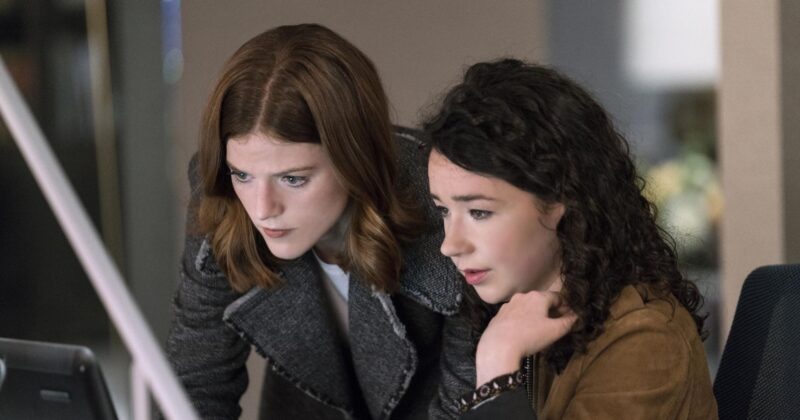
One of the most striking evolutions in The Good Fight is its vibrant, diverse supporting cast. Alongside Diane, we meet new faces who bring fresh perspectives to high-stakes law. Characters like Lucca Quinn (Cush Jumbo) and Marissa Gold (Sarah Steele) emerge as dynamic players, each navigating power, prejudice, and justice in their own right. The chemistry among the cast elevates courtroom and boardroom scenes into something electric and unpredictable.
Shifting Focus: Less Romance, More Power Plays
Unlike the original, which often intertwined personal and professional drama through romance, The Good Fight leans into its strengths as a topical ensemble piece. Political intrigue, ethical dilemmas, and firm politics take center stage. The show’s writers aren’t afraid to comment on explosive headlines or satirize today’s cultural battles—making every season feel uncomfortably close to reality but deeply entertaining. And with veteran character actors (like Alan Cumming appearing as Eli Gold), the show rewards longtime fans without alienating new viewers.
Why The Good Fight Sets the Standard for Modern Spinoffs
Most legal drama spinoffs can barely outlast their pilot seasons, but The Good Fight not only survives—it flourishes. It steps out from the enormous legacy of The Good Wife and carves its own path, proving that great characters, a willingness to take risks, and a firm grasp on the cultural zeitgeist can create television that is both thought-provoking and fun to watch.
Critical Acclaim and Lasting Influence
Every season of The Good Fight gathered critical acclaim, a testament to its relevance and bold storytelling. While shows like Suits LA flicker and fade, The Good Fight finds a way to reimagine what’s possible in the courtroom drama genre—balancing satire, social commentary, and high-stakes storytelling without missing a beat. For fans of compelling TV and those fascinated by how digital platforms transform traditional storytelling, The Good Fight is a spinoff that truly defines what modern television should aspire to be.