How House of Cards Changed the Streaming Landscape
When Netflix embarked on its first-ever self-produced series, little did viewers anticipate the seismic shift about to hit television. House of Cards wasn’t just a political thriller—it was the beginning of streaming TV as we know it, catapulting Netflix into the league of premium heavyweights like HBO and Showtime. With an Emmy-winning pedigree and a spot among the top 150 shows on IMDb, this series set the gold standard for ambitious, character-driven dramas available to binge at our own pace.
The Vision of David Fincher: A Blueprint for Success
It’s impossible to discuss House of Cards without mentioning its cinematic opening—director David Fincher set the tone in the first two episodes, creating a rhythmic and shadowy aesthetic that elevated every moment of political intrigue. This visual language became the series’ DNA, inviting viewers into a Washington, D.C. both grand and menacing. The show’s opening title sequence, with its haunting music and cityscapes, has become iconic in the world of TV production, signaling to viewers that political prestige and unease can exist side by side.
Compelling Characters and High-Stakes Drama
At the core of House of Cards was Frank Underwood, brought to life through a performance that was as magnetic as it was chilling. Frank’s calculated rise—from whip to the pinnacle of power—delivered relentless momentum, full of Machiavellian schemes and sharp monologues that broke the fourth wall. Yet House of Cards never rested on a single character. Robin Wright’s Claire Underwood emerged as an equally complex force, her evolution through the seasons redefining power dynamics in TV drama.
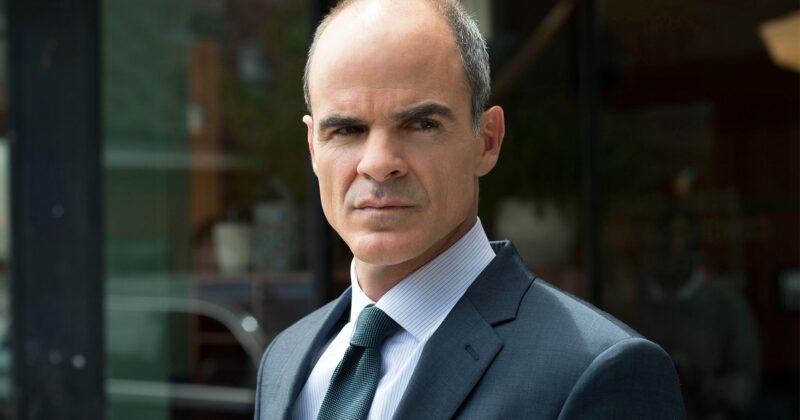
Michael Kelly’s Doug Stamper became a fan favorite, his loyalty and moral ambiguity setting him apart in the vast landscape of supporting characters. Season after season, House of Cards introduced new faces—Mahershala Ali, Rachel Brosnahan, Neve Campbell, Corey Stoll—each adding depth and intrigue, often before their breakout moments in cinema and television.
Writing That Sets a Benchmark
The pen behind the throne was showrunner Beau Willimon, whose sharp writing gave the series its pulse. His work elevated dialogue and plot, focusing on the nuances of power, ethics, and betrayal. Willimon’s later work, including his contributions to celebrated series like Andor, only confirms his status as a top-tier screenwriter in modern television.
Legacy and Lasting Impact
While off-screen controversies overshadowed the final season, leading to a less-than-satisfying conclusion for many fans, the first several seasons remain required viewing for anyone craving sharp, sophisticated drama. House of Cards holds up remarkably well on repeat viewings, thanks to its tight plotting, strong performances, and unflinching commentary on the dark allure of political power. The influence of House of Cards is unmistakable in today’s landscape, where streaming triumphs and series are built around complex antiheroes, sophisticated plotlines, and big-canvas storytelling.
The series may never be as unblemished as it once was, but for those diving into its corridors of power for the first time—or a nostalgic rewatch—it’s clear why House of Cards became, and remains, a touchstone for modern TV drama.