Star Trek Faces an Uncertain Future as Production Pauses on New Series

Star Trek Reaches a Strategic Pause: What Lies Ahead?
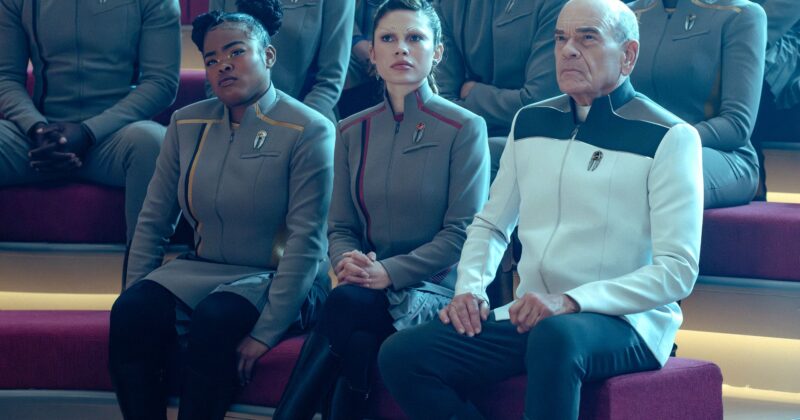
For the first time in nearly a decade, no new Star Trek television series is currently in production. The recent wrap of filming for the second season of Star Trek: Starfleet Academy marks a monumental shift. This follows closely on the heels of the completion of filming for the final season of Star Trek: Strange New Worlds. While fans still have a buffer of fresh episodes to enjoy, an unusual silence now pervades the Star Trek sets at Pinewood Studios Toronto—a contrast to the relentless production activity that defined recent years.
Plenty of Episodes in the Pipeline, But Then What?
Paramount+ made sure to bank multiple seasons ahead of this production hiatus. Once Starfleet Academy finishes airing its first season, an additional ten episodes await. Meanwhile, Strange New Worlds offers a fourth and a fifth season ready for rollout. The schedule has ensured fans won’t experience immediate content drought—a two-year runway of episodes stretches ahead. Still, the pressing question is: What happens after this?
End of an Era: No Productions in the Works
This is the first time since the reboot of Star Trek: Discovery that the franchise finds itself with no new productions underway. On the cinematic front, the last attempt at a theatrical Star Trek movie dates back several years, with only sporadic announcements and development limbo following. This scenario is eerily reminiscent of what happened after Star Trek: Enterprise concluded, which led to a notable gap before Discovery reignited the TV landscape. The movies—rebooted by J.J. Abrams into an alternate timeline—have not featured direct tie-ins to recent TV series, highlighting a persistent division between cinematic and episodic Trek.
Highs and Transformation in the Streaming Age
The golden age of Star Trek streaming was unmistakable when fans enjoyed nearly a full year of uninterrupted weekly new episodes. The highs included the nostalgia-driven finale season of Star Trek: Picard and the inventive narrative of Strange New Worlds. Recent years, however, brought a wave of cancellations: shows like Discovery, Lower Decks, and Prodigy all came to an end as the streaming content landscape evolved and new leadership at Paramount began shifting strategies.
Shifts in Leadership and Franchise Direction
One turning point ahead is the potential transition of creative leadership. Alex Kurtzman, long credited with steering the Star Trek universe on streaming, approaches the end of his contract. Paramount faces decisions: will they renew Kurtzman’s role, or will a new producer bring a different vision? There’s also speculation that the longstanding split between Star Trek’s TV and movie divisions—originating from a studio split nearly two decades ago—could at last be healed, enabling closer collaboration and richer crossover possibilities.
Hiatus or Reinvention? The Next Phase for the Franchise
If no new series goes into production soon, Star Trek might enter another resting phase. This could serve as a buffer between creative eras: the conclusion of current storylines and the genesis of a new direction, both for television and feature films. However, this pause is not an end; rather, it’s a recalibration. Paramount’s executives, aware of Star Trek’s enduring popularity and cultural influence, are unlikely to let the brand languish for long. The challenge remains: expanding the universe to newer, younger audiences while satisfying the devoted core fanbase. Experimental projects like Starfleet Academy (targeting young adults) and Prodigy (aimed at children) exemplify this outreach, but the next big step awaits executive and creative clarity.
The Weight of Legacy in a Dynamic Media Landscape
As Paramount weighs strategies, the Star Trek universe finds itself at a genuine crossroads. With sixty years of innovation, groundbreaking stories, and technological imagination behind it, the franchise remains one of the most beloved in popular culture. The recent halt in production could be the prelude to a major reinvention—one that embraces both tradition and bold ideas for the future of the final frontier.