HBO’s Rome: The Epic Historical Drama That Set the Stage for Modern Prestige TV

The Roman Epic That Changed How TV Looked Forever
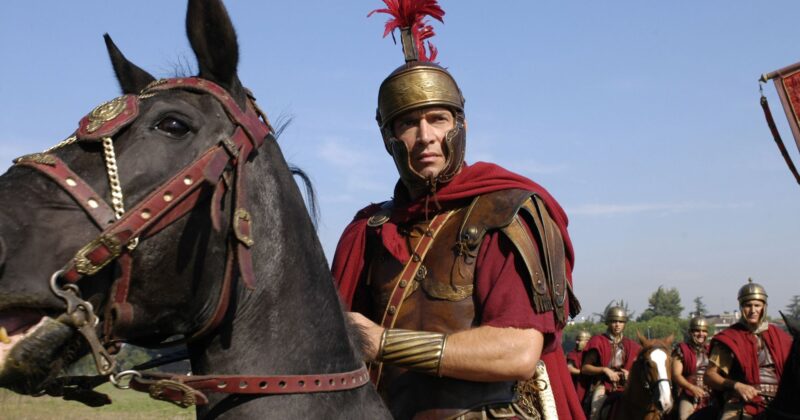
When HBO took a chance on Rome, it wasn’t just launching another period drama—it was redefining what television could be. This series plunged viewers deep into the chaos and grandeur of ancient Rome, breathing cinematic life into the fall of the Republic and the ruthless ascent of the Empire. Anchored by unforgettable performances—most notably James Purefoy’s smoldering Mark Antony—the show balanced the grand sweeps of history with the tangled, personal stories of soldiers Lucius Vorenus and Titus Pullo, characters loosely lifted from Julius Caesar’s own chronicles.
Ambition on an Unprecedented Scale
Rome’s ambition rippled through every frame. With a production budget soaring north of $100 million for its debut season, HBO and the BBC weren’t just telling a story—they were building an empire on real sets at Cinecittà Studios. This wasn’t the digitally-stitched Rome of old Hollywood, but a tactile city pulsing with energy. The production team constructed actual Roman streets with working drainage systems, period-accurate interiors, and immersive backdrops—all to anchor the actors and audience in a living, breathing world. The result? Tracking shots that glided past bustling markets, opulent villas, and teeming political forums, delivering scale more often reserved for blockbuster films.
Setting the Blueprint for Modern Prestige Television
Today, the golden age of television is defined by complex serial storytelling, lush world-building, and moral ambiguity—yet Rome did it first, long before Game of Thrones dominated screens and awards circuits. In fact, early Game of Thrones seasons operated with only a fraction of Rome’s initial episode budget, highlighting just how groundbreaking Rome’s investment in authenticity was.
But Rome’s true triumph was its cocktail of political intrigue, shifting allegiances, and the ever-present threat of violence—all laced with a mature authenticity that treated its audience as adults. The series never shied away from sex, gore, or the far-reaching consequences of its characters’ choices. This set the gold standard for every drama that would follow in its wake.
Characters Ahead of Their Time
The focus might have been the collapse of a civilization, but Rome’s enduring power is rooted in unforgettable characters. Lucius Vorenus and Titus Pullo, real soldiers in Caesar’s own reports, are reimagined as deeply human, flawed antiheroes who stumble—sometimes gleefully, sometimes regretfully—through the corridors of power. Their moral struggles, fraught loyalties, and banter-filled partnership could easily sit alongside the relationships and personal journeys seen in beloved modern epics.
The political figures—Caesar, Cleopatra, Octavian—aren’t just historical caricatures, but vivid, multilayered personalities whose ambitions and failings provide both spectacle and intimate character drama. The show’s richness is evident in how it lingers on personal moments—betrayals, reunions, confessions—that ripple out into world-altering consequences.
An Enduring Legacy
While Rome only ran for two breathtaking seasons, its shadow stretches across today’s television landscape. The template it crafted—cinematic visuals, fearless narrative risks, and a willingness to treat history as something thrilling instead of dusty—has been adopted by genre-defining series. You see echoes of its DNA in everything from Vikings to The Witcher, and of course, the political bloodsport of Game of Thrones.
For viewers who crave a blend of historical immersion, political intrigue, and visceral storytelling, revisiting Rome is a window into the birth of the prestige TV era. It’s proof that, with enough ambition (and gold), television can rival anything the big screen has to offer.