Dark Winds: Shocking Twists and Power Plays in Season 4 Episode 3

The Surprising Turn: Irene’s Obsession and the Kiss
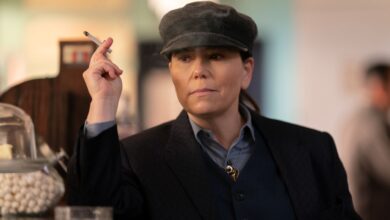
Few TV moments in recent memory have landed with as much intrigue and tension as Irene’s confrontation with Lieutenant Joe Leaphorn at the end of Dark Winds season 4, episode 3. With a gun aimed squarely at Joe, Irene—played with chilling intensity by Franka Potente—forced a pivotal interaction. Instead of the expected threat or violence, she confessed deep respect for Navajo culture and Joe’s character, culminating in an unsettling, unsolicited kiss. This act wasn’t just about psychological warfare; it’s rooted in Irene’s growing obsession with Joe as an embodiment of Navajo spirit, craft, and tradition. Her fixation has been slowly revealed, from her cryptic comments about his skills to her invasive raids into his private life. In her mind, Joe is not only her adversary but a kind of spiritual counterpart—a narrative thread that taps deep into the crime thriller’s exploration of cultural identity and personal motives.
The Villain’s Psychology: Spiritual Warfare and Manipulation
Irene’s actions illustrate a rare kind of antagonist: one animated as much by veneration as by violence. She sees herself in spiritual combat with Joe, interpreting their pursuit as a dance between equally matched forces. This interpretation isn’t just theatrical—it helps propel the show into more original territory, addressing themes of fixation, appropriating culture, and the blurred ethical lines between hunter and hunted. Her unpredictability keeps every encounter loaded with peril, pushing Leaphorn to new emotional edges and giving viewers one of the most psychologically layered villains currently on TV.
Billie Heads West: The LA Decision and Its Fallout
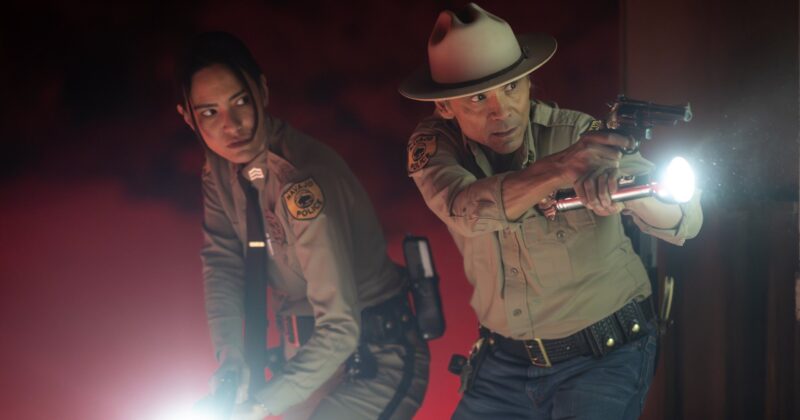
Billie Tsosie’s decision to leave behind her home and head to Los Angeles adds a fresh layer of urgency to the story. Both Gorman siblings have been killed, leaving Leroy as Billie’s only family, and she’s determined to find him, even if it means crossing jurisdictional lines. Her choice forces Joe Leaphorn, Bernadette Manuelito, and Jim Chee into a difficult position: official law enforcement channels are useless in Los Angeles, stripping them of both their power and safety net. Rather than stand by, the trio prepares to embark on an unofficial manhunt—a classic noir motif but with a distinctly Indigenous perspective. The arc teases a major shift in pace and setting, with LA promising fresh dangers and cultural contrasts for the famously reserved Leaphorn.
Limits of Authority: NTP vs. Big City Realities
Central to this plot is the blunt reality that jurisdiction ends at the reservation’s border. Bernadette’s frank admission—‘we don’t have power in Los Angeles’—highlights the real-world complexities Indigenous police face, both in fiction and fact. Despite this, the group’s loyalty to each other and commitment to Billie drives them forward, setting up a tense, fish-out-of-water scenario likely to challenge their morals, methods, and personal bonds.
Retirement Revelations: Joe, Chee, and Betrayal
The fallout from Leaphorn’s secret plans for retirement brings the show’s interpersonal drama to a head. Chee, who learns the truth from Bernadette rather than Leaphorn himself, burns with resentment—not only is he being passed over for promotion, but he also feels betrayed by two people he deeply trusts. This internal conflict taps into classic TV power dynamics: who inherits leadership, and is loyalty enough to earn that right?
Chee’s anger is more nuanced than mere jealousy. He points out Joe’s selective adherence to ‘protocol,’ especially since both have bent the rules to protect each other in the past. The subtext here is thick—the question isn’t only about succession, but about who gets to define the future for their community, and what criteria matter most: time served, willingness to break rules for the right reasons, or cultural standing.
The Mystery of Chee’s Sickness
One of the episode’s most unsettling threads concerns Chee’s ghost sickness. A bloody nose at work, a lost tooth in the car—symptoms that could be read as either somatic evidence of a curse or tricks of the mind. His exposure to the death hogan in the previous episode has left lingering doubts about what is real and what is imagined. Dark Winds excels here, blending elements of supernatural horror and psychological thriller, leaving viewers questioning the nature of Chee’s suffering. Is he afflicted by something supernatural, or are these hallucinations brought on by stress and trauma?
The show’s tactful navigation of Navajo lore—merging cultural authenticity with genre storytelling—stands out in today’s crowded landscape of crime dramas. As fans dissect every frame for clues, debate will continue: is Chee truly cursed, and if so, can he recover before it’s too late?
What Awaits Next: Shifting Boundaries and New Frontiers
With each episode, Dark Winds expands its mythos and stakes, reminding viewers that the boundaries between good and evil, real and imagined, insider and outsider are always shifting. As the cast moves toward Los Angeles and the threads of obsession, loyalty, and spiritual peril tighten, the season promises more than just traditional crime drama tropes—it offers a narrative deeply embedded in culture, character evolution, and the ever-present shadow of the unknown.