Tracker Shies Away From Its Most Emotional Twist Yet: The Missed Opportunity With Keaton

Tracker’s Reluctance to Shake Its Status Quo
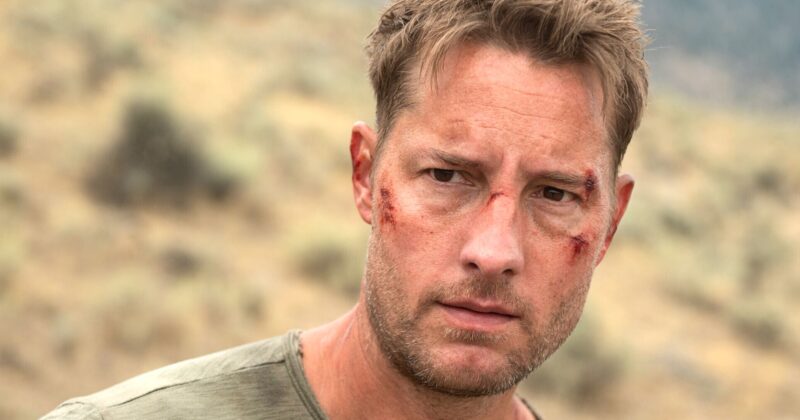
Tracker, the most-watched crime drama on network television, recently demonstrated the tension between audience expectations and storytelling risk. The latest episode, ‘Fallout,’ picks up in the immediate aftermath of a car wreck that put Colter Shaw and his trusted ally Keaton in mortal danger. Fans held their breath, waiting to see if the series would finally deliver a moment that truly changed the emotional stakes—and the fate of one of its most-loved recurring characters.
Keaton’s Survival and the Unfulfilled Potential
Throughout its run, Tracker has excelled at tapping into the isolated, almost mythic lifestyle of Colter Shaw, played with intensity by Justin Hartley. His journey is rarely accompanied by long-term partners in the field, with most of his support team operating remotely. Keaton, a retired police officer, has provided rare in-person collaboration and genuine camaraderie. When episode 10 finally revealed Keaton survived his ordeal, the relief among viewers was matched by undeniable surprise—CBS chose not to let the storyline follow the natural course of loss and upheaval.
By choosing not to kill Keaton, the show missed an inflection point. Rarely do network procedurals put their heroes through the kind of grief that permanently alters their trajectories. Yet, for a series rooted in high-stakes investigations and emotional distance, losing Keaton could have vividly reinforced just how dangerous Colter’s work is—and exposed his vulnerabilities beyond cryptic flashbacks or off-screen tragedies.
Why Keaton’s Continued Presence Matters
Keaton’s importance goes beyond routine casework. His relationship with Colter is a bridge for viewers, making network procedural stakes personal and immediate. Unlike Colter’s late father, Ashton, whose death hovers symbolically over the narrative, Keaton has been allowed to earn genuine audience affection through time spent on-screen. The prospect of losing him would have underlined how isolated Colter is, and forced both character and audience to sit with authentic grief—something rare on mainstream broadcast TV.
The Real-World Perspective on Tracker’s Stakes
For many fans of serial crime dramas or modern thrillers, character deaths aren’t about shock value but emotional growth. Shows such as The Good Wife and This Is Us have demonstrated that even genre fare can be richer for exploring the fallout of loss. If Tracker had dared to kill off Keaton, it would have challenged Colter, who thus far has existed on the periphery of consequence, always a fixer—never truly broken by events he cannot undo.
The Future of Tracker Post-‘Fallout’
Heading toward a likely fourth season, some evolution is necessary both for Colter Shaw and for the series as a whole. The show’s refusal to cross that emotional third rail suggests a desire to protect its core formula. Yet, audiences increasingly want serialized elements in their escapism—a willingness to shake things up, even if it means saying goodbye to favorite faces.
By holding back, Tracker maintains its comfort zone, but leaves lingering questions about just how far it’s willing to go in pursuit of real narrative ambition. As the series continues, the hope remains for deeper personal stakes and a willingness to let its hero feel the full consequences of the perilous life he leads.