Mindhunter: The Detective Series That Transformed True Crime on Netflix

A New Standard in Detective Dramas
Mindhunter shattered expectations of the typical detective show, discarding high-octane chases for cerebral tension and nuanced storytelling. Under the meticulous direction of David Fincher, this series dives deep into the human psyche, making it an immersive experience that redefined the true crime subgenre.
Immersive Realism Over Hollywood Spectacle
The brilliance of Mindhunter comes from its commitment to realism. Unlike iconic predecessors such as Sherlock or CSI, where detectives display almost supernatural insight, Mindhunter draws its suspense from the vulnerability of its characters—and the terrifying uncertainty of confronting the unknown. The show opens with a botched hostage negotiation, making it clear these detectives are figuring things out as the audience does, a stark contrast to the usual trope of crime-solving geniuses.
The Psychology of Crime: Inside Mindhunter
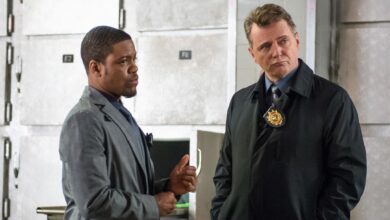
Based on the real FBI Behavioral Science Unit’s formative years, Mindhunter brings to life the pioneering efforts to understand and profile serial killers. Set in the shadow of notorious criminals of the late 20th century, characters Holden Ford and Bill Tench conduct chilling interviews and analyze crime scene details—rarely showing violence, but letting disturbing facts, photos, and unsettling conversations deliver the impact.
This approach pays dividends, giving the actors—the exceptional Holt McCallany and supporting cast—ample space to create tension and empathy without resorting to gratuitous effects. Every conversation is laced with psychological intensity, putting viewers directly in the shoes of those who first faced the monsters that haunted American headlines.
Critical Acclaim Meets Harsh Reality
The show’s dedication to authenticity earned it widespread critical acclaim. Mindhunter held a near-perfect score from critics and audiences alike, a rarity on any streaming platform. However, this devotion to quality was a double-edged sword. With production costs high and narrative pace sometimes favoring subtlety over spectacle, the series ended prematurely. Despite these challenges, its legacy endures—fans and critics alike continue to call it one of the most intelligent explorations of criminal psychology ever brought to screen.
David Fincher’s Signature Touch
Mindhunter bears the unmistakable mark of Fincher’s creative genius, evident in every haunting frame and tightly woven sequence. A director recognized for classics such as Se7en, Zodiac, and Gone Girl, Fincher’s approach in Mindhunter is all about atmosphere: slow-building dread, minimalist exposition, and tightly measured emotional beats. The show’s most memorable scenes frequently arrive without warning—like the chilling final moments of the second season—featuring audio and visual cues that linger long after the credits roll.
A Blueprint for the Next Generation of Crime TV
Few series have dared to prioritize realism and psychological depth over formulaic drama, but Mindhunter’s example shows that there is a place for intelligent, introspective storytelling in a genre often dominated by procedural checklists. The cancellation of Mindhunter is still considered one of the streaming era’s most frustrating losses, as Fincher resisted diluting his vision to fit into mainstream molds. Still, the show’s existence continues to inspire new narratives and creative risk-taking in crime television.
The Enduring Impact of Mindhunter
With a remarkable creative team, including Joe Penhall as showrunner and a roster of directors and writers with backgrounds spanning drama, true crime, and documentary, Mindhunter became a reference point in the evolution of crime TV. Its influence extends beyond the screen, encouraging a surge in media interest in criminal profiling and a more profound engagement with true crime as a genre both in streaming TV and podcasting. For fans who crave substance alongside their suspense, the hope for a future revival of Mindhunter remains as persistent as the memory of its most unsettling interviews.