The Limits of Nostalgia: Why Not Every Classic Sitcom Revival Finds New Life

The Streaming Dilemma: Classic Sitcoms Meet Modern TV
Across the streaming landscape, platforms have been eager to revive beloved shows, looking to recapture the magic and secure instant audiences. Yet, as evidenced by Netflix’s attempt with Fuller House, not every classic sitcom thrives in this new era. Amid an entertainment environment dominated by prestige dramas and innovative comedies, traditional multi-camera sitcoms often struggle to find their footing, despite the success stories like Ghosts and Georgie & Mandy’s First Marriage.
Anatomy of a Revival: Fuller House’s Unrealized Potential
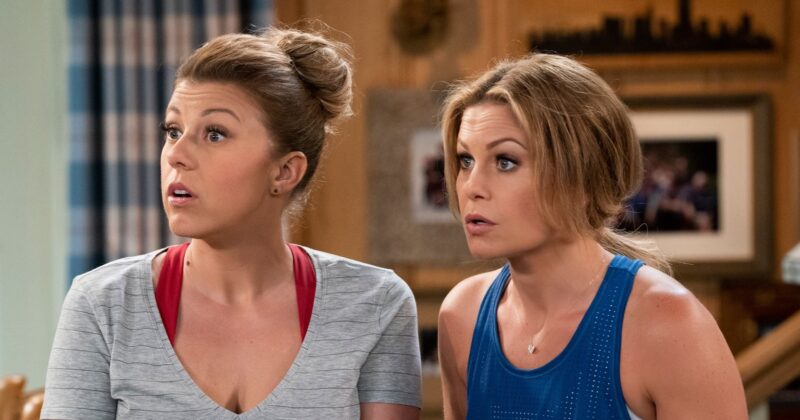
The premise behind reviving Full House seemed strong on paper: reunite a well-loved cast, revisit a familiar San Francisco home, and let nostalgia draw in long-time fans. However, Fuller House did little to evolve the formula. Both Candace Cameron Bure’s DJ Tanner and the family structure felt like direct echoes of the original, with only the generational faces shifted. In a time when comedies like Ted Lasso or animated juggernauts like The Simpsons have redefined what a sitcom can be, simply rehashing an ’80s premise felt out of step with viewers’ evolving tastes.
Many platforms have learned that acquiring old favorites can help build momentum, but building something new within these worlds is another challenge. Attempts at original sitcoms on streaming services, such as Space Force, have come and gone quickly, suggesting the appetite for classic comedic setups is more complicated than expected.
Nostalgia’s Double-Edged Sword
It’s undeniable: nostalgia is a powerful force. In 2016, throwbacks to the 1980s and 1990s were everywhere, from Stranger Things to Cobra Kai. But what set the best apart was their willingness to play with, critique, or deepen the original ideas. BoJack Horseman, for example, dissected the very formula that gave birth to shows like Full House with its brutally clever satire of saccharine sitcom tropes, embodied in its own show-within-a-show, Horsin’ Around.
With the bar set higher, newly revived sitcoms are expected to be more than mere comfort food. There’s an audience out there for smart nostalgia — comedies that can wink at their own origins while saying something new about family, society, or even the genre itself. As genres evolved with series like 30 Rock and Community, it became clear that sitcoms can be both affectionate and sharply self-aware.
Playing It Safe or Missing the Mark?
Throughout its run, Fuller House grew somewhat in confidence and chemistry, especially among the lead actors. Later seasons reportedly featured more relaxed interactions and a genuine sense of camaraderie. However, critics and newer audiences found themselves asking: what was the point of returning to this world if all it offered was a nostalgic retread?
Other properties found creative ways to bridge past and present. The Brady Bunch films of the ’90s managed to lovingly parody their source material, embracing the original’s quirks while poking fun at its excesses. That balance — affection paired with a modern sensibility — is what separates a timeless revival from a forgettable one.
Recently, shows like The Conners or That ‘90s Show have experienced a similar fate to Fuller House: high initial interest and a flood of returning cast, but ultimately, a sense that something essential had been lost or watered down. The challenge remains: as streaming services continue to search for the next iconic sitcom, the blueprint requires more than nostalgia — it demands a fresh, relevant point of view to resonate with today’s audiences.