Andor: How Diego Luna’s Star Wars Space Opera Redefined Sci-Fi Expectations

The Unlikely Triumph of Andor in the Star Wars Universe
The trajectory of Andor is one of the most surprising success stories within Disney+’s ever-expanding Star Wars galaxy. At first glance, few could have predicted that a series built around Cassian Andor—a character introduced as a doomed rebel spy in Rogue One: A Star Wars Story—would spark such intense acclaim. Yet, Andor doesn’t ride on nostalgia or familiar faces; instead, it forges a daring path by fusing complex political intrigue with intimate character development, elevating itself far above standard sci-fi fare.
Bold Storytelling Over Star Wars Nostalgia
When Rogue One premiered, it pushed boundaries by delivering a gritty, downbeat tone and memorable ensemble—culminating in the ultimate sacrifice of its protagonists. Few expected a spinoff centered around Cassian, let alone one capable of shaking the franchise at its core. Against all odds, Andor eschews the heavy use of Jedi lore and iconic lightsabers in favor of a meticulously crafted political drama.
Showrunner Tony Gilroy and his creative team doubled down on this vision, crafting a series lauded as one of the most politically charged in the Star Wars saga. Drawing clear parallels to real-world systems of corruption and resistance, Andor resonated deeply with critics and viewers alike, quickly becoming a reference point for those seeking more than action-packed escapism. This focus on authentic struggle and the cost of rebellion set Andor apart, reflected in its 96% rating on Rotten Tomatoes, a benchmark typically reserved for franchise classics.
Realism, Character Depth, and the Absence of Destiny
Where much of science fiction leans into the destiny of a chosen one, Andor’s power lies in its grounded storytelling. Cassian’s arc, from a self-serving survivor to a vital figure within the Rebel Alliance, is steeped in shades of gray. He, and those around him—figures like Luthen Rael—experience setbacks, doubts, and moral conflicts, making their victories and sacrifices feel earned rather than predestined.
This nuanced approach mirrors the creative leap once taken by The Empire Strikes Back. While its dark tone and emotional complexity set a new standard for the Star Wars movies, Andor achieves something similar in serialized form. In both titles, the most memorable moments often occur not during space battles, but within the silent tension of an interrogation, the whispered planning of insurgency, or the weighing of impossible choices. It’s a rare case in modern science fiction television: a series where the smallest acts of resistance carry as much narrative weight as any grandiose action sequence.
Why Andor Connects With Longtime Fans and New Audiences
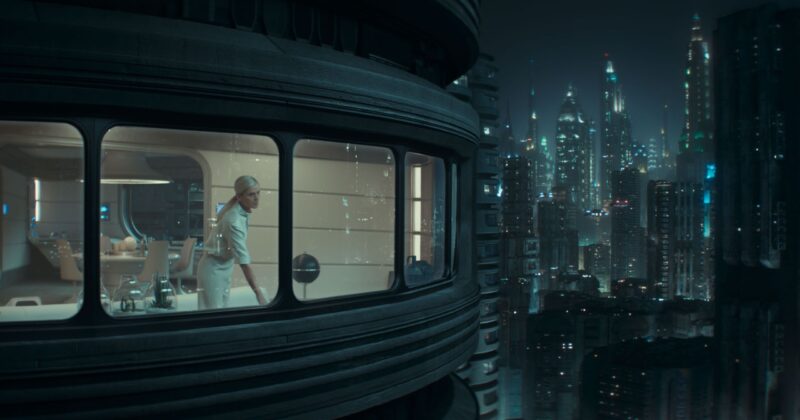
One of Andor’s greatest strengths is accessibility. For longtime Star Wars devotees, the series is packed with subtle Easter eggs and sly references. Yet, it’s crafted ingeniously so that newcomers need not be fluent in forty years of galactic history to be swept up in its intrigue—24 punchy episodes open a vast universe through a personal, human lens. The vivid set designs, grounded sci-fi technology, and morally ambiguous characters make Andor a perfect gateway for viewers dipping a toe into the saga for the first time.
It also helps that the cast, anchored by Diego Luna as Cassian and Stellan Skarsgård as Luthen Rael, deliver some of the most layered performances in Star Wars history. Their portrayals transform moments of quiet fear or defiant courage into scenes charged with real-world relevance, echoing resistance movements past and present.
Andor’s Place in Modern Sci-Fi
In a streaming landscape saturated with science fiction and space operas, Andor stands out for its rare balance of thrilling espionage, political commentary, and serendipitous worldbuilding. While many Star Wars entries have become beloved for their mythic scale, Andor’s mature narrative and emotionally invested cast ensure it will remain influential—both within the Star Wars universe and the broader realm of serialized science fiction.