Why the Anticipation and Tension Around the Next Hogwarts Legacy Is So Intense

The Landmark Success of the First Hogwarts Legacy
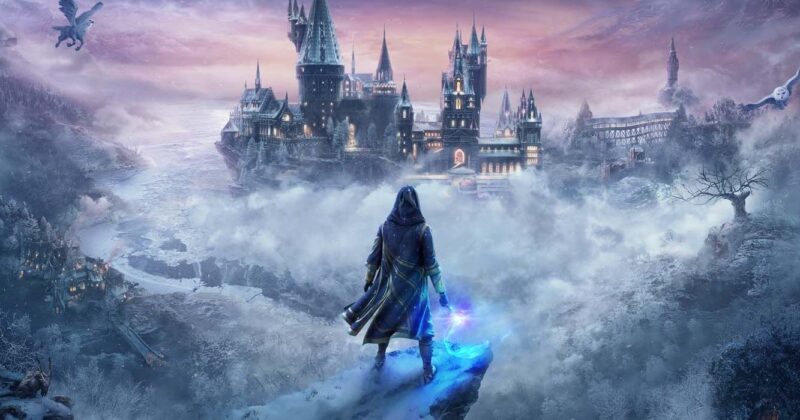
Hogwarts Legacy broke records when it launched, quickly establishing itself as a defining single-player experience for an entire generation of gamers. Warner Bros. Interactive reaped the rewards of this magic-infused open-world RPG, which continues to hold top rankings for total play hours on the PlayStation 5. The appetite for wizarding adventures hasn’t waned—especially on PC, where mods keep the experience fresh and extremely replayable.
Developing the Sequel: Risks of Speed vs. Depth
With this unprecedented success, it’s no surprise that development for the next Hogwarts Legacy has already shifted into gear. Avalanche Software, after moving past the original game without delivering the robust DLC that many expected, now faces an even greater challenge: shaping a sequel that both expands and deepens the experience. However, the promise of a new entry landing in the near future has sparked heated debate among fans and insiders about whether such a tight development window can deliver a truly standout sequel.
Fans Are Cautiously Hopeful, Yet Skeptical
Longtime players are vocal about what they felt the original game lacked, particularly in the areas of narrative consequence and world interactivity. Criticisms linger around unresolved topics in the first game, such as the absence of significant house point systems, limited story branching, and a feeling that spellcasting—even dark magic—went largely unchallenged by the game’s world or characters. For a sequel, expectations go far beyond just technical polish; the story and choices need to feel meaningful, and the castle’s magic should react dynamically to a player’s path.
The Pressure on the Sequel: Community, Competition, and Pop Culture
What raises the stakes even more is the expanding Harry Potter fanbase, alongside the surge of related media like the upcoming HBO series. The next Hogwarts Legacy is arriving at a moment when audiences are hungrier than ever for immersive wizarding experiences and, crucially, are far less willing to accept a cut-and-paste sequel. This isn’t just about recapturing lightning in a bottle—now it’s about evolving the formula, respecting the lore, and offering true innovation in RPG mechanics and storytelling.
Technical Details and Current Features
The first game ran on Unreal Engine 4 and, despite being praised for its visual and narrative ambitions, did not feature crossplay or cross-platform multiplayer. It did, however, allow for cross-save functionality as long as players were logged into the same account and connected to the internet. With high critic scores and engagement, the game established a benchmark for what a top-tier Harry Potter RPG should deliver going forward, setting an intimidating standard for its successor.
What the Community Wants Next
- Deeper Role-Playing Systems: Fans crave a world where house choices, spells, and allegiances make a noticeable impact on gameplay and plot, with real consequences for actions.
- Expanded Interactive Hogwarts: An even more lively and reactive castle and magical world, full of secrets, interconnected quests, and evolving storylines.
- Integrative Content Releases: While DLC was almost entirely absent from the first installment, many want modular additions—new classes, magical creatures, or even multiplayer dueling—delivered in a way that keeps the world engaging long-term.
As anticipation for the sequel grows, every piece of news makes an impact. The magic world awaits, hoping the next entry will be as groundbreaking as the castle it’s set in.