The Enduring Legacy of Tombstone and Kurt Russell’s Creative Struggle
Kurt Russell’s journey with the Western classic Tombstone remains one of the most fascinating paradoxes in film. While audiences and critics have long celebrated the film as a defining chapter in the Western genre, Russell himself continues to wrestle with disappointment over what he viewed as its unrealized potential. The reason? According to Russell, the finished film fell short of the brilliance he saw in its screenplay—an issue rooted in production challenges and creative compromises that still linger with him.
From Script to Screen: Where Did Tombstone Diverge?
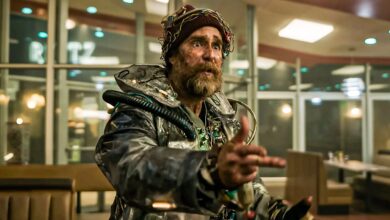
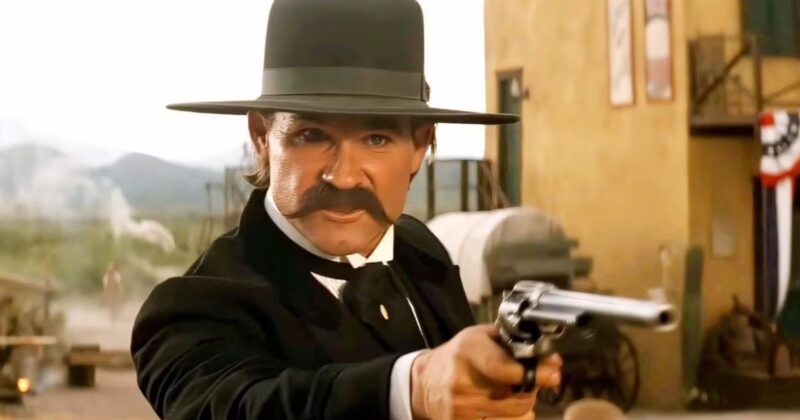
Tombstone boasts an iconic cast, from Val Kilmer’s dazzling take on Doc Holliday to the stone-faced heroics of Russell’s Wyatt Earp. The script promised even more, with layers of character and emotional depth that elevated it beyond many typical Westerns. Russell, who began as a child star before breaking out with cult hits like Escape from New York and the sci-fi horror masterpiece The Thing, brought gravitas to the role of Earp. Yet, as he revealed during recent press for Apple TV’s Monarch: Legacy of Monsters, production turmoil—including directorial changes and budget mishaps—meant the team was forced to make tough decisions on the fly.
“The movie is not as good as the screenplay. I’ll never make peace with that. It could have been way better,” Russell said, highlighting the frustration of knowing a project’s true potential from the inside. For viewers, Tombstone is a near-perfect Western. For Russell, it’s a lasting reminder of what might have been if the original vision had reached the screen fully intact.
Anatomy of a Modern Western Epic
Directed by George P. Cosmatos and written by Kevin Jarre, Tombstone follows legendary lawman Wyatt Earp, his loyal brothers, and his friend Doc Holliday as they face down the notorious gang known as The Cowboys in a dangerous town teetering between lawlessness and civilization. With scene-stealing performances from Sam Elliott, Bill Paxton, and Kilmer, and action sequences that pushed the boundaries of ‘90s Western cinema, the film has since racked up an impressive audience score—holding a 93% Popcornmeter and a 76% Tomatometer on Rotten Tomatoes.
These scores only reinforce the divide between public adoration and Russell’s personal regret. Fans praise its relentless pacing, memorable one-liners (“I’m your huckleberry…”), and its place as perhaps the definitive retelling of the O.K. Corral showdown. Yet, in Hollywood and cinephile circles, there’s a persistent curiosity about what was lost during those turbulent months of shooting and rewrites.
Pop Culture Impact and Ongoing Influence
Tombstone’s influence is visible across the entertainment landscape. For many, it remains the gateway film that revived interest in Westerns for a new generation—spawning memes, cosplay, and endless social media debates about who delivered the best silver screen Doc Holliday. Kilmer’s performance is etched in the pop culture hall of fame, while Russell’s stoic intensity has set the bar for antihero lawmen.
The modern streaming era has only expanded the film’s reach. Currently available on AMC+, Tombstone is regularly rediscovered by fans old and new, spurring think pieces and behind-the-scenes documentaries that delve into its near-mythic production backstory.
Kurt Russell Today: Still Shaping Cinematic Worlds
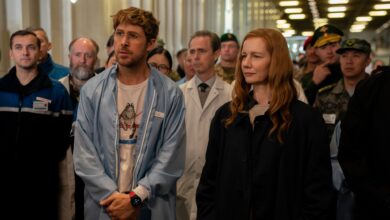
Russell’s career continues to flourish, with recent roles in blockbuster franchises—most notably as a central figure in Monarch: Legacy of Monsters on Apple TV, where he stars alongside his real-life son, Wyatt Russell. Despite his ongoing success, Tombstone endures as the film that both defined and vexed him, a touchstone for Western aficionados and a lasting ‘what if’ in cinematic history.