The Forgotten Cinematic Roots of Crouching Tiger, Hidden Dragon’s Epic Tale

Unveiling the Cinematic Legacy Behind Crouching Tiger, Hidden Dragon
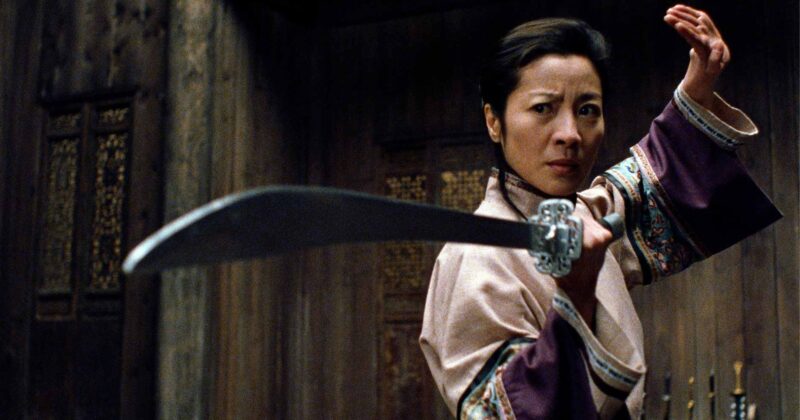
When Ang Lee introduced the world to Crouching Tiger, Hidden Dragon, audiences were swept away by the film’s ethereal swordplay, evocative Chinese landscapes, and a nuanced exploration of honor and love. Yet, beneath its lush cinematography and genre-defining action sequences lies a narrative foundation that precedes Ang Lee’s masterpiece by decades—and carries an almost mythical status among martial arts aficionados.
The Wuxia Blueprint: Rape of the Sword
Long before the international success of Crouching Tiger, Hidden Dragon, the martial arts genre thrived on stories set in ancient China. Sword-wielding heroes, arcane codes of chivalry, and the pursuit of legendary weapons shaped iconic films throughout the 1960s. Among these gems was Rape of the Sword, a Shaw Brothers classic that, while seldom discussed outside of specialist circles, is widely regarded as an early adaptation of the same 1940s wuxia novel that would inspire Ang Lee’s film.
Directed by Yueh Feng and expertly choreographed by the renowned Yuen Woo-ping, Rape of the Sword uniquely positions two women—one, a princess, the other, seemingly her loyal servant—at the center of its action. Underneath her demure exterior, the servant is a fiercely skilled widow seeking vengeance for her husband and aiming to reclaim a mystical sword of immense power. Together, they face down Prince Wu Yi, a formidable adversary with his own designs on the coveted weapon. Their journey draws in a righteous bandit chief, creating a tangled web of alliances and betrayals that echo the rich character work later seen in Crouching Tiger, Hidden Dragon.
Parallels and Powerful Heroines
Although character names and some narrative specifics differ, the connections between Rape of the Sword and Crouching Tiger, Hidden Dragon are not mere coincidence. Both center on dynamic, complex female protagonists whose relationships anchor the story’s emotional core. The quest for a legendary sword serves as a narrative catalyst, pushing the women into morally ambiguous territory where justice and personal longing frequently intersect.
Such plot elements would make their way into countless modern wuxia epics as well as genre-blending films across Asia, illustrating the enduring appeal of these archetypal journeys. The baton of strong female representation in film—often sidelined in Western sword-and-sorcery traditions—finds one of its purest expressions in these Chinese stories, highlighting motifs of loyalty, revenge, and hidden identity in ways that still feel fresh for global audiences.
A Legacy Continued: A Taste of Cold Steel
The legacy of Rape of the Sword doesn’t end with a single film. Shaw Brothers would release an inventive sequel, A Taste of Cold Steel, which pivots away from the source novel and spins a new tale centered on the villainous Prince Wu Yi. Here, the notorious Prince sets his sights on the enigmatic Purple Light Sword, only to unwittingly stoke new rivalries. His recruitment of a ruthless bandit gang leads to unforeseen chaos, culminating in a three-way standoff among new and old adversaries. The sequel reinvents its formula by focusing on fresh protagonists, notably three sisters and a lone swordsman, keeping the storied Shaw Brothers trademark of inventiveness alive.
This narrative experimentation paved the way for wuxia’s ongoing evolution, with elements from these classics surfacing in modern martial arts games, high-octane streaming series, and anime that borrow from the same wells of legend and visual grandeur.
The Global Impact and Continuing Influence
Crouching Tiger, Hidden Dragon did more than break box office records—it rekindled international fascination with wuxia and inspired a renewed appetite for Asian cinema in the streaming era. The film’s core themes and choreography can be traced back to these earlier gems, and their DNA lives on in new formats, from action-adventure apps to episodic dramas on popular platforms.
The journey of these stories, from mid-century silver screen epics to global pop culture landmarks, speaks to the timeless power of mythic storytelling. For fans of action, fantasy, and complex character drama, tracing the roots of Crouching Tiger, Hidden Dragon is not just a history lesson—it’s an invitation into the shared imagination that continues to shape film, gaming, and narrative craft in 2026 and beyond.