How a Clone Wars-Style Animated Series Could Save the Star Wars Sequels

The Quest to Redeem the Star Wars Sequel Trilogy
The Star Wars sequel trilogy—comprised of three polarizing entries—continues to generate heated debate across fandoms. From the exhilarating return of legacy characters to the controversial plot twists and divisive finale of The Rise of Skywalker, even dedicated fans acknowledge the trilogy’s issues. The question remains: is there hope for meaningful redemption?
The Power of Canonical Animated Expansion
For those steeped in Star Wars lore, the answer might be found by looking back at what revitalized the prequel era: Star Wars: The Clone Wars. This acclaimed animated series didn’t just fill in the gaps between live-action films—it elevated the stories, granted depth to characters like Anakin Skywalker, and gave new context to beloved and overlooked plotlines. By immersing audiences in the nuanced politics and epic battles of the galaxy, The Clone Wars became an essential piece of Star Wars canon.
What Could a Sequel Trilogy Clone Wars Achieve?
A serial animated project set during the timeline of the sequels could provide desperately needed context to the First Order and Resistance conflict. Imagine entire story arcs dissecting the origins of the First Order—who funded it, who trained its soldiers, and why the Republic was so unprepared. The creation of Starkiller Base, the formation of Leia’s Resistance, and the whispered shadow of the Sith could all become intricate story threads rather than background exposition.
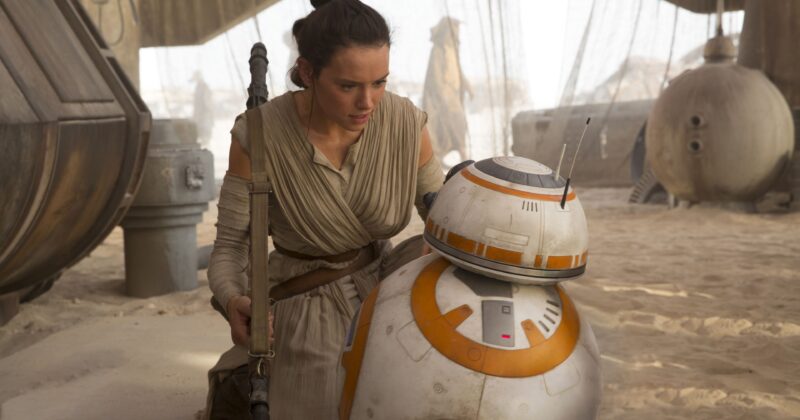
Unlike the sequels, which often felt rushed, an ongoing animated series could take the time to develop Rey’s life on Jakku, the political manipulations that led to the Republic’s downfall, and the moral struggles of Ben Solo before his fall. We could finally see how General Leia galvanized support for her cause, lifting her leadership from the margins of epic battle montages to the center of Star Wars’ myth-making.
Why The Clone Wars Succeeded Where Others Stumbled
At its release, the prequel trilogy was far from universally beloved. Fans cited wooden dialogue, CGI excess, and character inconsistencies. The Clone Wars animated series rewrote that narrative, giving Anakin dimension and showing the heartbreak and heroism behind his transformation. Key moments—like his friendship with Ahsoka Tano and camaraderie with Obi-Wan—reshaped the audience’s perspective, turning past criticisms into strengths. Politics, romance, and the fates of secondary characters like Darth Maul became essential viewing, rendering the galaxy more layered and tragic.
The prequels benefited from a narrative window: three years between Attack of the Clones and Revenge of the Sith in which The Clone Wars could unfold. This provided a playground for storytellers to expand and enrich Star Wars lore without contradicting the films’ core events.
The Challenge Facing a Sequel-Era Series
The main obstacle to a sequel-era Clone Wars is timing. The films are set in rapid succession—the war between the First Order and Resistance flares up at the start of The Force Awakens, continues immediately in The Last Jedi, and is mostly resolved by the end of The Rise of Skywalker. The compressed timeline leaves little room to weave sprawling, multi-season stories into the existing fabric.
Attempts have been made—Star Wars Resistance tried to serve this purpose, centering its first season just before The Force Awakens. Despite enthusiasm, the series struggled to find its footing and was canceled after two seasons, lacking the complexity and resonance that made The Clone Wars a phenomenon.
The Academy Years: The Last Untapped Frontier
If the timeline between the films is too crowded, the era of Ben Solo at Luke Skywalker’s Jedi Academy remains the final, fertile ground for exploration. Here, stories could trace Ben’s fragile path from promising Jedi to tormented Kylo Ren, unravel the political climate that allowed the First Order to rise, and showcase Leia’s undercover work forging the Resistance. Cameos from young Rey scavenging on Jakku, or flashbacks exploring the fate of her parents detailed in Shadow of the Sith, would effortlessly bridge new and old storylines. Such a show could finally bring cohesion, emotional depth, and a sense of purpose to the sequels’ narrative legacy, turning scattered plot points into grand Star Wars opera.