The Enduring Impact of GLOW’s Sudden Cancellation on Netflix
Among the many series Netflix has released in the last decade, GLOW remains a singular loss—a bold experiment in both theme and style that still resonates loudly within pop culture discussions. Inspired by the real-life Gorgeous Ladies of Wrestling (GLOW) from the 1980s, this series carved its space as a whip-smart dramedy, blending neon-soaked spectacle with sharp examinations of gender, friendship, and the entertainment industry.
The Unmatched Chemistry and Vision Behind GLOW
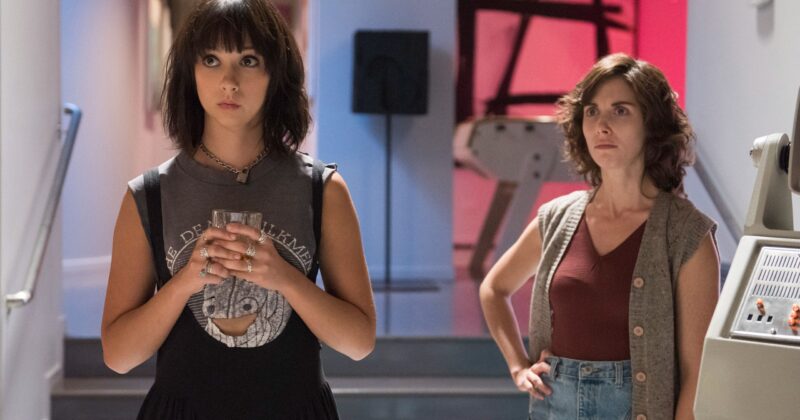
From the opening scene, GLOW distinguished itself. The ensemble cast, led by Alison Brie, Betty Gilpin, and Britt Baron, showcased a level of chemistry rarely seen in contemporary series. GLOW quickly earned critical acclaim, boasting a staggering 93% positive rating on Rotten Tomatoes throughout its run. It was praised not only for its powerful performances but also for its writer’s deft navigation of deeply personal narratives layered with genuine humor and societal critique. The creative team, including showrunner Liz Flahive, tackled nuanced issues like institutional sexism, racism, and cultural appropriation—subjects too often glossed over in mainstream TV centered on women.
A Show That Raised the Bar for Representation
GLOW didn’t just break ground with its focus on women’s wrestling; it became a rare show where diverse female characters received complex, emotionally rich storylines. When critiques over a narrative shift toward the white leads arose, main cast members lobbied for more equitable arcs, demonstrating the show’s commitment to authenticity and representation. Unlike many ensemble shows, GLOW resisted tropes of one-dimensional female solidarity, instead offering flawed, relatable characters struggling with ambition, identity, and friendship both inside and outside the ring.
The Chain Reaction of Cancellation
Production on the highly anticipated fourth season was abruptly halted early into filming due to the challenges brought on by the COVID-19 pandemic. Unlike other series that eventually resumed with protocol adjustments, GLOW’s unique physical demands for close-contact wrestling made safe production temporarily impossible. Ultimately, Netflix opted not to resume filming. What stings most for fans—and for Alison Brie, who called the decision ‘the great heartbreak of my career’—is how tantalizingly close the show was to completing its story, with a final season already greenlit and in production.
An Unfilled Void in Streaming Content
Years later, the absence of GLOW leaves a noticeable void on the platform. Despite trends toward longer gaps between seasons for major series, nothing has matched GLOW’s blend of genre-bending storytelling and cultural critique. Its bold synthesis of serialized drama and meticulously choreographed wrestling montages offered a creative blueprint that no other show has managed to follow. As the industry continues to wrestle with issues of representation and how stories are told, GLOW’s abrupt halt serves as a case study in the consequences of cutting short original, ambitious projects.
Why Rewatching GLOW Is Still Essential
For anyone exploring the landscape of modern television, GLOW’s three existing seasons remain essential viewing. They encapsulate a moment when streaming platforms embraced risk, casting, and stories outside the usual molds. Alison Brie and the rest of the cast deliver performances loaded with energy and pathos, while the show itself stands as a vibrant time capsule of creative possibility that streaming giants would do well to remember.