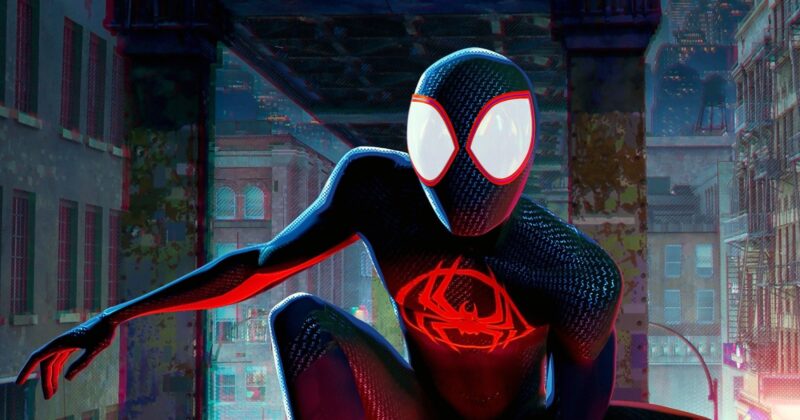
Spider-Man: Beyond The Spider-Verse Delays Highlight How Avengers: Endgame Changed the Superhero Movie Playbook

The Unique Challenge of Massive Superhero Conclusions
The recent updates regarding the development delays for Spider-Man: Beyond The Spider-Verse have reignited discussions about the sheer achievement of Avengers: Endgame. While fans of animation and superhero films eagerly await Miles Morales’ next adventure, there’s a growing understanding in the entertainment industry about the complexity involved in creating a satisfying conclusion for a multi-year, multi-film saga.
What Sets Endgame’s Achievement Apart
Avengers: Endgame didn’t just wrap up a storyline—it concluded over a decade of interconnected narratives. Few films in cinematic history have been tasked with such a monumental storytelling and commercial challenge, yet Endgame managed to earn over $2.7 billion at the box office and unite generations of fans. The impact is still felt in how studios view their big tentpole projects, particularly within the superhero genre.
For context, the creative team behind Spider-Man: Beyond The Spider-Verse—notably writers and producers Phil Lord and Chris Miller—have opened up about the intense difficulty of splitting their story into two films and still delivering an emotionally resonant climax. The trilogy, originally intended as a two-part saga, had to be carefully restructured, requiring the creators to dismantle and reassemble key narrative arcs so everything lands with impact. According to Miller, this decision to find a new narrative rhythm for the final installment introduced considerable delays, and highlights the countless variables that go into making sure the end of a beloved saga feels earned.
Comparing Multi-Part Sagas—and Why Endgame Still Stands Out
What makes all of this remarkable is how Avengers: Endgame had to take on a similar narrative puzzle, crafting a story that felt whole after the dramatic cliffhanger of Avengers: Infinity War. The ending of Infinity War, with its universe-shattering Snap, marked a bold creative risk, forcing Endgame to pick up in a world turned upside down. Achieving coherence from such a starting point is no small feat, especially given expectations from audiences invested in dozens of characters and story threads.
The ongoing struggles reported around Beyond The Spider-Verse make Endgame’s final product shine all the more. Even now, that MCU capstone is considered the yardstick for large-scale cinematic storytelling—a rare blend of action set-pieces, emotional payoffs, and satisfying closure. As more studios chase that formula, the nuances and hurdles of pulling it off are becoming increasingly visible.
The Road Ahead: Beyond The Spider-Verse and the Multiversal Challenge
The calendar is lining up for a pivotal moment in the superhero film landscape. Not only will Spider-Man: Beyond The Spider-Verse be grappling with how to give closure to Miles Morales’s dimension-spanning saga, but Marvel Studios is simultaneously preparing Avengers: Secret Wars. Both of these high-profile releases will be tasked with ending their respective multi-film arcs, mirroring Endgame’s undertaking.
Yet even with sky-high anticipation, box office projections alone suggest that surpassing Endgame’s cultural and financial impact may remain elusive—despite modern audiences being more than ever open to serialized, universe-spanning franchises. What fans and creators can anticipate is a fascinating comparison of storytelling approaches, animation versus live action, and the endless possibilities that the multiverse narrative unlocks for these contemporary franchises.
Why Even Delays Matter
Every delay or narrative pivot underscores just how intricate these projects have become. For audiences, there’s the reassurance that such blockbusters aren’t just content factories but collaborative feats involving storytelling precision, technical innovation, and a deep respect for characters beloved around the world. The fact that Endgame’s shadow looms so large over every new event film is itself a testament to how high the bar has been set in modern blockbuster cinema.