Rediscover Martial Arts Mastery: The Timeless Brilliance of The Lady Hermit & Its Secret Sequel Black Tavern

The Enduring Allure of Female-Led Martial Arts Cinema
True connoisseurs of martial arts cinema know that the spotlight on women warriors didn’t begin in modern Hollywood; it flourished decades ago, especially in the vibrant Hong Kong film scene. Among the genre’s most compelling pioneers stands Cheng Pei-pei, lauded for breaking ground as the original female action hero and celebrated especially for her iconic swordplay and magnetic presence. Before global audiences praised recent female-driven sagas, classics like My Young Auntie and A Touch of Zen were entrancing fans with powerful, multi-dimensional heroines.
The Lady Hermit: A Riveting Journey of Mentorship and Martial Mastery
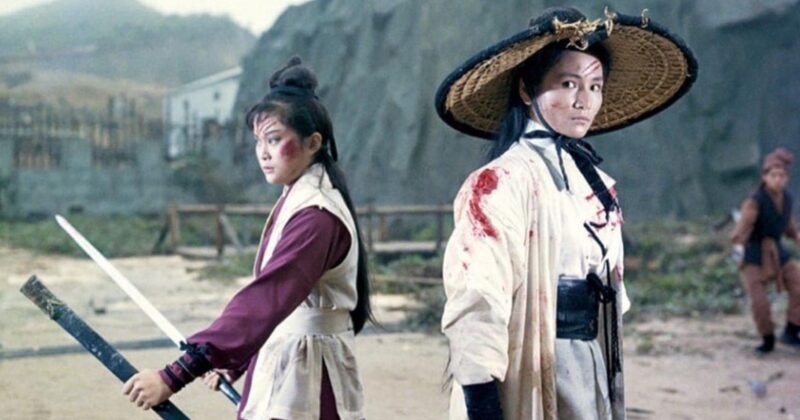
The Lady Hermit is more than a period swordswoman epic—it is a nuanced tale interweaving mentorship, rivalry, and romance. Cheng Pei-pei embodies a legend in self-imposed exile, a woman whose fearsome reputation precedes her. But when Shih Szu’s determined young fighter arrives, flames of ambition and admiration are kindled, giving rise to a profound master-student dynamic. Their relationship evolves through training sequences rich in intensity and choreography, while also being emotionally complex—as both women grapple with their affection for the charismatic Lo Lieh.
Shih Szu, while less renowned outside dedicated circles, is essential viewing for martial arts aficionados, particularly for her performances in classics like Avenging Eagle and Shaolin Temple. In The Lady Hermit, she emerges not just as a protégé but as a genuine co-lead—idealistic, skilled, and seeking both glory and belonging. The interplay between her and Cheng Pei-pei is the film’s emotional engine, allowing both characters to shine beyond stock hero archetypes. The Lady Hermit remains a masterclass in balancing narrative depth with spectacular action choreography, making every clash and character revelation count.
Black Tavern: Mystery, Intrigue, and a Pioneering Continuation
A true rarity in martial arts film history is the ‘stealth sequel,’ and Black Tavern delivers on this front with style. Without advertising its connections, the film quickly reveals that Shih Szu’s white-clad swordswoman continues her journey from The Lady Hermit. Reflecting a ‘passing of the torch,’ the focus now follows the student’s solo odyssey, deepening the character’s journey and cementing her legacy in the genre.
Black Tavern trades the romantic undertones of its predecessor for a brooding atmosphere filled with suspicion and deception. The plot centers on a shadowy inn where various morally ambiguous fighters converge, each chasing a rumored fortune. The narrative’s tension is heightened by shifting motives and loaded encounters, with Shih Szu’s enigmatic heroine standing at the story’s core. Just as in many great martial arts films, the villain becomes essential: Ku Feng delivers an unforgettable performance as a whip-wielding antagonist—chilling, theatrical, and utterly magnetic. His presence enriches every scene he inhabits, elevating the stakes and providing the sort of dark charisma fans crave from genre classics.
Legacy and Technical Mastery
Both The Lady Hermit and Black Tavern are testaments to Shaw Brothers’ enduring influence on martial arts storytelling. Their meticulous set design, fluid fight choreography, and deep character arcs offer a benchmark for what the genre can achieve. Practical camera work captures every move in kinetic detail, while production values remain a gold standard for period martial epics.
For anyone serious about martial arts movies or cinematic history, these films aren’t just required viewing—they are blueprints. They highlight the artistry behind narrative-driven action and reveal how empowered female leads have always been integral to the genre’s most treasured tales. Dive into these classics for a rediscovery of why martial arts cinema remains a vital and ever-evolving force in pop culture.