The Ultimate Chucky Movie Guide: Exploring Every Child’s Play Film in Order

The Ongoing Legacy of Chucky: Child’s Play From Cult Classic to Horror Icon
When horror aficionados rank the slasher greats, it’s easy to gravitate toward the masked legends of Halloween or Friday the 13th, but Chucky has carved out a place of his own in the pantheon of nightmares. Unlike many slashers whose flames flickered out in the late twentieth century, the Child’s Play saga has endured, evolving with changing tastes and fresh creative risks to keep audiences engaged and on edge.
Child’s Play: The Birth of a Killer Doll
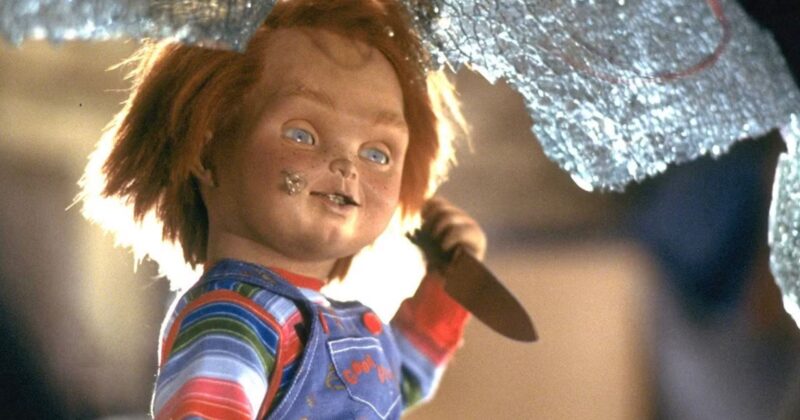
Debuting at a pivotal moment when the slasher bubble was starting to deflate, the original Child’s Play delivered a chilling new horror: a children’s toy turned conduit for a deranged soul. Chucky, voiced by the masterful Brad Dourif, fused innocence with terror as he set out to torment young Andy and his family. The unsettling juxtaposition of childhood comfort and deadly malice tapped into a primal fear, with critics and box office numbers both taking notice. The film’s influence persists in pop culture, evident every time a red-haired doll sends shivers down a collector’s spine.
Child’s Play 2: Building the Franchise Mythos
Sequels are a staple of horror, often arriving on lean budgets and rapid timelines. Child’s Play 2 swiftly followed, sustaining momentum where many franchises struggled. The story picked up as Chucky tracks Andy to foster care, expanding both the mythology and the body count. While it faced tougher critical scrutiny, its financial success solidified Chucky’s enduring appeal, and horror fans recall its memorable toy factory showdown as a genre highlight.
Child’s Play 3: Controversy and a Genre in Flux
With Child’s Play 3, the narrative leaped years ahead, sending a teenage Andy to military school. This entry is often remembered less for its scares than for real-world controversy, as discussions swirled about media influence. Nevertheless, the militaristic setting and the film’s darker tone added a unique twist to the familiar formula, though its critical and commercial performance suggested the series needed a new direction.
Bride of Chucky: Horror Meets Black Comedy
Chucky’s return in Bride of Chucky embraced the absurd with unapologetic glee. Introducing Tiffany (the unforgettable Jennifer Tilly), the franchise took a self-aware detour, blending macabre romance with gleeful camp. By acknowledging the inherent goofiness of killer dolls in love, this reinvention connected with a new generation. The shift not only reversed the franchise’s fortunes at the box office but also set a template for playful, meta horror that would influence peers like Scream.
Seed of Chucky: Subversive and Ahead of Its Time
Rarely does a horror franchise go as boldly unconventional as Seed of Chucky. This film placed Chucky’s offspring, Glen/Glenda, front and center, weaving LGBTQ+ themes into its blood-spattered tapestry. Long before mainstream horror explored such identities, creator Don Mancini offered a surprisingly thoughtful exploration of gender fluidity—earning the film a cult following and making Chucky a queer horror icon.
Curse of Chucky: Back to Bloody Roots
After years of gore-soaked comedy, Curse of Chucky returned the franchise to its dark, suspenseful origins. Packaged as a streamlined, straight-to-video release, it introduced Nica Pierce (played by Fiona Dourif), connecting the legacy of Chucky’s original voice with a new heroine. By dialing back the camp and focusing on claustrophobic horror, this installment revitalized the killer doll for the streaming age, striking a chord with longtime fans and newcomers alike.
Cult of Chucky: A Franchise Convergence
With Cult of Chucky, the narrative threads unite. Nica’s psychological unraveling intersects with the return of Andy Barclay, creating a tapestry that spans generations of Child’s Play lore. The film innovates within its own mythos, allowing Chucky’s soul to possess multiple dolls simultaneously, escalating the stakes and chaos. This film stands as proof that even after decades, the franchise isn’t afraid to experiment, weaving together horror history, genre commentary, and technical dexterity in practical effects and modern digital enhancements.
Chucky’s Cultural Impact and Modern Revival
Chucky’s cinematic journey extends beyond the silver screen, recently gaining new life in serialized TV storytelling and interactive media. The cult of Chucky thrives in the digital era—across memes, collectibles, and horror marathons—showcasing the franchise’s adaptability and permanent place in pop culture. Fans can revisit these films on streaming platforms or experience Chucky in various forms, from video games to themed attractions, solidifying his status as one of horror’s most resilient figures.