Why Majora’s Mask Deserves the Next Big LEGO Set and an Official Comeback

The Enduring Legacy of Ocarina of Time
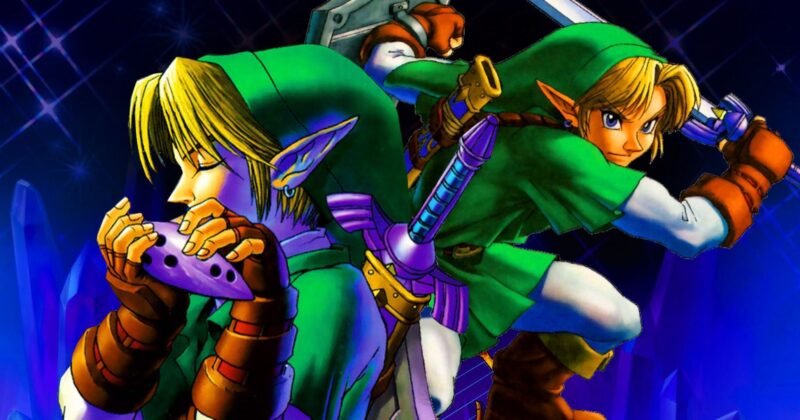
The Legend of Zelda: Ocarina of Time continues to hold firm as a cultural phenomenon in the world of video games. Decades after its original debut, the game remains a benchmark for action-adventure titles and serves as the gold standard for narrative design, dungeon-building, and epic boss battles. Its impact resonates in both game development studios and the hearts of fans, bringing about remakes, adaptations, and, most recently, an official LEGO set that recreates the legendary final showdown between Link, Zelda, and Ganon.
Ocarina of Time LEGO Set: A Collector’s Dream
Nintendo’s launch of the Ocarina of Time LEGO set was more than just a nostalgia trip—it was a statement about the unstoppable popularity of the Zelda franchise. Priced for committed fans and collectors, the set features detailed minifigures, more than a thousand interlocking pieces, and iconic set pieces that make building the final battle an event in itself. Yet, with this release, a glaring omission stands out: the sequel that took Zelda in a bold and unforgettable direction.
It’s Time for Majora’s Mask to Shine
Just a few years after Ocarina of Time, Nintendo released Majora’s Mask, an entry that would define what it means for a franchise to take risks. Set in the eerie, time-twisted land of Termina, the game explores darker themes and innovative mechanics, introducing a world where time was always slipping away and every character had a story to tell. For many veteran gamers, Majora’s Mask represents the creative apex of the series—a surreal, sometimes unsettling, and profoundly emotional journey unlike anything else in the Zelda universe.
The Unique Appeal of Majora’s Mask
What sets Majora’s Mask apart is its tone and iconography. From the all-seeing, ominous Moon that threatens to doom the world, to the transformative powers of the game’s titular artifact, and a deeply emotional side-cast, this is Zelda at its most imaginative. The structure revolves around a repeating three-day cycle, with the player rewinding time in order to save a world on the edge. These gameplay innovations made Majora’s Mask a cult favorite, ripe for expanded merchandise and celebration.
LEGO Possibilities: Beyond the Clock Tower
The creative potential for a Majora’s Mask LEGO set is staggering. Imagine a buildable, display-worthy version of Majora’s twisted mask as a collector’s centerpiece, a clock tower with intricate moving parts, or even a set featuring the final Moon battle complete with a Fierce Deity Link minifigure. The set pieces would not only appeal to Zelda completionists but to anyone fascinated by uncanny, imaginative design assembled brick by brick.
Given the popularity of other LEGO crossovers with iconic games—from Mario to Sonic—it seems inevitable that Nintendo would look to Majora’s Mask as a way to deepen their partnership with LEGO and satisfy demand from a passionate community of fans and builders.
Merging Nostalgia, Pop Culture, and New Technology
The potential for Majora’s Mask goes far beyond physical collectibles. With current emulation and upscaling projects giving the classic game a new lease on life in 4K, and rumors swirling about upcoming remasters, a synchronized launch of a LEGO set and a rerelease of the game would generate excitement on a global scale. As Nintendo celebrates anniversaries and milestones, putting the spotlight on Majora’s Mask isn’t just what fans want—it fits perfectly with the industry trend of fusing retro nostalgia with innovative merchandising and modern gaming tech.
For now, Zelda fans keep their eyes on the horizon for more announcements. Whether you grew up saving Termina from destruction or you’re experiencing the tale for the first time, the time is right for Majora’s Mask to step out of the shadows and claim its place alongside Ocarina of Time in both digital and collectible form.