The Reluctant Embrace of Comic Authenticity in Modern Superhero Films
Superhero movies have conquered mainstream cinema, filling theaters and shaping pop culture conversations, yet a persistent divide remains between these adaptations and their comic origins—especially in how iconic costumes are portrayed. While the stories are inspired by legendary source material, filmmakers consistently hesitate when it comes to truly authentic superhero attire on screen. Understanding this resistance requires a closer look at the evolution of the genre and the ongoing push-pull between creative expression and fan expectation.
From Golden Age Faithfulness to Cinematic Reinvention
The earliest comic adaptations in the mid-20th century were determined to win over the established fanbase. Black-and-white serials and TV specials like the original Superman and Batman projects embraced outlandish costumes right out of the comics, making characters instantly recognizable for dedicated readers. This tradition continued into the 1990s, with key properties like Tim Burton’s Batman films showcasing reimagined yet still familiar versions of Gotham’s icons, blending heightened theatrics with the visual language of comics.
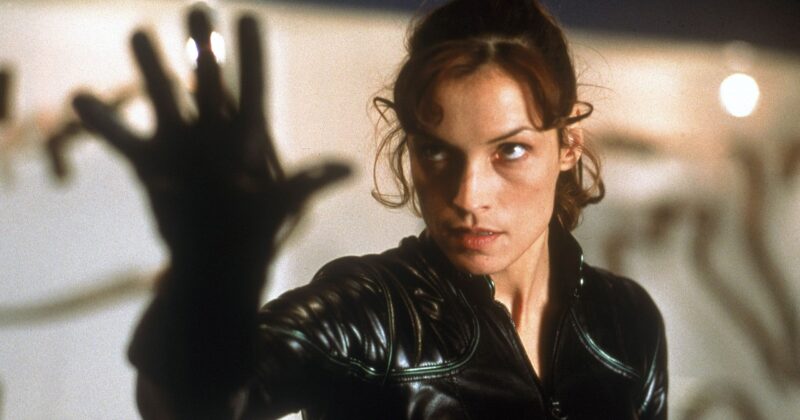
But change accelerated as superhero movies entered the blockbuster era. A pivotal shift arrived with the release of Bryan Singer’s X-Men adaptation. Instead of colorful, comic-accurate uniforms, audiences were introduced to black leather suits—outfits designed to blend with other contemporary action movies rather than to mirror the vibrancy of Marvel’s art. This choice set a trend across the genre: costumes became muted, grounded, and engineered to suit a more ‘realistic’ universe. The growth in mainstream appeal was undeniable, but the aesthetic core of many beloved heroes seemed lost in translation.
The Art and Dilemma of Adaptation
Frequently, adaptations take one of two approaches. Some strive for a page-to-screen translation, aiming to evoke the precise look and feel of their source material. This route is risky, as it risks alienating a wider audience unfamiliar with the comics. Alternatively, many projects make intentional departures, seeking a fresh interpretation that works for the screen, even if it departs drastically from the comics. Both paths come with trade-offs: authenticity may thrill core fans but perplex newcomers, while reinvention can draw mass appeal but disappoint purists.
The challenge is finding balance. Successful adaptations tend to preserve the essence of characters and narratives while tweaking visuals for cinematic effectiveness. Still, as evident in recent projects, certain elements—particularly extravagant costumes—continue to be sacrificed or sidelined for a more grounded aesthetic.
Modern Examples: Progress and Setbacks
The upcoming Lanterns series in the new DC Universe spotlights this ongoing debate. Early trailers have left fans puzzled: Hal Jordan’s Green Lantern suit appears distant from its comic inspiration, trading the iconic vibrant green for duller, earthy tones. Such creative choices remain controversial, especially when the source material’s visual identity is central to decades of character history. Fans anticipate surprises in full episodes, but the initial avoidance of signature colors highlights Hollywood’s enduring caution.
Across the Marvel Cinematic Universe, costumes also continue to deviate in style and tone. Some comic-accurate looks do surface, but usually as brief Easter Eggs or playful references—think Professor X’s yellow hoverchair or Wanda Maximoff’s classic Scarlet Witch attire shown during Halloween in ‘WandaVision.’ For most heroes, costumes are designed to fit the broader narrative and branding of the MCU, blending influences rather than copying the original blueprints.
Growing Demand for Comic-Accurate Costumes
The appetite for authenticity among fans is stronger than ever. Recent animated projects like X-Men ’97, Justice League Unlimited, and Avengers: Earth’s Mightiest Heroes are widely celebrated for embracing the full spectrum of color and detail seen in the comics. These successes demonstrate that audiences are ready—and even eager—for live-action heroes to bring the same level of visual faithfulness to the big screen.
Encouragingly, there are signs of change: early glimpses of titles like The Fantastic Four: First Steps and new MCU properties suggest a willingness to revisit more comic-accurate visuals. Even so, live-action adaptations remain cautious compared to their animated counterparts. The reason? Costume design in blockbuster films has to consider practicality, actor comfort, marketing, and the challenge of rendering sometimes exaggerated visuals in real-life settings.
As the superhero genre continues to drive cinematic trends, industry insiders and fans alike are calling for bolder, more authentic approaches. With a legion of devoted viewers and considerable creative resources, the opportunity is there for Hollywood to take the leap—proving that there’s no need to compromise on the iconic looks that have captivated readers for generations.