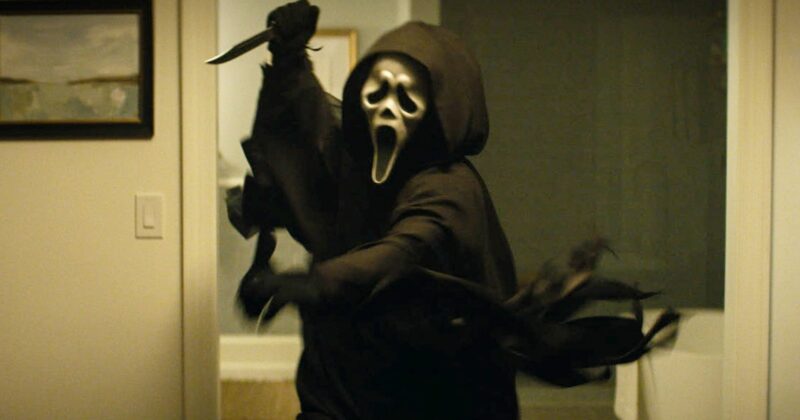
Why Scream 7 Faces Unprecedented Backlash: Breaking Down the Franchise’s Fall from Grace
Scream 7: A Slasher Icon Stumbles
Slasher fans have always counted on the Scream saga to deliver a sharp meta-wit alongside gruesome suspense. The series rewrote horror rules with its self-awareness, redefining what a modern slasher could be. In theory, after years of waiting, the return of Ghostface should have been a triumph.
Banking on Nostalgia—But at What Cost?
Scream 7 leans hard on the franchise’s legacy, echoing greatest hits without forging new memories. From its opening, the movie showers viewers with callbacks: iconic scenes are referenced, old villains get a nod via an AI-driven highlight reel, and characters are all too aware they’re living through another chapter of Scream. Yet, the difference is palpable—these gestures lack the tongue-in-cheek cleverness that once set Scream apart. Nostalgia, which might once have been an enhancement, here feels like an anchor.
Returning Legends, Missing Purpose
The hype was real with the return of Sidney Prescott, portrayed by Neve Campbell. After years in the background, her comeback should have electrified the narrative. Instead, Sidney’s involvement feels forced, with the script straining to weave her into current events. Fan theories about other legacy characters, like Stu Macher, fizzle out with unremarkable reveals. Meanwhile, old favorites Gale Weathers and her interns rarely spark the dynamic energy fans have loved, leaving the ensemble feeling oddly disjointed and underused.
Lackluster Kills in a Series Built on Shock
If anything, Scream films promise inventive, memorable kills. But here, even with a fresh angle on Sidney and her daughter (tellingly named Tatum), the tension never reaches the heights—or horrors—of the past. The scene meant to reinvent the franchise’s most infamous kill involves stage cables; it’s far more forgettable than the mechanical menace of the original’s garage door chaos. The references abound, but the shocks are missing.
Flat New Faces, Shallow Suspects
Scream has always mixed archetypes—making even bit players plausible suspects. That clever misdirection is absent this time. Characters orbiting Sidney, from her boyfriend to her daughter’s circle, are barely outlined. Instead of sharpening the mystery with fresh personalities, the script recycles tired traits. This weak development betrays part of what makes Scream special: its ability to make audiences genuinely care who lives, dies, or might be the mastermind behind the Ghostface mask.
The Weakest Ghostface Reveal Yet
At its core, Scream thrives because audiences are invited to play detective—guessing Ghostface’s identity with every red herring and revelation. In Scream 7, the guessing game loses its edge. The killer’s identity, telegraphed by casting and poor narrative setup, lands with a thud during the obligatory third-act monologue. Devoid of shock or satisfying motivation, the reveal undercuts the slasher spectacle the series is known for.
The State of the Franchise
With a tepid critical reception and a 31% rating on Rotten Tomatoes, Scream 7 marks a low point for the storied saga. While Ghostface once breathed new life into the horror genre, this outing shows how clinging too tightly to the past can sabotage even cinema’s most innovative icons. The movie offers a primer in what not to do when balancing nostalgia with reinvention, leaving fans nostalgic for the days when the Scream franchise was as unpredictable as it was thrilling.