Why Scream 7 Missed Its Chance: Stu Macher’s Resurrection Theory Should’ve Been Real

The Return of a Horror Icon: Ghostface and the Stu Conundrum
The build-up to Scream 7 set the fandom ablaze with the possibility of seeing Matthew Lillard reprise his iconic role as Stu Macher. With so much swirling around the franchise — including major casting shakeups after the exits of Melissa Barrera and Jenna Ortega, and the return of Neve Campbell as Sidney Prescott — all eyes were firmly fixed on how the supposed ‘return’ of Stu would be handled. Instead of a triumphant resurrection, fans found themselves at the center of one of the series’ wildest narrative head-fakes.
FaceTime, Deepfakes, and the Art of the Horror Tease
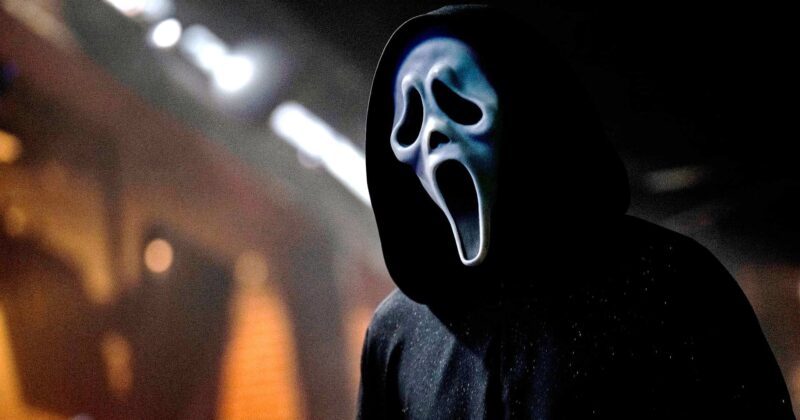
Almost from its opening moments, Scream 7 hints that Stu may have survived the legendary death scene where Sidney smashed his head with a TV. As Sidney receives her first call from Ghostface this time around, viewers are jolted by the sight of a scarred Stu appearing on video — rage-filled, harrowed, and promising revenge. The initial chill of this reveal can’t be overstated: was Stu really back for more bloodletting?
But as the film unspools, doubts emerge. Every sighting of Stu is limited to a FaceTime feed. His behaviors and speech seem oddly ‘off,’ even for one of cinema’s most unhinged slasher villains. And when the final masks are taken off, everything is upended — the ‘Stu’ haunting Sidney is nothing more than an advanced deepfake, crafted by a malevolent orderly from a psychiatric facility, harnessing A.I. expertise to torment the protagonist.
Why Not Go All In? The Franchise’s Reluctance Hurts Its Legacy
In an era when franchises are defined by bold swings — the return of Palpatine in Star Wars, or legacy heroes in Marvel’s multiverse — Scream’s refusal to go full throttle on Stu’s comeback feels timid. Fans have debated for years whether Stu could plausibly have survived his apparent demise, especially given the increasingly outlandish survival rates in broader horror cinema. The stage was set for Matthew Lillard and Neve Campbell to reunite on screen — a fan’s dream scenario that could have pushed the franchise into bold new territory.
Yet, by relegating Lillard to a handful of FaceTime clips, Scream 7 delivered a cameo in spirit only. It draws painful parallels with the much-hyped yet fleeting return of Jeff Goldblum in Jurassic World: Fallen Kingdom, where the actor’s trailer presence far outweighed his on-screen impact. For a series built on meta-commentary and genre subversion, choosing the path of least resistance was a surprisingly safe play.
The Deepfake Twist: A Commentary on A.I. or Just a Cop Out?
The reveal that Stu was just a digital puppet manipulated by an A.I.-savvy orderly hinges on today’s anxieties about deepfakes and identity theft in the digital age. While technically timely, the plot device is less a clever meta-nod and more an excuse to sidestep the franchise’s mythology. Horror has always thrived on the impossible, whether it’s Michael Myers’ endless resurrections or Saw’s labyrinthine flashbacks. Once the idea of Stu’s survival is teased, anything less simply can’t satisfy an audience conditioned for bigger, crazier, meta twists.
Lost Opportunities and What Could Have Been
Imagine an alternative version of Scream 7 where Lillard and Campbell share tense, electric scenes, with Stu’s survival retconned against all logic for the sake of horror excess. Instead, the reality feels more like a contractual cameo — Lillard could well have filmed his lines in under an hour, never meeting his co-stars. For those who grew up loving the original film’s exhilarating unpredictability, the payoff simply didn’t deliver on the hype or on decades-old franchise potential.