Scream 7: How the Franchise Exposed—and Nearly Solved—Its Ghostface Dilemma

The Franchise’s New Chapter and Its Core Challenge
Since the original slasher hit the screen, the Scream saga has thrived by putting its characters at the heart of every murder mystery, always keeping the audience guessing: Who’s behind the Ghostface mask, and what personal vendetta ties them to the story’s survivors? With its latest chapter, the franchise aimed high, bringing back Sidney Prescott as the lead after years navigating reboot territory. For longtime fans, the stakes felt personal again—until the much-anticipated reveal faltered, provoking debate across the horror fandom.
The Ghostface Reveal: Where Scream 7 Missteps
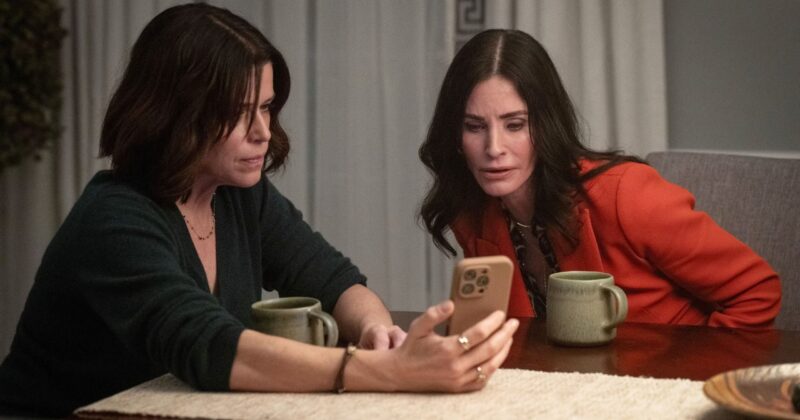
This time, Sidney returns to the center of the storm—alongside her husband Mark and their daughter Tatum—pursued by a new Ghostface killer. Gale Weathers is back in action, and twins Chad and Mindy return, now acting as Gale’s assistants. The ensemble cast drives a familiar but effective formula: when the killings start, everyone gathers to hunt for clues, each suspecting the worst from those closest to them.
Mindy once again steps into her meta-commentary role, reminding viewers and characters alike that Ghostface is more terrifying when they have a direct, emotional tie to the main victims—think the early films, where every slash cut painfully close to Sidney’s own history. Scream 7’s climactic twist, though, delivers killers with only the thinnest motives: Jessica, a neighbor with a grudge over Sidney’s bid for normalcy; Marco, an employee at a mental institution; and Karl, a patient. It’s a reveal that lacks the franchise’s trademark punch, feeling disconnected from the saga’s tradition of deep personal stakes.
Meta-Horror Reflections: Franchise Rules in Play
The entire movie is acutely aware of its own legacy. The story cleverly references prevalent fan theories—most notably, the possibility that Stu Macher survived his presumed demise years ago, manipulating events from the shadows. Scream 7 teases this ghost from the past, capitalizing on years of online speculation. The film’s narrative flirts with the idea, toying with the audience’s expectations and highlighting just how effective tying past and present can be.
In theory, resurrecting Stu would have been controversial but narratively justified—a move that would restore that essential personal link to Sidney and Tatum, and perhaps elevate the new killers into a larger, more sinister conspiracy. Instead, the reveal goes for the unexpected, but leaves behind the emotional gravitas that fans and even Mindy herself point out as central to Scream’s enduring formula.
Breaking the Formula—But At What Cost?
It’s fair to say the movie tries to break new ground, choosing novelty over tradition. The absence of a profound link between the killers and the core survivors is a bold experiment in a franchise known for its rules—and its willingness to break them. For some viewers, this pivot to unpredictability offered a shot of adrenaline; for others, the moment fell flat, missing the intimate terror that made Ghostface iconic in the first place.
By addressing its own formula head-on, Scream 7 reveals the thin line between innovation and expectation in modern horror. The best horror sequels keep us up at night not just with shocks and gore, but by twisting the emotional knife—a tradition this franchise has both celebrated and, this time, daringly subverted.