The Most Explosive Controversies in Batman’s Legacy

The Dark Knight’s Most Disputed Moments
For decades, Batman has stood as a symbol of determination and unwavering resolve in the DC Universe. Equipped more with intellect and moral tenacity than superpowers, he has faced street-level crooks and cosmic entities alike. But beneath the cowl lies a vigilante whose ethical lines aren’t just blurred—they’re continually redrawn, creating ripple effects felt throughout comics, TV, films, and pop culture conversations worldwide.
When Justice and Mercy Collide: Saving the Joker
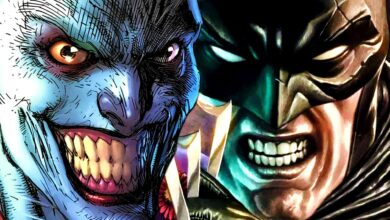
The rivalry between Batman and the Joker is legendary. Yet, nowhere is Batman’s code more severely tested than when he’s forced to save his greatest nemesis from execution for crimes he didn’t commit. In ‘Joker: Devil’s Advocate,’ the Caped Crusader frantically searches for the real murderer, even while Gotham clamors for blood. While Joker’s career is a catalogue of atrocities, Batman remains steadfast—justice cannot be served if the wrong crime leads to execution, regardless of past sins. This principle infuriates both citizens and fans, raising timeless questions about redemption, justice, and the price of moral absolutism.
Bending – and Breaking – the No-Kill Rule: KGBeast in the Sewers
Batman’s no-kill vow underpins his mythos, but rarely has it been so tested as with KGBeast, a ruthless enemy entangled in Cold War politics. In a memorable comic arc, Batman tracks the assassin to Gotham’s underbelly and—believing escape impossible—locks him in a room, leaving him to what appears a slow, inevitable death. This shocking decision left readers stunned. In later stories, DC retconned KGBeast’s fate, but for many, this moment crystallized the fear some have always had: How far will Batman go when the fate of nations—and his reputation—are at stake?
Secrets and Paranoia: Plans to Neutralize His Own Allies
The mantra ‘With enough prep time, Batman can defeat anyone’ owes a debt to stories like ‘JLA: Tower of Babel,’ where the world’s greatest detective develops detailed contingencies to neutralize every member of the Justice League. Ra’s al Ghul’s theft of these plans nearly spells disaster for Earth’s finest heroes. That Batman kept this secret infuriated his teammates and shattered their trust. The narrative exposed the dark side of preparation: obsession, control, and the paranoia embedded in every contingency. It also inspired countless comics, memes, and debates about trust among superheroes and fueled the mythos of a Batman who’s prepared for every betrayal—even his own.
The Era of Surveillance: Brother Eye and Unseen Eyes
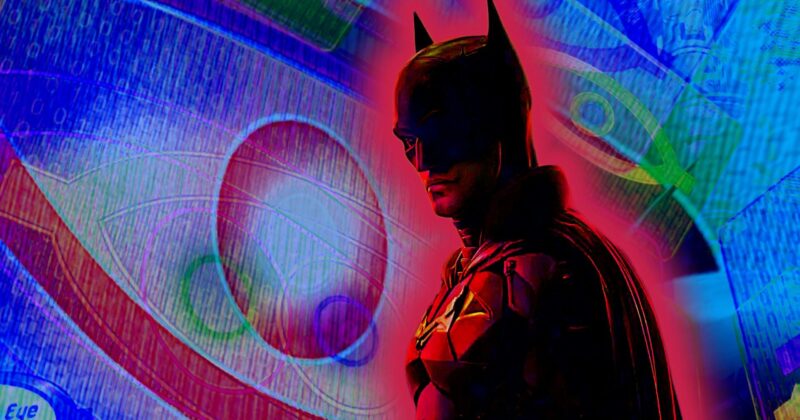
The technological arms race in superhero worlds mirrors our own surveillance anxieties, and Batman’s creation of the AI-powered Brother Eye satellite stands as a monument to his doubts and readiness for all threats, internal and external. Set up to monitor metahumans after a staggeringly personal betrayal, Brother Eye became a weapon for Maxwell Lord and others, resulting in an all-out war between heroes and the O.M.A.C. army. This story arc echoes real-world tech fears, blending Batman’s trademark vigilance with a reckless disregard for consent or trust. It’s a somber lesson in how the quest for security can unleash chaos—delivered through panels and pixels alike.
The Enduring Legacy of Controversy
These headline-grabbing moments have altered not just Batman’s fiction but the greater tapestry of superhero storytelling across media. Each controversy reminds fans that the world’s greatest detective isn’t just fighting villains—he’s battling the limits of his own ideals, and sometimes, those lines are frighteningly easy to cross.