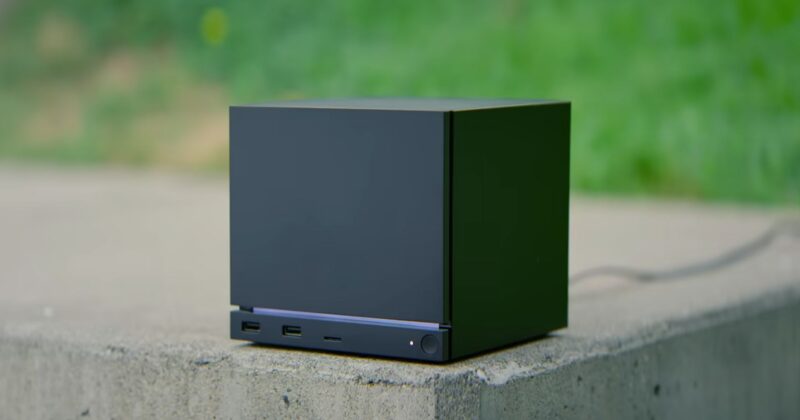
Steam Machine Faces Major Competition as Xbox Prepares to Enter the PC Gaming Arena

Valve’s Steam Machine: A Bold Return to the Living Room
The battle to dominate your living room is heating up like never before. After a rocky first attempt years ago, Valve has re-entered the scene with a new iteration of the Steam Machine, promising the full breadth of PC gaming from the comfort of the couch. This repositioning means that traditional distinctions between consoles and PCs are starting to blur, and for the first time, popular franchises and exclusive mod-driven indies could become staples of casual, big-screen gaming environments worldwide.
A Sudden Shift: Xbox Throws Down the Gauntlet
Just as anticipation for Valve’s hardware reboot peaks, an unexpected twist has arrived. Microsoft Gaming CEO Asha Sharma has revealed that the next-generation Xbox—codenamed Project Helix—will go beyond standard console features and offer support to both Xbox and PC games. This is a paradigm shift, immediately positioning the new Xbox as a direct competitor to the Steam Machine and potentially transforming the force balances of the next console generation.
Steam Machine’s Position: Access to PC Games Is Its Core Strength
One unassailable advantage for Valve is access to the colossal Steam library. PC gaming’s diversity—from blockbuster titles to hidden gems, early access experiments, and user-generated mods—can’t be understated. For console players who have always envied niche PC titles like Disco Elysium or the vast mod scene surrounding Bethesda games, the Steam Machine might be the bridge into a much larger universe. The device’s living room design suggests a vision for casual, controller-driven sessions, but its specs (so far) match contemporary consoles rather than leapfrogging them.
Yet, hardware powerhouse or not, the Steam Machine faces potential pricing turbulence. With suggestions that Valve is uneasy about matching console-level affordability, the looming question is whether enough value can be provided to pull dedicated console fans or entry-level PC gamers into the ecosystem.
Project Helix: Microsoft’s Response Isn’t Just About Power
Microsoft’s Project Helix announcement brings another layer of intrigue. Sharma’s commitment to market-leading performance hints at specs that could outpace the Steam Machine—potentially at a better price point. Microsoft’s deep pockets allow the company to sell hardware at a loss, a classic move in the console market, betting on long-term profits through game sales, Xbox Game Pass subscribers, and ecosystem lock-in. If Microsoft enables native Steam access, Project Helix may render dedicated PC gaming boxes irrelevant for all but the most hardcore enthusiasts.
The value proposition here isn’t just power or price, but ecosystem. Xbox Live, Game Pass, and potential access to the Windows Store could create a one-box-to-rule-them-all scenario, massively simplifying the choice for families and hobbyists looking to avoid high-end PC tinkering.
Tactical Timing: Steam Machine Might Get the First Move
For now, Valve is playing the timing card. With the Steam Machine expected to launch before Project Helix, early adopters—those eager to see PC games work seamlessly in the living room—could jump on Valve’s bandwagon first. Capturing this audience could be crucial, especially if a solid initial library and smooth controller-based UI are ready out of the box.
Meanwhile, Microsoft’s console is still in the shadows, with no confirmed release window. PlayStation, as always, keeps its next steps close to the chest, but rumors of native PC compatibility or innovative hardware aren’t dying down anytime soon. The next generation might not be about platform loyalty, but about flexibility, value, and the breadth of experiences players have at their fingertips.
What’s Next for Living Room Gaming?
As the console and PC markets converge, the coming year will showcase an entirely different strategic battle. Players will weigh up exclusive ecosystems, backward compatibility, hardware value, and the sheer range of playable titles. The unique point for PC fans is simple: the lines between console and computer are about to dissolve, unleashing the broadest, most dynamic era of living room gaming ever seen.