Brandon Sanderson Worlds Ready for Epic Video Game Adaptations

Brandon Sanderson’s Universes: Prime Material for Video Game Transformations
Brandon Sanderson’s storytelling is synonymous with sprawling universes, intricate magic systems, and unforgettable characters. Though his books have soared to the top of bestseller lists and captivated fantasy fans worldwide, these richly woven settings are still largely untapped in the world of AAA video games. But what if developers took the plunge? Let’s dive into five Sanderson masterpieces with the most video game potential and how each could come alive with unique gameplay experiences.
Mistborn: Allomantic Action in a Stealth FPS
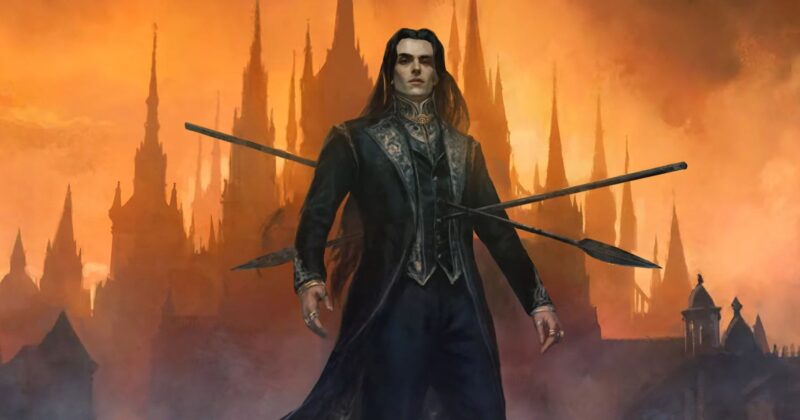
Mistborn is already a fan favorite for adaptation, backed by its success in tabletop deckbuilding and RPG circles. The magic of this universe lies with Allomancy—metal-fueled abilities perfect for translating into dynamic game mechanics. Imagine leaping across rooftops, burning steel to propel yourself or manipulating emotions through zinc and brass, all in a visually striking world reminiscent of the city of Luthadel.
The ideal video game adaptation would blend the vertical mobility of Dishonored with the tight action of a first-person stealth title. Players could assume the mantle of a rebelling crew leader like Kelsier or the lawman Wax Ladrian, customizing playstyle through dozens of Allomantic combos. The sheer flexibility of setting—the different eras Sanderson’s created—would let developers shape their own vision while staying true to the lore. From dark, mist-filled nights to explosive coinshot chases, each mission would feel like a cinematic heist in a world where every metal burned opens a new tactical possibility.
Oathbringer: Real-Time Strategy Across Fantasy Frontlines
The Stormlight Archive is Sanderson’s grandest canvas, and Oathbringer would provide the backbone for a groundbreaking real-time strategy game. Shifting battlefields—from the labyrinthine Shattered Plains to the imposing warcamps of Alethkar—would give players a vast tapestry on which to wage epic conflicts. Picture massive armies clashing while highstorms rage overhead, with unique units representing the Alethi, Parshendi, and other factions. Shardplate and Surgebinding powers could act as game-changing abilities, opening up deep strategic choices and replay value.
Driven by the cast’s complex personalities, a campaign could harness character-driven storylines, letting fans step into the shoes of legends like Dalinar or Shallan. The visual spectacle of Radiants summoning weapons mid-battle and warcamps teeming with life would push the genre into new territory, rivaling the grandest entries in fantasy RTS history.
Infinity Blade: Rebirth as an Open-World RPG
Though Infinity Blade began as a touch-based action series on mobile, the world holds massive potential for a full-scale RPG. Sanderson’s novellas, Awakening and Redemption, added depth to a universe marked by immortal rulers, cursed swords, and cryptic bloodlines. Translating this to a console or PC open-world game would allow for rich lore exploration, dungeon-crawling, and epic boss encounters where every death echoes through a cycle of vengeance and rebirth.
With Epic Games at the helm and Sanderson guiding narrative expansion, the result could rival top fantasy titles—think George R. R. Martin’s imprint on Elden Ring. The world’s cyclical structure naturally supports roguelike elements, while skill-based duels could give players the same satisfaction as the original’s fingertip swordplay, this time with controller in hand.
Tress of the Emerald Sea: Whimsical Adventure in a Comedy RPG
If you’re craving something lighter, Tress of the Emerald Sea brings a pirate-fueled romantic adventure bursting with charm and humor. Likened to The Princess Bride, this novel’s tone fits perfectly in a narrative-driven adventure, blending witty fourth-wall-breaking dialogue with charming environmental puzzles. Step into Tress’s shoes as she braves treacherous spores and magical seas in her quest to rescue her love—a format tailor-made for an interactive comedy RPG with strong narrative choices.
Vivid island settings and a motley pirate cast would offer a feast for both the eyes and the funny bone, while branching quests and clever narration could turn every playthrough into a unique story. There’s a high bar for memorable voice acting and character animation here, echoing the delight of titles like Sea of Thieves but with Sanderson’s singular narrative wit guiding the adventure.
Shadows for Silence in the Forests of Hell: Survival Horror Redefined
Among Sanderson’s more underrated gems, Shadows for Silence in the Forests of Hell cries out for adaptation as a tense, atmospheric survival game. Navigating haunted forests as the formidable bounty hunter Silence Montane, players would contend with supernatural threats while uncovering her deeply personal backstory through dynamic flashbacks. The setting—full of spectral horrors and deadly mysteries—would leverage the sensibilities of both horror and tactical games, making resource management and stealth essential to survival.
What sets this apart is Silence herself; her depth of character and moral complexity would anchor a game with meaningful decision-making, much like The Last of Us. With the right studio at the helm, this could be a cult classic—breathing new life into a world that most fans have only glimpsed on the page.