Inside ‘Heel’: How Stephen Graham, Andrea Riseborough & Anson Boon Turned Claustrophobic Drama into Raw Emotional Power

The Intense Heart of ‘Heel’: Horror and Humanity Collide
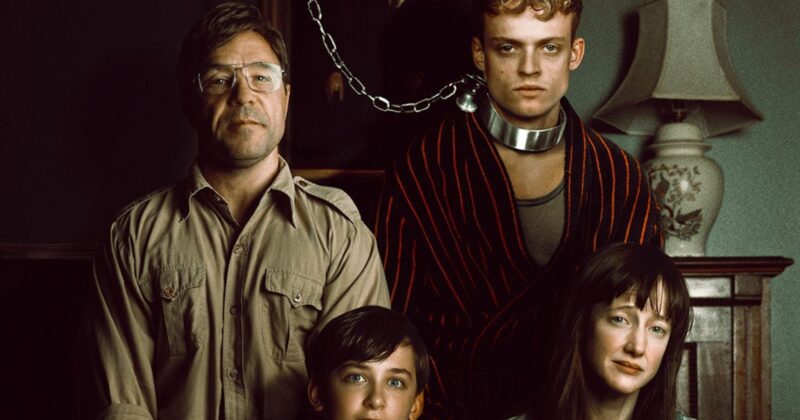
‘Heel’ is not your standard thriller. Helmed by acclaimed director Jan Komasa, the film centers on a fractured family who take in a troubled young man, subjecting him to a controversial and deeply dehumanizing ‘rehabilitation’ program. What could have settled as a disturbing horror narrative instead mutates into something far more ambitious: a deep dive into raw connections, grief, and the unpredictable tides of the human soul.
Stephen Graham and Andrea Riseborough: Drawn By Vision, Not Just the Script
Andrea Riseborough revealed that her first interest in ‘Heel’ was sparked by Stephen Graham’s enthusiasm for the project. ‘Stephen loved it, so I knew it was going to be brilliant,’ she shared, underlining the passion that fuels such demanding roles. Crucially, the casting was more than a professional match; it was about trust, artistic alignment, and the rare script that actors don’t want to let go of.
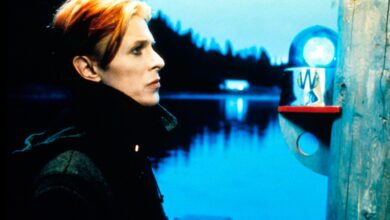
For Graham, it wasn’t even the script that sold him, but rather Komasa’s cinematic vision. After viewing ‘Corpus Christi,’ Graham knew immediately: ‘I want to be part of this.’ That level of conviction is rare, even in an industry driven by passion projects. He dove into his role—Chris, a character both unfamiliar and extremely challenging—embracing uncertainty and vulnerability as creative fuel. Graham referenced David Bowie’s philosophy about pursuing art beyond one’s comfort zone, where real emotional freedom is discovered. This ethos pulses at every frame of ‘Heel.’
The Morality Maze: Anson Boon’s Complicated Tommy
Anson Boon’s portrayal of Tommy, the young man held captive by the family, provides the essential moral ambiguity that propels the film. On paper, Tommy should be an immediate vessel for viewer sympathy. In Boon’s hands, however, Tommy is brilliantly unlikable, embodying the film’s refusal to offer simplistic heroes or villains. Boon described the experience as ‘a grim fairy tale,’ noting that shooting most of his scenes chained in a basement ironically gave his character—and the overall narrative—a strange, whimsical edge when seen onscreen.
‘There are no real binaries here,’ Boon explained. ‘You find yourself rooting for terrible people doing good things and vice versa.’ For fans of psychological thrillers that actively subvert expectation, ‘Heel’ rewards close attention to each character’s hidden motivations and flawed humanity.
On-Set Alchemy: Building a Family in Isolation
Off screen, the cast’s chemistry was more than method acting. Graham, Riseborough, and Boon became something like a makeshift family, with shared rituals before each demanding scene. Riseborough noted the remarkable solidarity among the group, describing the daily process of aligning their creative energies as a unique form of emotional preparation. This sort of artistic bonding is unusual amid the relentless pace of film production and lends authenticity to the onscreen relationships.
Graham was quick to applaud the efforts of Boon and other cast members, including Monika Frajczyk and Kit Rakusen, all contributing distinct and powerful performances. He recounted moments on set, watching Riseborough glide through her performance, getting lost in her portrayal until jolted by the realization that he was meant to be in the scene as well.
‘Heel’ in Context: A New Benchmark for Psychological Thrillers
Jan Komasa’s direction ensures that what could have been just another dark indie film becomes a conversation piece in the psychological thriller genre. The movie pulls viewers into its claustrophobic spaces and forces them to confront uncomfortable questions about morality, grief, and the struggle to connect. With actors pushing themselves to unfamiliar extremes, ‘Heel’ achieves not only a riveting narrative but also an authentic exploration of what it means to find hope and family in the darkest circumstances.
For fans of elevated genre cinema—whether you’re drawn to psychological horror, emotional drama, or layered indie storytelling—‘Heel’ stands out as a compelling must-watch, powered by three bravura performances and a director committed to artistic risk.