‘Vladimir’: Netflix’s Daring Erotic Thriller Redefines the Unreliable Narrator

A Bold Dive into Unreliable Narration: Netflix’s ‘Vladimir’
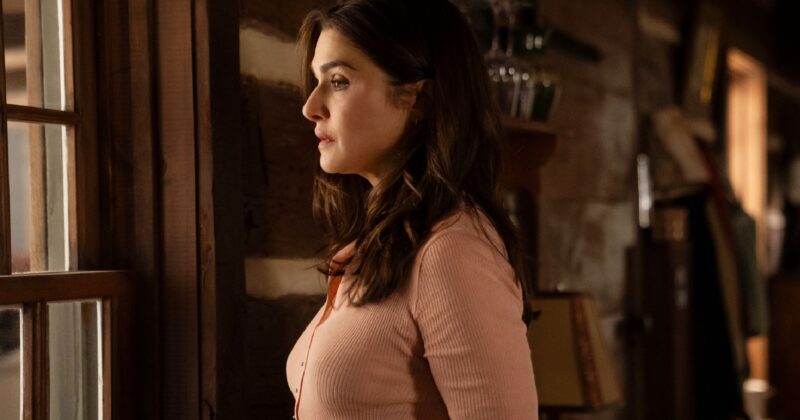
Netflix continues reshaping the miniseries landscape with ‘Vladimir’, a sultry and cerebral thriller that centers on one of the most captivating unreliable narrators the streaming world has seen. Based on Julia May Jonas’s provocative novel, the show introduces viewers to M, a middle-aged professor who walks the fine line between hilarity and emotional disaster. Her husband is the target of a campus investigation—himself a fixture in academia for all the wrong reasons. As she navigates the fallout, her fixation with a younger, charismatic professor named Vladimir Vladinsky grows from idle curiosity into full-blown obsession, pulling viewers into a psychological labyrinth.
The Art of Unreliable Narration on Screen
Few narrative devices ignite the imagination quite like the unreliable narrator. ‘Vladimir’ exploits this tool deliciously from its opening moments: M waxes poetic about her supposedly beloved salad recipe at a faculty lunch, yet a quick pan from the camera reveals the messy truth—no one’s even touched it. Instantly, the series signals to audiences: trust nothing, question everything. In the tradition of shows like Fleabag or even classics like The Sopranos, M regularly breaks the fourth wall to deliver scathing asides or revealing, self-sabotaging wit. Comparisons might also be drawn to superior character-driven comedies like ‘Barry’ or the revisionist perspectives of ‘The Affair’, yet ‘Vladimir’ stands on its own thanks to the reckless brilliance of its protagonist.
An Antiheroine for the Streaming Age
M, the protagonist, is a beautifully messy contradiction—equal parts sharp, passionate, petty, and deeply flawed. She alternates between self-pity, venomous criticism of others (notably her husband’s accusers and her own students), and moments of genuine vulnerability. She’s both an attack dog for outdated social mores and a hurricane of impulsivity when drawn to Vladimir. Her internal logic is questionable at best. The series delights in her unreliable nature, letting viewers love and hate her in equal measure. It’s a masterclass in complex characterization, inviting viewers to react, debate, and sometimes even recoil at her decisions.
- Expect to be surprised: M’s perspective oscillates between plausible sincerity and outright farce.
- Distinctly modern: the protagonist’s delusions and outdated justifications serve as both satire and social commentary.
- Relatable imperfection: M embodies the internet’s rallying cry of ‘supporting women’s rights—and wrongs’ in one dynamic, frustrating package.
Epic Ambiguity & Multiple Truths
The brilliance of ‘Vladimir’ lies in its refusal to supply easy truths. The ambiguous weaving of perception and reality ensures no two viewers experience the series identically. Sometimes, for a fleeting moment, M’s account seems believable—only for the narrative to flip on itself the next instant. Is she the victim, the enabler, an antihero, or something even less definable? These blurred lines spark endless conversation, fueling discussion threads and theory crafting long after the credits roll.
This structure capitalizes on a growing appetite for media that challenges perceptions: recent hits like The White Lotus and classics like Mr. Robot revel in conflicting narratives and unreliable narrators, but ‘Vladimir’ drives the device further by centering a female antihero whose personal chaos is both alluring and infuriating to watch. Viewers will likely align with different interpretations of M’s arc—some convinced of her victimhood, others certain she’s living in dangerous delusion.
Technical & Artistic Flourishes
Beneath the witty dialogue and dramatic tension lies a series meticulously crafted to reflect its protagonist’s psyche. Cinematography is used to visually reinforce the fog of truth and fiction—scenes often linger on details that contradict M’s narration, and the soundtrack subtly underlines her perspective’s instability. The casting is another highlight, with powerhouse performances from Rachel Weisz and Kayli Carter grounding the tumultuous atmosphere in raw emotion and humor.
For fans of psychological thrillers, unreliable narrators, or complex women in lead roles, ‘Vladimir’ is an unmissable event. The miniseries format serves the story well, allowing for tight pacing and layered, evolving mysteries. Rather than resolving every question, it thrives in the space between clarity and confusion, giving audiences permission to revel in the fun of not knowing what’s real.